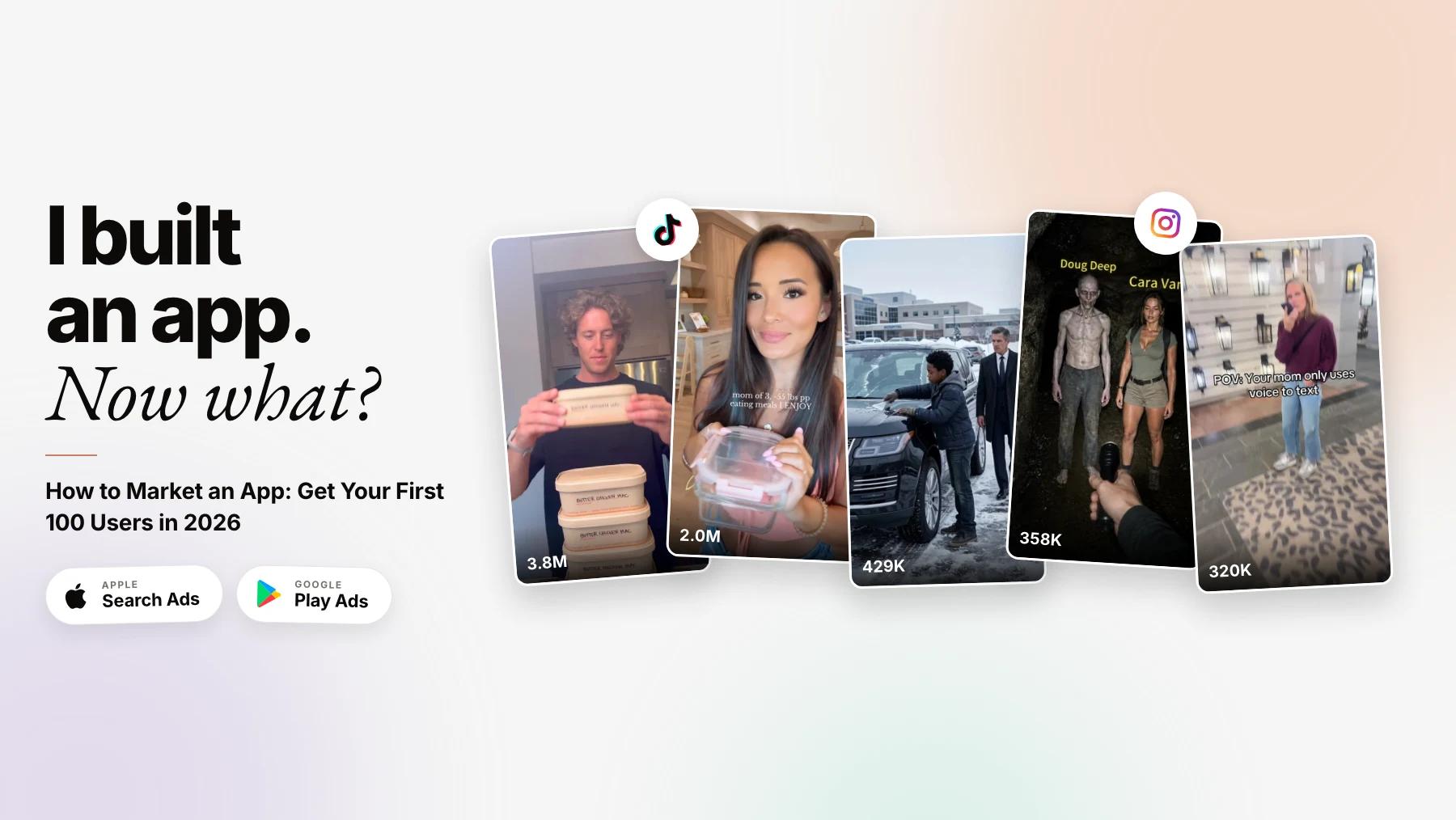
How to Analyze a TikTok Video: A Teardown Framework
A practical framework for recording video sources, hooks, pacing, outcomes, and testable hypotheses.

A useful video teardown separates what you can see from what you can only infer. This is a practical analysis framework, not a study of five measured viral videos. We have not published a five-video dataset supporting the previous title.
Record the source before analyzing it
Save the original video URL, creator, publication date, observation timestamp and timezone, duration, and visible view count. Keep a screenshot of the metrics. Public counts change; they are not retention data or evidence of sales. Define your sample before selecting winners, and include ordinary and underperforming posts from the same period.
Describe the opening precisely
Record the opening shot and spoken or on-screen hook with timestamps. Separate description (a product appears before the explanation) from hypothesis (this may create curiosity). Watch the full clip before deciding whether its opening promise is fulfilled.
Map the sequence
Use a timestamped shot list: setup, new information, transitions, payoff, and ending. If you own the account, compare these points with its retention graph. Without that graph, an apparent attention reset is your interpretation, not measured retention.
Propose a reason to share
Name a possible motivation, such as practical usefulness or recognition. Then look for evidence in comments or account analytics. A high view count alone cannot tell you whether shares caused distribution, and public metrics do not reveal how viewers shared a clip.
Test one change
Choose one editable element, such as showing the result earlier. Keep the product, audience, format, and reporting window comparable. Record failures as well as winners. Repeated improvement can support a local creative decision; it cannot establish a universal algorithm rule.
A reusable teardown record
| Field | What to record |
|---|---|
| Source | Original URL, creator, publication date, rights or permission |
| Observation | Timestamp, timezone, screenshot, metric definitions |
| Creative | Exact hook, duration, timestamped sequence, format |
| Outcome | Views at the same age, retention and follows if available |
| Interpretation | Hypothesis, alternative explanations, next test |
| Business result | Attributed signups or purchases, or explicitly unmeasured |
For a first-party example with stated limitations, read our Instagram experiment. To develop a research brief for your own product, start with AdAnt.
Product guidance maintained by AdAnt. Platform documentation, first-party observations, and untested recommendations are labeled separately. Contact AdAnt for corrections.