


Food-scanner demand is creator-made, and no brand owns it yet.
- 1
The audience is creator-led: label-reading and UPF content clears seven figures (16.8M plays on one TikTok, 7.1M on one Short) while scanner brands post to hundreds.
- 2
UGC scan-demo appears in active ads: Munchee took 1.3M likes on one demo, Fig's top video is a user demo, and Trash Panda runs the same format as ads, 150+ days live.
- 3
Yuka owns trust (80M users, zero ads) but not social: 177 TikTok followers, sub-1K Shorts, and other brands pay to cite its score.
Enter through creator-voiced content: scan-demo UGC, label-shock swaps, grocery-aisle POV. The habit exists at scale and no scanner brand owns the conversation.
Category-defining scanner, 100% independent, zero ads, ~25K new US users a day. Its score is the niche's trust currency, other brands cite "Rated on Yuka" in their own creatives. Yet its owned social is dormant: 177 TikTok followers, sub-1K-view Shorts.
Trash Panda runs 14 active Meta ads (creatives alive 100–154 days) plus a 23K-follower Instagram. Fig pairs the biggest competitor TikTok (31K followers, 1.1M-play top video) with whitelisted-creator UGC ads for its dietary-restriction niche.
New scanner apps growing on TikTok purely with UGC-style demos, Munchee took 1.3M likes on a single video. These public engagement counts suggest formats to test; they do not measure signups, purchases, or conversion rates.
Scanner apps grow on TikTok with UGC, not brand polish.
The brand side as it stands: Munchee's UGC demo at 1.3M likes, Fig at 102K, PureScan at 50K, and Yuka's own account at 151 likes. UGC-style demos win, brand polish doesn't.
Label-reading is a daily content genre.
POV swaps, additive exposés and grocery lists clear six to seven figures. This audience watches label content daily.
Reels presence is thin, occasional and low-engagement.
Search-discovered winners lead: Exposr's expose-style reel at 195K likes and an Olive partner-UGC reel at 45K. The official accounts, Yuka's challenges (634, 284 likes) and Trash Panda's demos, trail far behind.
Grocery-scanning authority compounds on Reels.
Bobby Parrish (3.76M followers) built the 'Bobby Approved' grocery-verdict franchise, 78K–138K views per Reel, then shipped his own scanner app.
Competitors buy the UGC look, and Yuka's score powers everyone's ads.
Longevity signals performance: Trash Panda 100–154 days, Fig ships creator UGC ads. Meanwhile non-competitors pay to say 'Rated 90/100 on Yuka', the trust Yuka gives away, others buy.
Competitor Shorts post to hundreds of views.
The top scanner-brand Shorts, shown as found: Yuka and Fig peak under 2.5K views, EWG near 1K. No brand has cracked Shorts while creator explainers pull millions.
Health educators own the demand on Shorts.
UPF explainers pull millions (7.1M, 5.4M, 1.5M) and app-review Shorts, including Yuka reviews, sustain six figures.
Four formats the niche rewards.
Phone in hand, scan, instant score reveal, the format behind Munchee's 1.3M likes and every Trash Panda ad.
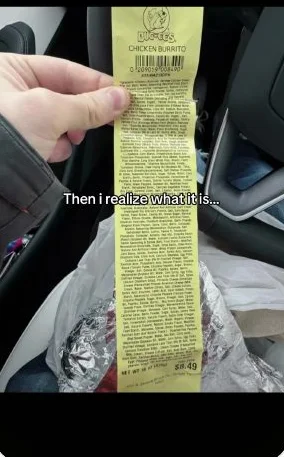
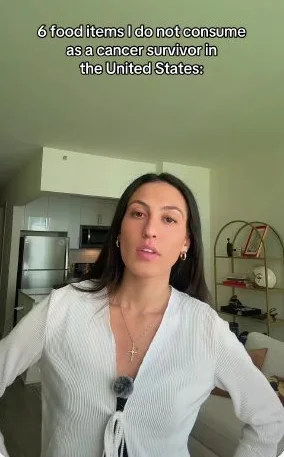
'Read the label, make the swap', 16.8M plays. Yuzli's 0–100 score and swap feature are this format productized.
Doctors and scientists decoding additives, Doctor Mike at 1.5M. Borrowed authority a science-backed app can claim.
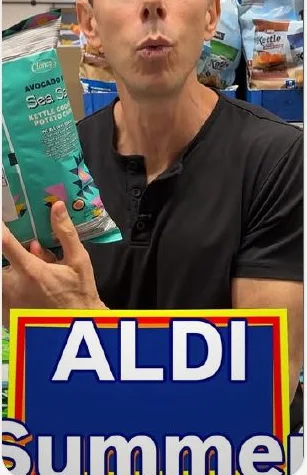
Store-walk hauls and verdicts, Bobby Parrish's 3.76M-follower franchise. The natural home for 'scanned with Yuzli' moments.
Awareness went mainstream, the content layer is still unclaimed.
Ultra-processed-food awareness went mainstream and 'what's in my food' is an everyday creator genre. Yuka proved the demand with 80M users and zero ad spend, but the content layer that feeds it is still creator-owned, not brand-owned.
plays on a single label-reading TikTok (@avaschumm), the organic demand a scanner app can capture