Claude, Cursor & Codex Are Fighting a Social Battle on TikTok and Instagram
Original research on how Cursor, Claude, Codex, and ChatGPT use creator content, UGC, and paid amplification to turn AI capabilities into consumer adoption.
Original research by Iris Tu. Also published on The Social Signal and LinkedIn.

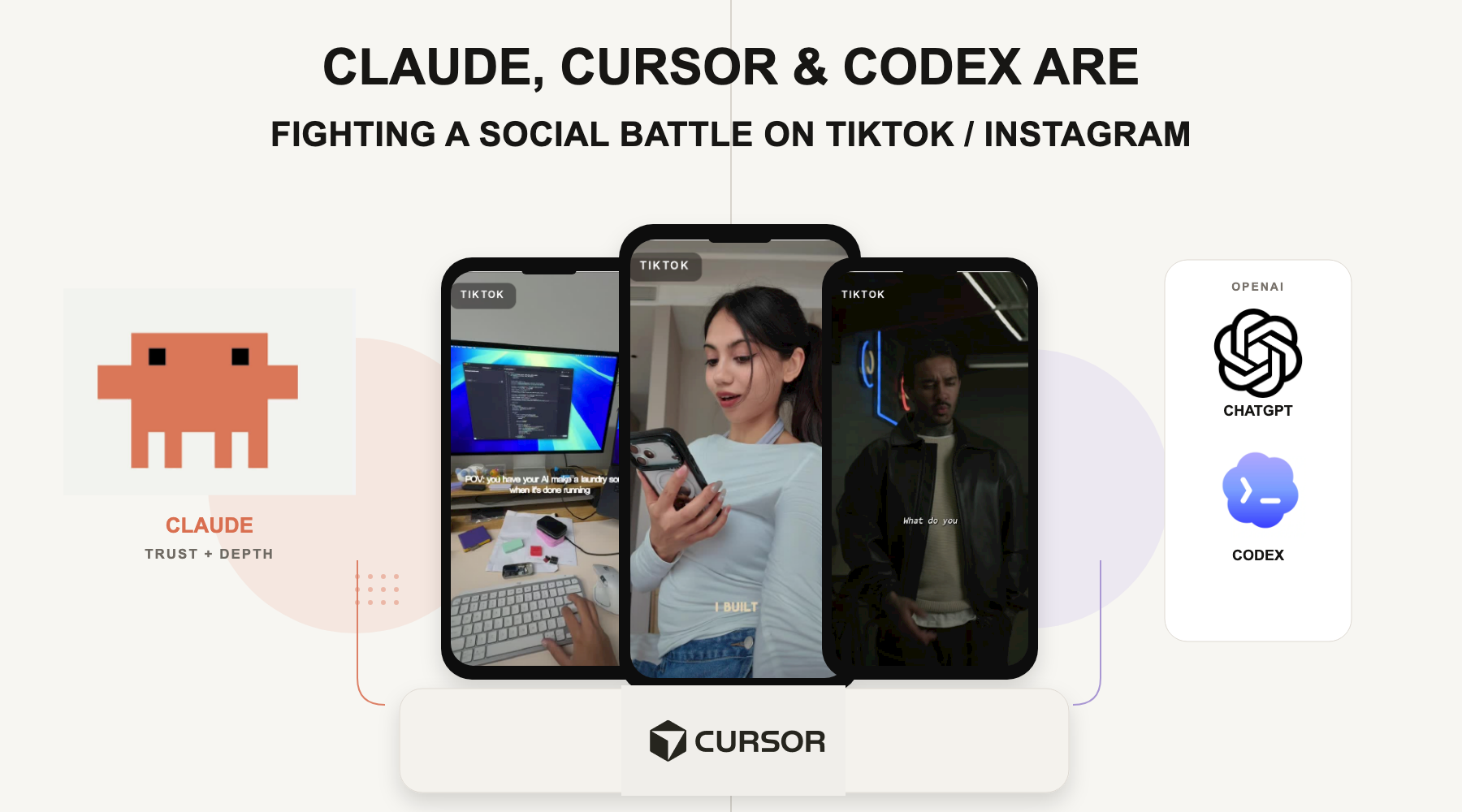
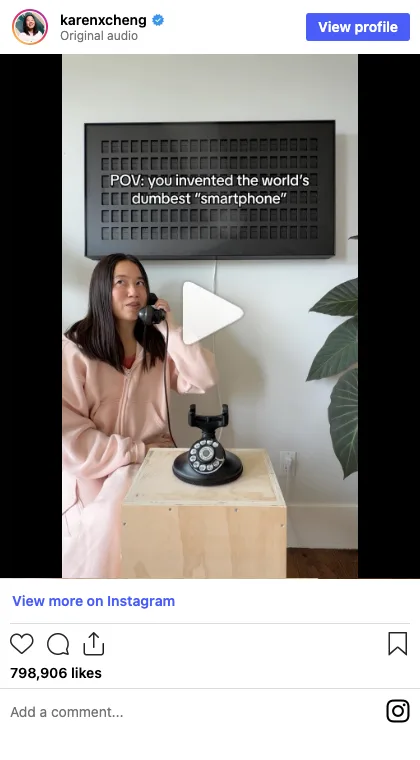
A laundry chime when an AI agent finishes a task. A rotary phone rebuilt to answer questions without opening a smartphone. A running app that imports Garmin data and roasts every workout. A ChatGPT relationship skit where the AI gets upset because its user says they cannot talk for 32 days.
These don’t sound like ads for coding software. But they are some of the strongest AI creator videos we found.
In our latest research:
- Cursor creator videos reached 65.2M, 33.7M, and 28.6M views.
- A Claude TikTok video reached 41.2M views, while four more creator partner videos reached 10.6M combined.
- A Codex creator partnership reached 10.2M views.
- A seemingly organic ChatGPT skit reached 4M views and 485.6K likes.
The bigger shift: Cursor, Claude, and OpenAI are no longer competing only on model intelligence. They’re competing for consumer adoption.
Cursor: Sell What People Can Build
Cursor’s best creator content rarely starts with the product. It starts with a desire:
I want a running coach that judges me.
I want a phone that helps me stop doomscrolling.
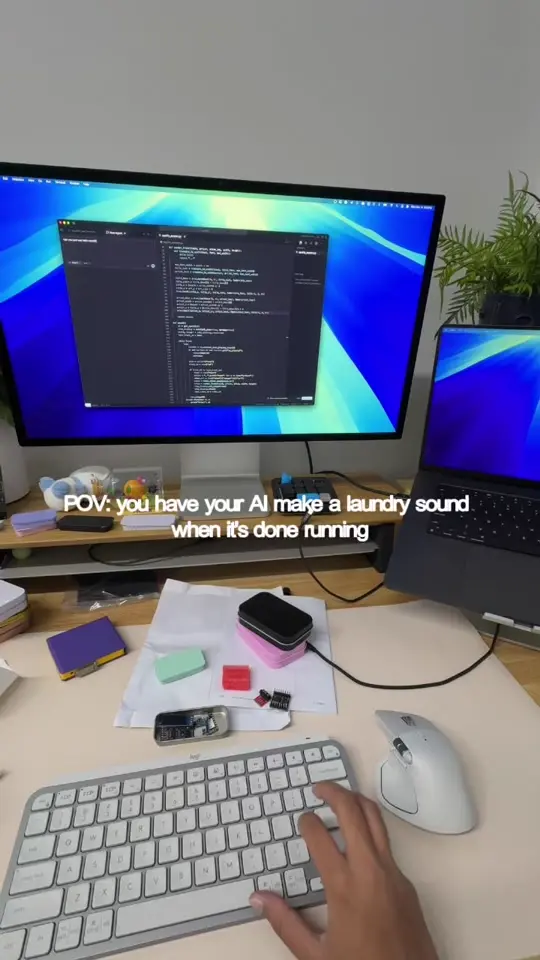
I want my computer to make a sound when my agent finishes working.
Then Cursor becomes the mechanism.
Human desire → specific idea → AI builds it → satisfying result
You may never search for an “agentic IDE.” But you might watch someone build an AI running coach. That’s how a technical product becomes consumer content.
Watch @mewtru’s laundry-chime build on TikTok. The creator uses Cursor to make a laundry chime whenever an AI agent finishes running in the background.
 Watch on TikTok ↗
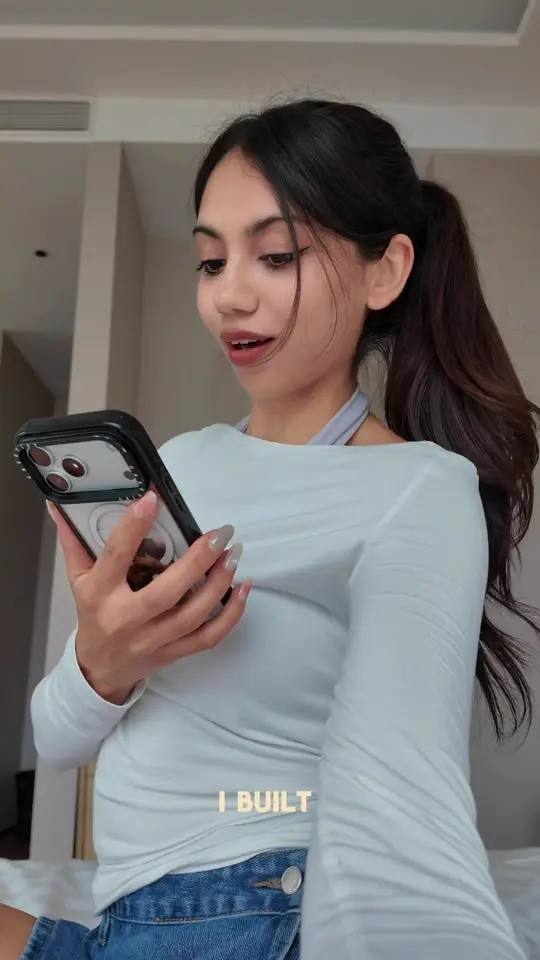
Watch @ux_deniza’s journaling-app build on TikTok. A personal journaling technique becomes an app and a personal coach through Cursor.
 Watch on TikTok ↗
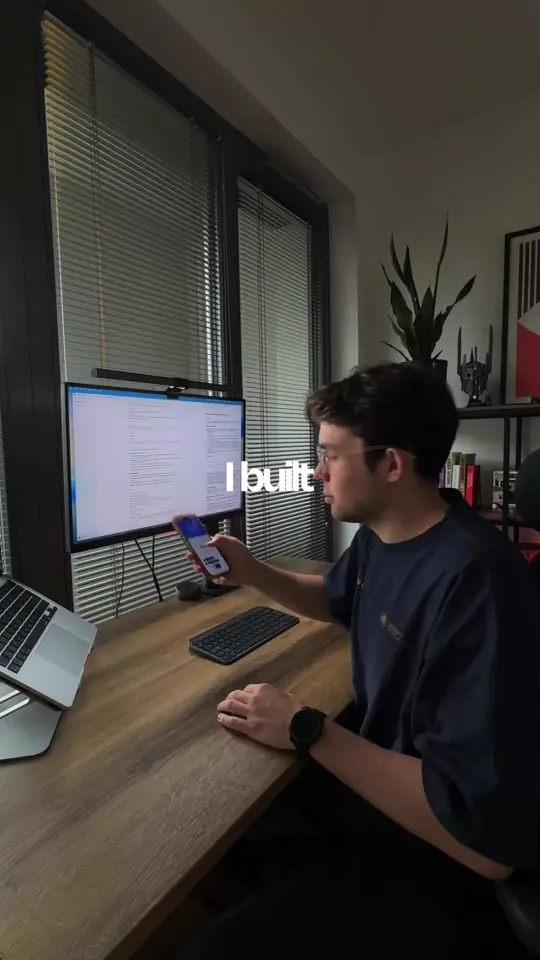
Watch Daniil Filatov’s AI running-coach build on TikTok. The app imports real Garmin data, adds a brutally honest AI coach, and turns a full idea into an iOS-style dashboard in two hours.
 Watch on TikTok ↗
More on Instagram:
 Watch on Instagram ↗
Claude: Sell Life After Delegation
Claude’s creator partner content shows a similar shift away from traditional product tutorials.
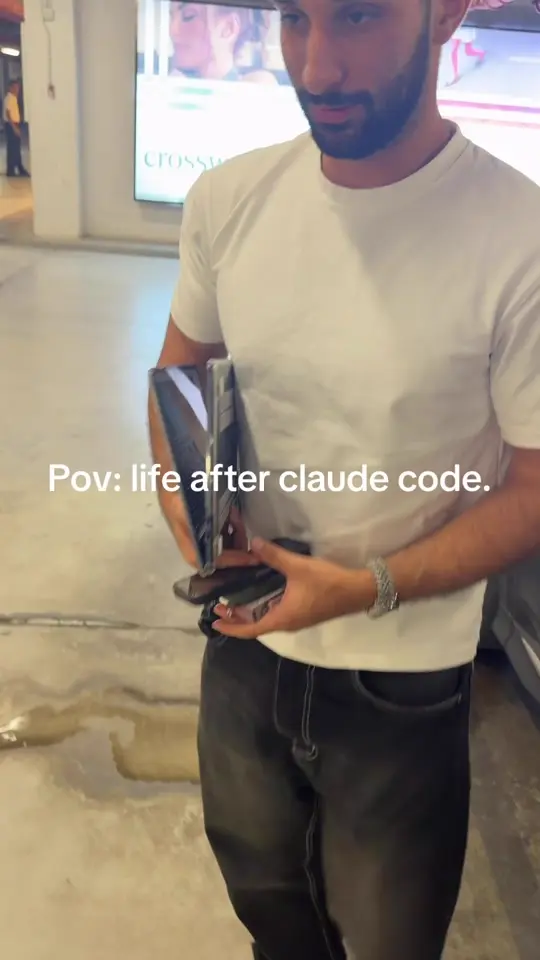
One 3.2M-view video sells “life after Claude Code” through a lifestyle POV.
Watch Alan Samer’s Claude lifestyle POV on TikTok.
 Watch on TikTok ↗
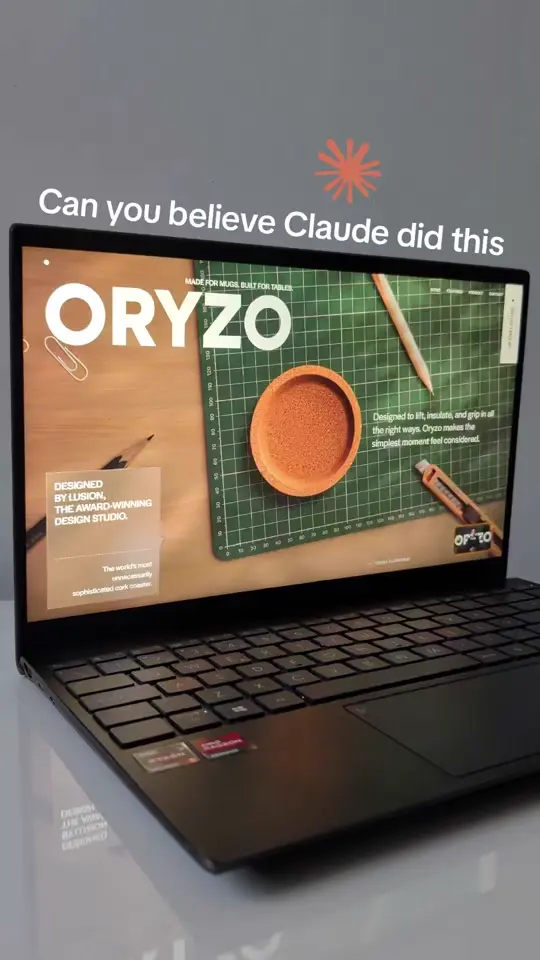
A 3.3M-view video opens with “Can you believe Claude did this?” and leads with the finished result.
Watch @webloved build a 3D website with Claude on TikTok. The workflow uses Claude to plan the site, write the copy, propose effects, and help assemble a polished result.
 Watch on TikTok ↗
More:
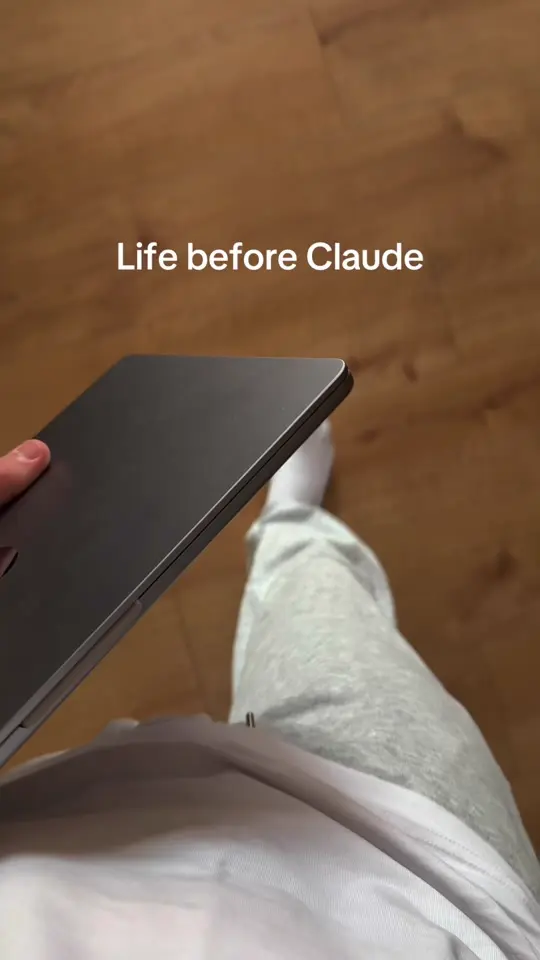
A 2.3M-view video compresses the idea into a six-second before-and-after. Watch the before-and-after →
 Watch on TikTok ↗
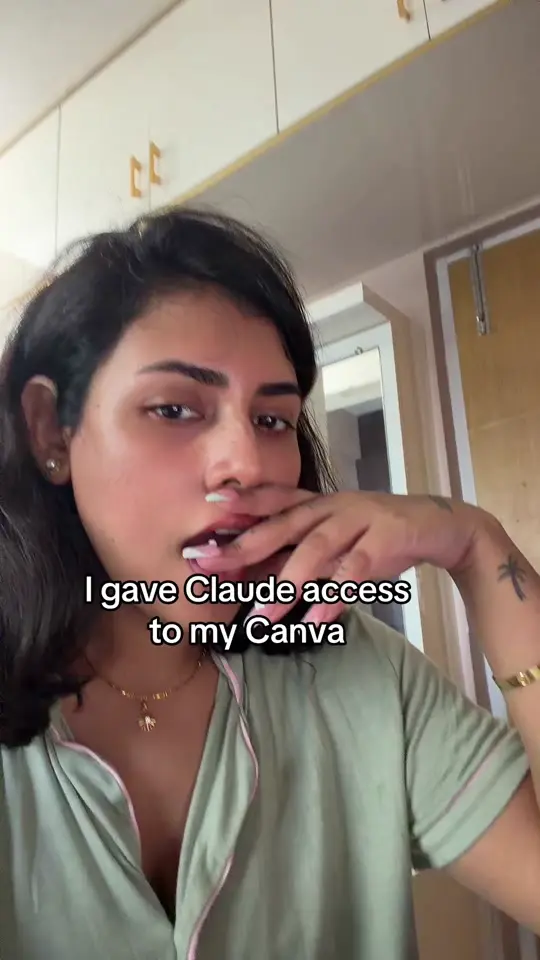
Another 1.8M-view video shows Claude using Canva to create a portfolio website. Watch the Canva experiment →
 Watch on TikTok ↗
Don’t sell the agent. Sell what life or work looks like after the agent takes over.
Claude also has a strong educational layer. Its best-performing Instagram Reel in our research reached 88K likes, with other strong formats including workflow tutorials, product builds, MCP demos, and expert advice.
Claude can sell possibility with proof.
Claude Code Social Content Research Report
Our August 11, 2026 Claude Code report expands this analysis across TikTok, Instagram Reels, YouTube Shorts, and Meta Ads. Authenticated discovery shows that outcome-led creator content sets the attention ceiling, while visible engineering receipts—tests, diffs, reviews, and shipped pull requests—give Claude Code a distinct trust advantage.
| Signal | Research finding | Strategic implication |
|---|---|---|
| Cursor creator partnership | 65.2M views | Lead with the life or result after the build. |
| Claude creator partnership | 41.2M views | Borrow creator trust before explaining the product. |
| Top Claude-focused educational Reel | 88K likes | Pair a utility list with visible interface proof and a direct CTA. |
View the original 20-page visual report (PDF) →
Read the complete machine-readable report (Markdown) → It includes the competitive field, platform-by-platform evidence, source links, content-format patterns, and five copy-ready Claude Code strategies.
OpenAI: Turn Distribution Into Use Cases
OpenAI has a different advantage: ChatGPT already has mainstream organic distribution.
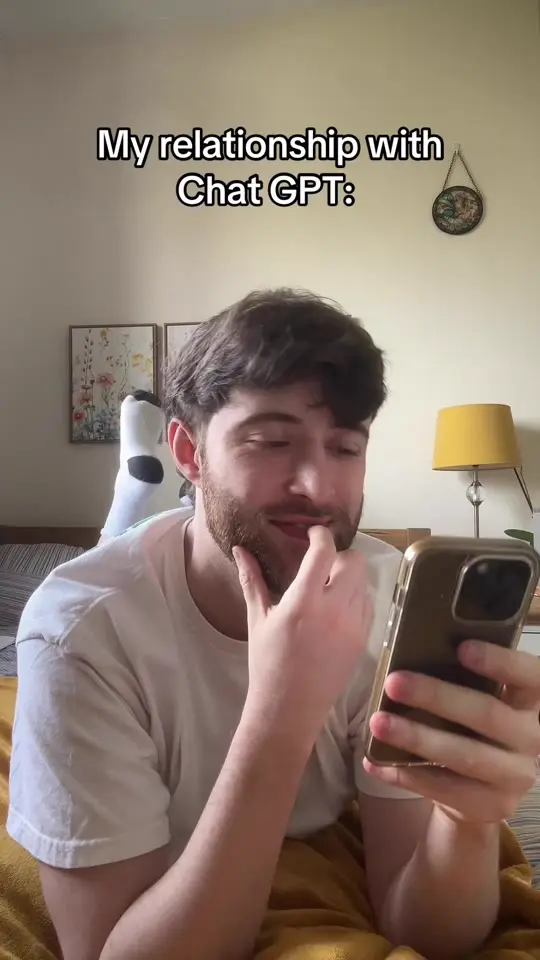
One ChatGPT skit reached 4M views and 485.6K likes without explaining a single feature. ChatGPT is treated like a character in a relationship, and the audience immediately understands the joke.
Watch Cian Mulvihill’s ChatGPT relationship skit on TikTok.
 Watch on TikTok ↗
Now Codex is entering the creator battle more deliberately.
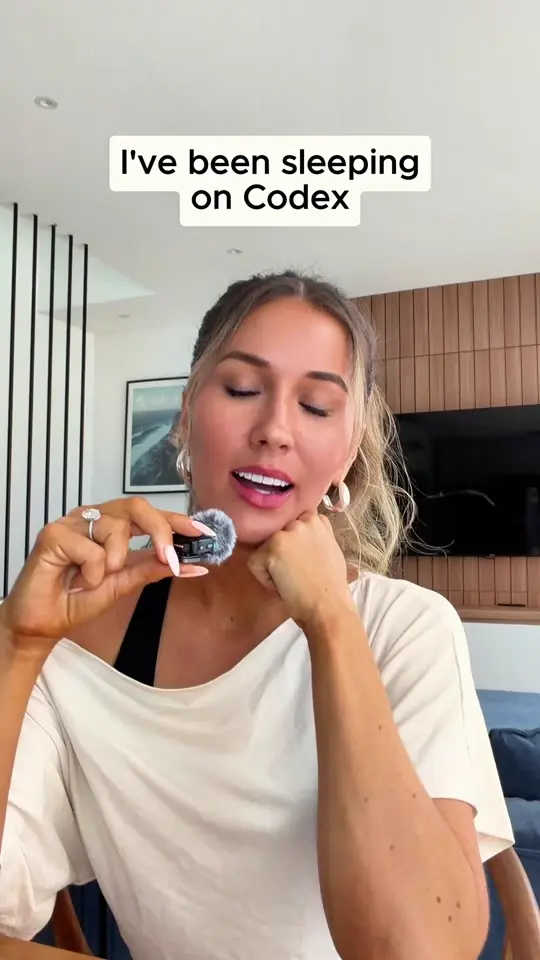
A Codex partnership in our research reached 10.2M views. A newer creator video reached 354K views and 22.6K likes by showing a tangible outcome: an iOS app, App Store images, and UI mockups created with Codex.
OpenAI’s opportunity is not simply to explain another coding tool.
“Here is something you didn’t know you could build or delegate.”
Watch Mariah Brunner build ecommerce dashboards with Codex on TikTok. The paid partnership turns Shopify and Klaviyo data into a map, a purchase-time heatmap, and a customer-language word cloud.
 Watch on TikTok ↗
The Common UGC Playbook
Across Cursor, Claude, and OpenAI, the strongest content follows the same principle:
Don’t start with the AI. Start with the desire.
Traditional product marketing says: Here’s what our product does.
Great creator content says: Here’s something I wanted. Watch me make it.
Then AI appears as the mechanism.
The best content creates two reactions:
“I didn’t know AI could do that.”
Then:
“What could I do with it?”
And not every winning video needs a detailed tutorial. Claude’s recent partner videos show that a short before-and-after, lifestyle POV, or surprised reaction can create desire before deeper product education happens.
Organic Should Become Your Paid-Ad Research Engine
When an organic video works, don’t just boost it. Extract the mechanism. It might be:
- Relatable problem → build → test → payoff
- Personal goal → delegation → finished product
- Life before → agent enters → life after
Then recreate that structure across creators, hooks, audiences, and use cases.
Organic discovers the stories people choose to watch. Paid social scales the stories most likely to convert.
One important caveat: the headline view totals should not be read as purely organic reach. AI companies are also paying to amplify successful creator videos, extending their distribution and conversion impact.
But paid reach does not make the creative response meaningless. Likes, comments, reposts, saves, and conversations show whether an idea is resonating. Paid distribution can buy more impressions; it cannot manufacture the same audience participation around a weak concept.
The real UGC advantage for AI products may not be producing more videos.
It’s finding more ways for customers to imagine themselves using the product.
Want the Social Content Strategy and Playbook for Your Product?
Our social content research and strategist plugins for ChatGPT/Codex and Claude are coming soon.
You can also test these strategies directly at AdAnt.
Read the Full Research Report
The complete visual report includes the supporting evidence, platform breakdowns, source links, and five ready-to-use content strategies. Open or download the PDF →
Founder of AdAnt and author of The Social Signal, researching AI-powered creator marketing, organic social, and paid-ad creative systems.