
About this skill
The music comes first. Your agent writes the tune as note events: time, pitch, velocity, instrument and, if you want, which striker plays it. Only then does it build the machine. Every note is a strike drawn on screen: a ball fired onto a tuned bar, or a mallet that a servo lifts and lets fall onto a hanging chime. Each strike is solved backward from the moment its note must sound, using ballistics for the balls and a pendulum integration for the mallets, and a scheduler makes sure no launcher fires twice too fast, no two balls meet in the air and no two mallets swing into each other. The machine is drawn on a canvas in headless Chromium frame by frame, and Web Audio plays each note on its impact frame. A checker then decodes the finished MP4's own audio and fails any note whose hit and sound are more than one frame apart, any note with no visible strike, and any strike with no note.
You say
Using this skill, write a 15-second original tune in D major. Play the melody on balls fired onto tuned bars and a slow bass line on hanging chimes, render a 1280x720 MP4 with sound, and check that every hit lands on its note.
How it works
- Tell your agent the length, the mood and whether the tune is original or a public-domain melody.
- It writes the score as note events and picks the machines and the pitches each one needs.
- A solver works backward from every note to when its ball must launch or its mallet must drop, and refuses any note that would make two strikers collide.
- It previews the machine with sound, renders the MP4 frame by frame with the sound on each impact frame, and runs the sync check on the finished file.
Getting a good result
- Leave at least 1.2 seconds before the first note, so the first balls can fly and the first mallets can lift, and 2 seconds at the end for the last notes to ring.
- Pick a tempo whose beats fall on frames, such as 100 BPM at 30 fps, and no note needs to move.
- Give the bars the melody and the chimes the slow notes. A mallet needs about a second between hits, so fast repeats belong on the launchers.
- Run the checker again after any trim or re-encode. Editors and encoders can shift audio by a frame or two.
What you get
- A score format for notes in beats or seconds, with pitch, velocity, instrument and an optional striker
- A backward solver for launched balls and swinging mallets, with a scheduler that keeps every striker clear of the others
- Two machine designs that can share one frame: launchers over tuned bars, and mallets on hanging chimes
- A renderer that draws exact frames in headless Chromium and mixes in sound synthesised with Web Audio on each impact frame
- A checker that measures the finished video's audio against every drawn hit, and fails at more than one frame apart
- An original example tune, a live preview page, and notes on adding a third design
Good fit
- Satisfying music-machine clips for social feeds, sound on
- Openers and stings where a short melody plays out as visible motion
- Explainers about rhythm, pitch or simple physics that need picture and sound locked together
Not for
- Setting a machine to an existing recording: librosa-beat-sync cuts to a track you already have
- Copyrighted songs. Use an original tune or a melody that is clearly in the public domain
- Photoreal 3D. The machines are drawn on a 2D canvas in perspective
How to install it
- Download the ZIP and unzip it.
- Move the folder holding
SKILL.mdinto your agent's skills folder, such as~/.claude/skills/for Claude Code. - Start a new session and ask for what you want to make.
Needs: An agent that reads skills, Node.js 20 or later, Playwright with Chromium, or Chrome, ffmpeg and ffprobe.
Popular on X
Posts showing demand for this kind of video. Unless a post names this tool, it wasn't made with it.
- A machine made with Opus 5.5 that plays an original piece from collisions on screen 717 views on X, measured 11 November 2026
- A long symphony written by an agent, filmed with a picture for each note 41,655 views on X, measured 11 November 2026
- A three.js ball made with Opus 5.5 that bounces through a scene and lights objects on the beat 9,634 views on X, measured 11 November 2026
- An ancient melody animated in JavaScript by an agent, music and pictures together 6,054 views on X, measured 11 November 2026
FAQ
What does it cost?
$2.99 once for this skill, or $99 once for every skill in the library. It also comes with every paid AdAnt plan, from $15 a month. It runs on your own computer and uses no AdAnt credits.
Can I use it in commercial work?
Yes. The skill's code is MIT licensed: use it and what it makes in your own commercial work, including for clients, and keep the license file with any copy you pass on.
How exact is the sync?
Each note is moved to its nearest frame (at most 16.7 ms at 30 fps), its strike is solved to land on that frame, and its sound is scheduled from the same frame number. The checker then measures the onsets in the finished MP4's own audio. On the clip on this page the worst gap between a hit and its sound was 0.03 frames, and the checker failed the same clip once its audio was delayed by 40 ms.
How is this different from Librosa Beat Sync and Physics Simulation One-Take?
Librosa Beat Sync starts from a track you already have and cuts pictures to its beats. Physics Simulation One-Take simulates forward and builds sound from whatever happens. This skill starts from the notes and solves the physics backward so each strike arrives when its note must sound.
Can I use a song I like?
Only if its melody is clearly in the public domain, such as a folk tune or a classical theme first published before 1930, and you arrange it yourself. The skill tells your agent to write an original tune otherwise, and to name the source of any public-domain melody in the film. No recording is ever used: every sound is synthesised.
Do I need a GPU or music software?
No. The machines are drawn with the Canvas 2D API and the sound is made by Web Audio in the same headless browser. The 16-second clip on this page rendered in about 12 seconds on a laptop, and the checker needs only ffmpeg.
Did the creators of the posts write this skill?
No. The idea comes from public posts linked on this page, in which agents made machines and videos where each note has a visible cause. The posts share no code and state no license, so AdAnt wrote this skill, its machines, its tune and its scripts, and none of the creators wrote or reviewed it. The clip on this page was made by AdAnt with this skill.
Related skills
Lyric Music Video
Have your agent turn your song and its lyric sheet into a lyric video drawn in code, with every word timed to the voice and checked after the render.
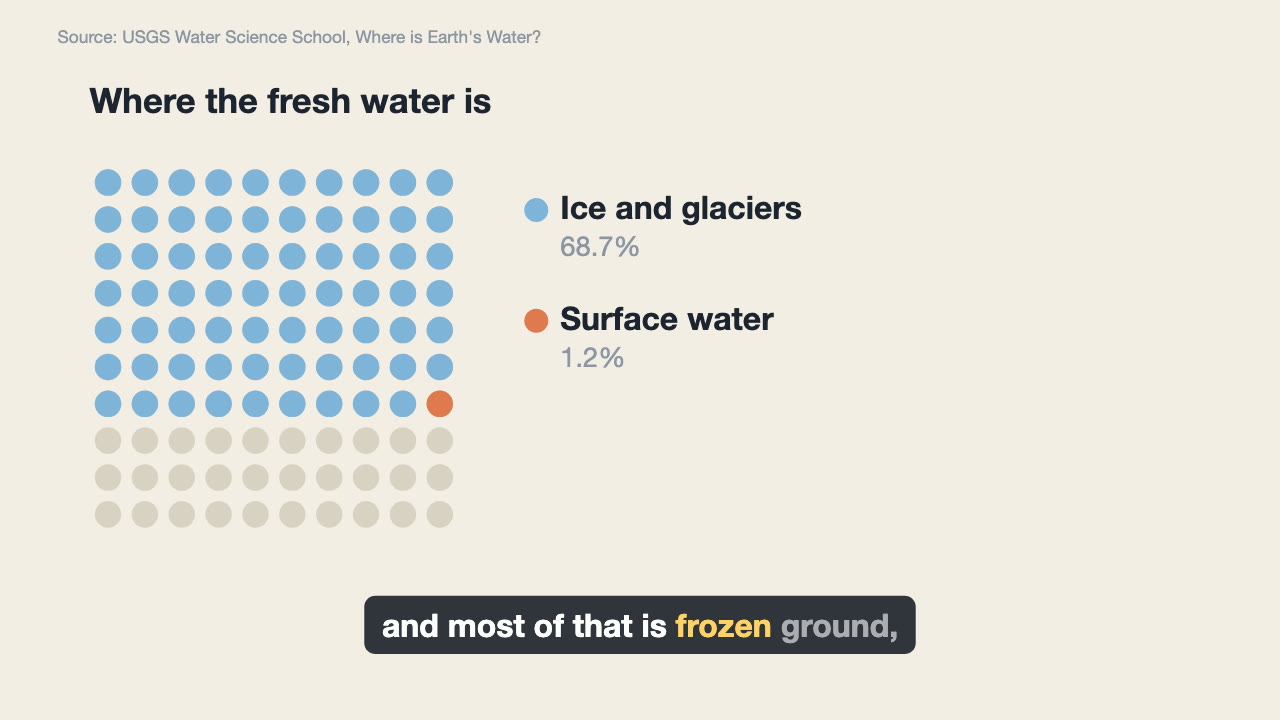
Narrated Explainer Video
Have your agent research a topic, write a script with a source for every figure, voice it, and animate scenes that land on the words that name them.
Physics Simulation One-Take Film
Simulate lightning, a crack or a fire front, then ride it in one unbroken camera shot, with sound from the simulation and a flash safety check.
Cinematic Video Hero
Have your agent build a one-screen hero from footage and type, with a freeze frame, text behind the subject and a loop, then measure it in a real browser.
UI Morph Loop
Have your agent make a looping clip where one element turns into a button, toggle, slider, search field, notification and player, with a cursor that clicks and drags to cause each change.
Browser Game Trailer
Have your agent build a small game that plays in a browser tab, then play it with scripted inputs and cut a 15 to 30 second gameplay trailer from its best moments.
Lemo-Opuscar: 66 Film Styles Your Agent Directs in Code
Have your agent direct, draw, score and mix a short film about your own topic in one of 66 styles, from Ukiyo-e to Swiss motion graphics.
librosa Beat Sync
Measure a track's beats with librosa, drive an animation from the JSON it writes, and prove the sync by measuring the video.
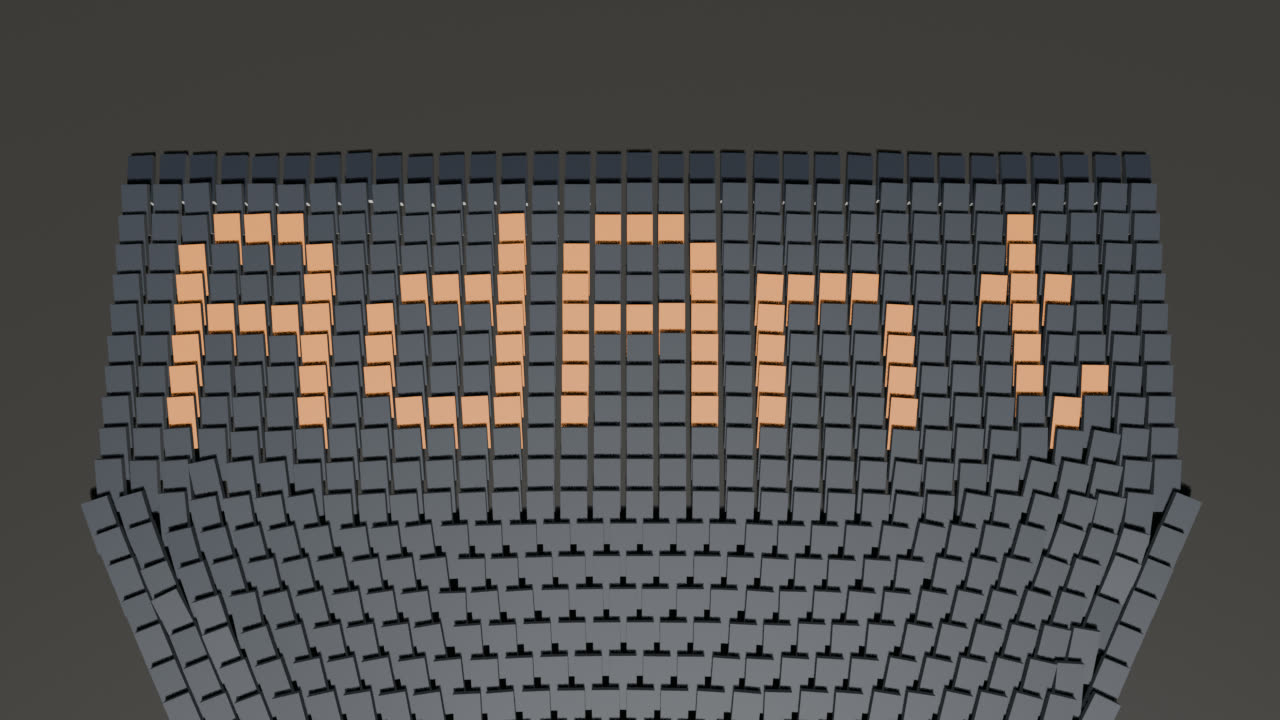
Blender Domino Chain Reaction
Have your agent build, bake and film a Blender domino run whose fallen dominoes spell your word or logo.
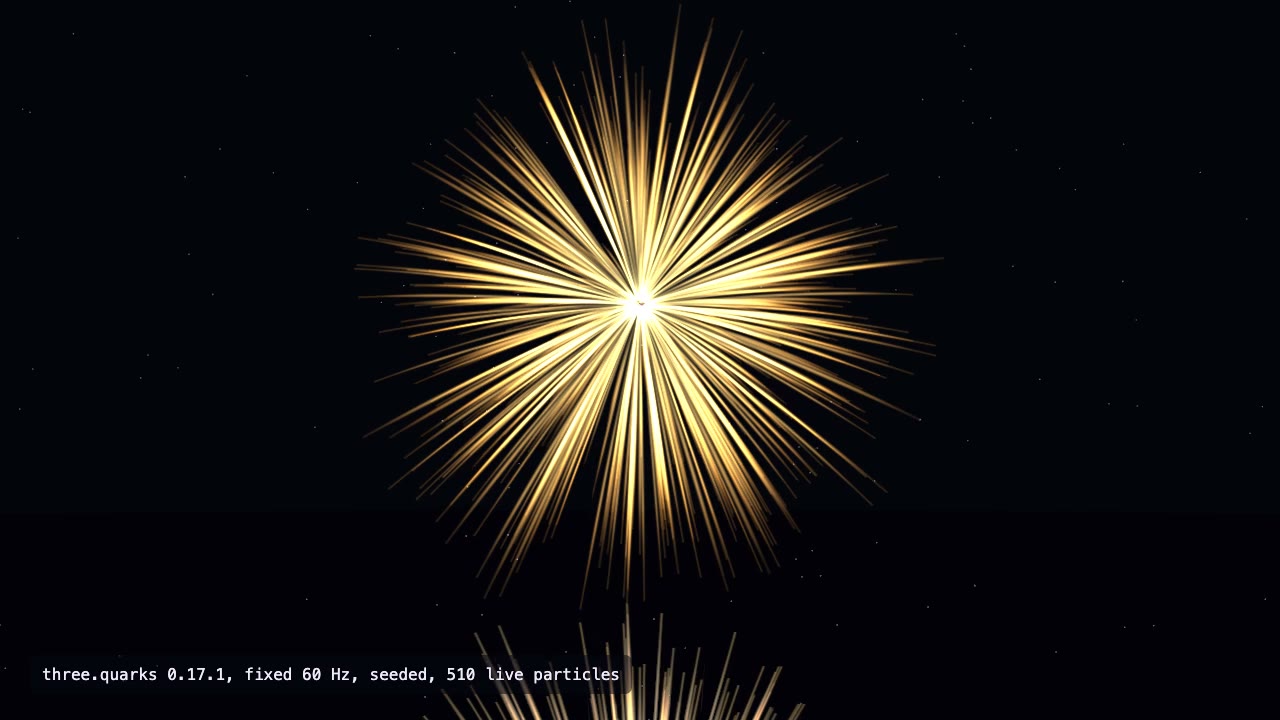
three.quarks VFX
Make trails, sparks, shockwaves and fireworks in three.js, on a seeded clock, so a frame renders the same again on the same machine.
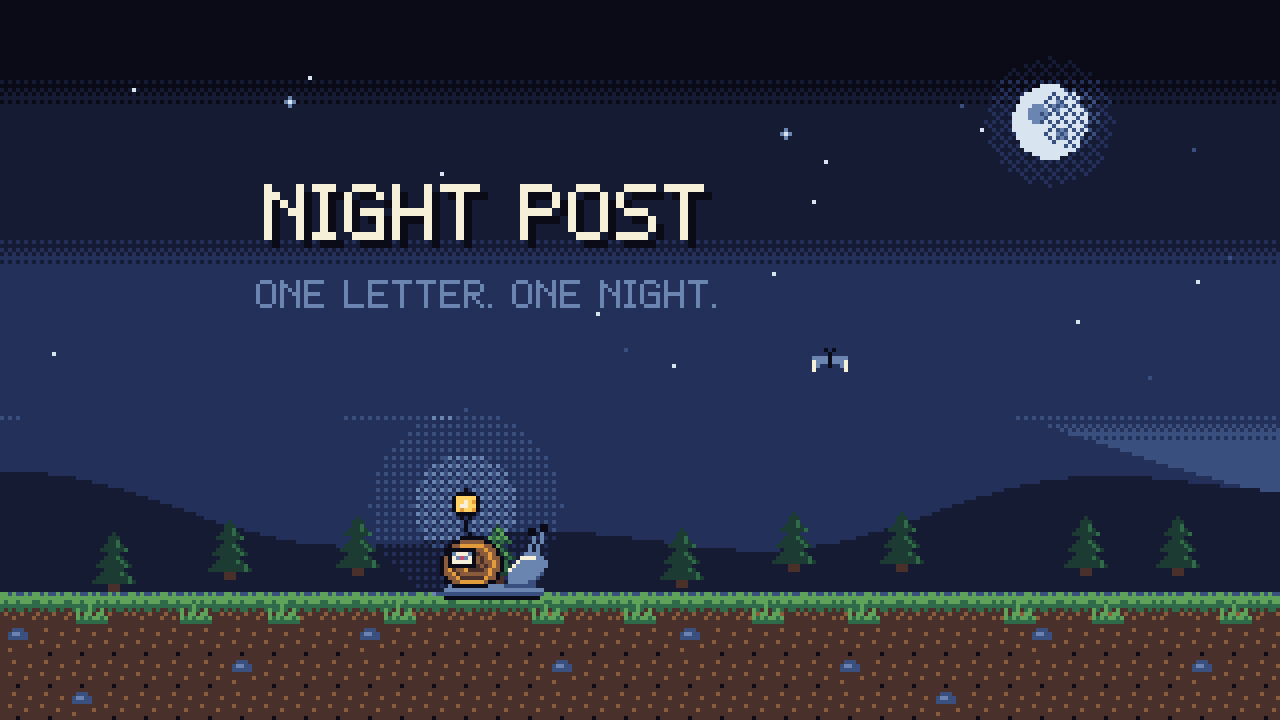
Pixel-Art Sprite Film
Have your agent make a 15 to 40 second pixel-art scene in code, with sprites, parallax and a chiptune score, rendered to an MP4 whose pixels stay crisp.
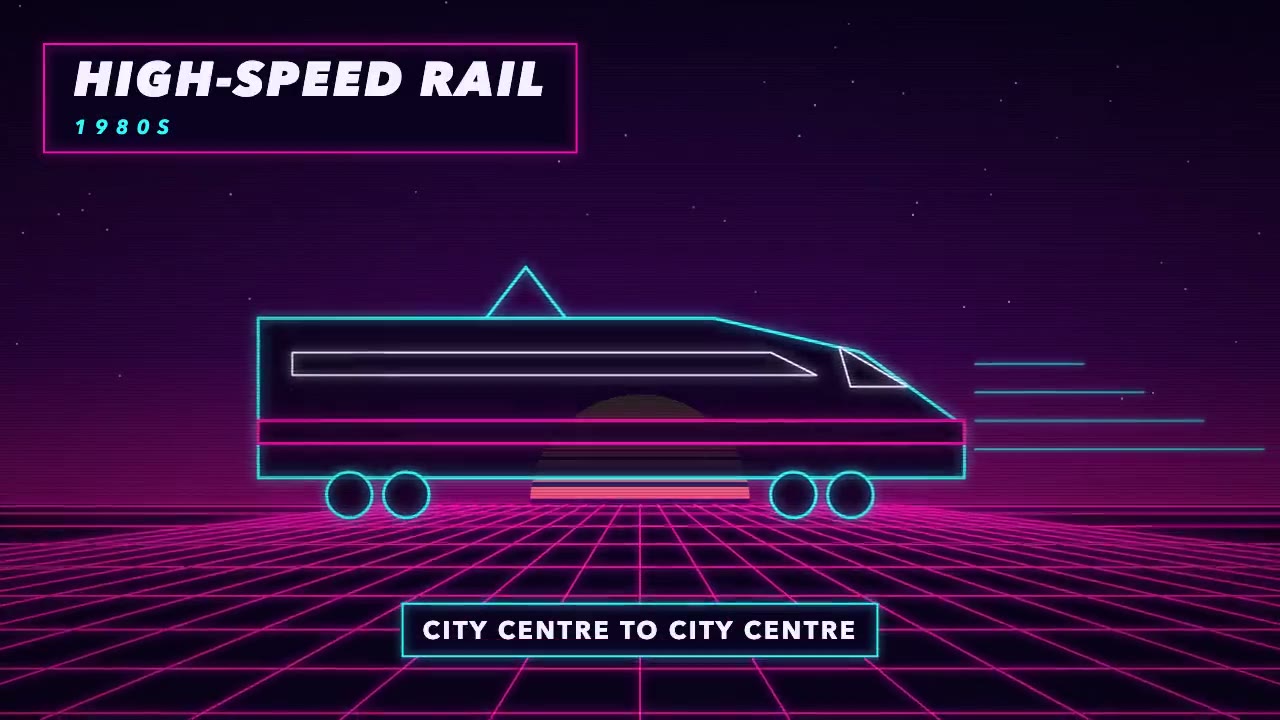
Era-Style Montage
Have your agent make a 30 to 60 second montage through time in which every era is drawn in its own period's look and scored with its own instruments.