
About this skill
The trailer is never screen-recorded. The game's rules run in fixed steps of 1/60 s from a seed, so a short list of button presses replays the same run anywhere, and Node can play it without a browser. While it plays, the game logs its highlights: a long chain, a rare pickup, a narrow escape. A bot plays several runs and the one with the most worth showing is kept. A cutter places those moments on a beat grid, with a title card, clips that get shorter as the music builds, the biggest moment last with a freeze, the final score and an end card. A renderer replays each clip to the exact step in headless Chromium and writes every frame to ffmpeg, with the game's own synthesized sound mixed offline. A checker then fails a trailer that freezes, goes black or silent, clips, or drifts out of sync. Two templates, one in Canvas 2D and one in three.js, are complete original games you replace with yours.
You say
Using this skill, make a small browser game where you steer a paper boat down a river at night, collecting lanterns and dodging rocks. Keep it to one HTML file with sound. Then play it and cut a 20-second trailer for our launch post, and a vertical version for Reels.
How it works
- Describe the game: what the player does, what makes it hard, and the moments worth a replay.
- Your agent builds it in one HTML file on the template's contract, with the rules apart from the drawing so they replay exactly.
- A bot plays several seeded runs in Node; the run with the best highlights is kept and replayed once more to prove it matches.
- The cutter puts the moments on a beat grid, the renderer draws every frame in headless Chromium, and the checker reviews the MP4.
Getting a good result
- Change the game, not the trailer, when a run is dull: add a kind of moment worth showing and log it as a highlight.
- Play again after any change to the rules. An input script only replays on the game it was recorded on.
- Render a 640x360 draft and look at a contact sheet before the full render. Every highlight's landing frame should read at a glance.
What you get
- Two complete one-file game templates, Canvas 2D and three.js, each with a fixed-step loop driven by step number, seeded randomness and WebAudio sound and music
- An input-script format, a headless player that replays and verifies any run, and a bot that plays like a person
- A highlight logger and a cutter that lands every highlight on a beat of the music
- A frame-exact renderer for 16:9, square and vertical trailers, with the sound mixed from the game itself
- A checker that fails frozen gameplay, black frames, dead air, clipping, sound out of sync and files players reject
Good fit
- Launch posts, store pages and short ads for a small web game
- Showing off a game your agent just built, in a form people will watch
- Replaying a bug or a great run exactly, from a recorded input script
Not for
- Large games with an engine, such as Unity or Godot exports
- Recording a game you can't change, since the trailer needs the game to replay from a seed
- Recreating an existing game, its characters or its look
How to install it
- Download the ZIP and unzip it.
- Move the folder holding
SKILL.mdinto your agent's skills folder, such as~/.claude/skills/for Claude Code. - Start a new session and ask for what you want to make.
Needs: An agent that reads skills, Node.js 20 or later, Playwright with Chromium, or Chrome, ffmpeg.
Popular on X
Posts showing demand for this kind of video. Unless a post names this tool, it wasn't made with it.
- A browser game made with Opus 5.5 57,034 views on X, measured 11 November 2026
- A game built with Opus 5.5, which also played it and cut the best moments into a demo video 32,202 views on X, measured 11 November 2026
FAQ
What does it cost?
$2.99 once for this skill, or $99 once for every skill in the library. It also comes with every paid AdAnt plan, from $15 a month. It runs on your own computer and uses no AdAnt credits.
Can I use it in commercial work?
Yes. The skill's code is MIT licensed: use it and what it makes in your own commercial work, including for clients, and keep the license file with any copy you pass on.
Why not just screen-record the game?
A recording drops frames, catches the cursor and can't be redone. Here every frame comes from a replay of the same inputs, so the trailer is identical on every render. You can change a caption or the cut and render again without playing again, and the sound hits land exactly with the picture.
Who plays the game in the trailer?
By default, a bot written for your game. It plays several runs with different seeds, and the run with the most worth showing is kept. You can also play it yourself in a browser, save your run with one key, and cut the trailer from that.
Can it make a three.js game?
Yes. The ZIP has a three.js template game as well as a Canvas 2D one. The rules stay in plain JavaScript and three.js only draws the state, so the replay, the cutter and the renderer work the same. Without a GPU, headless Chrome draws three.js in software, which is slower but fine for a short trailer, and the game loads three.js from a CDN, so it needs the network.
How is this different from the other animation skills?
JavaScript Animation and Three.js Animation make authored films, where every motion is written on a timeline. This skill makes a game people can play, and the trailer is cut from real play. Use Three.js Animation for a cinematic intro shot before the gameplay. Physics Simulation One-Take Film is for one unbroken shot that rides a simulated process.
Can I make a game based on one I like?
Take the mechanic, not the game. The skill tells your agent to invent the name, characters, look and levels, and not to copy an existing game's, even when you name one as the feel you want.
Did the post's author write this skill?
No. AdAnt took only the idea from the linked post and wrote this skill, its template game, its scripts and its wording from scratch. The post's author did not write or review it. The clip on this page was rendered by AdAnt with this skill.
Related skills
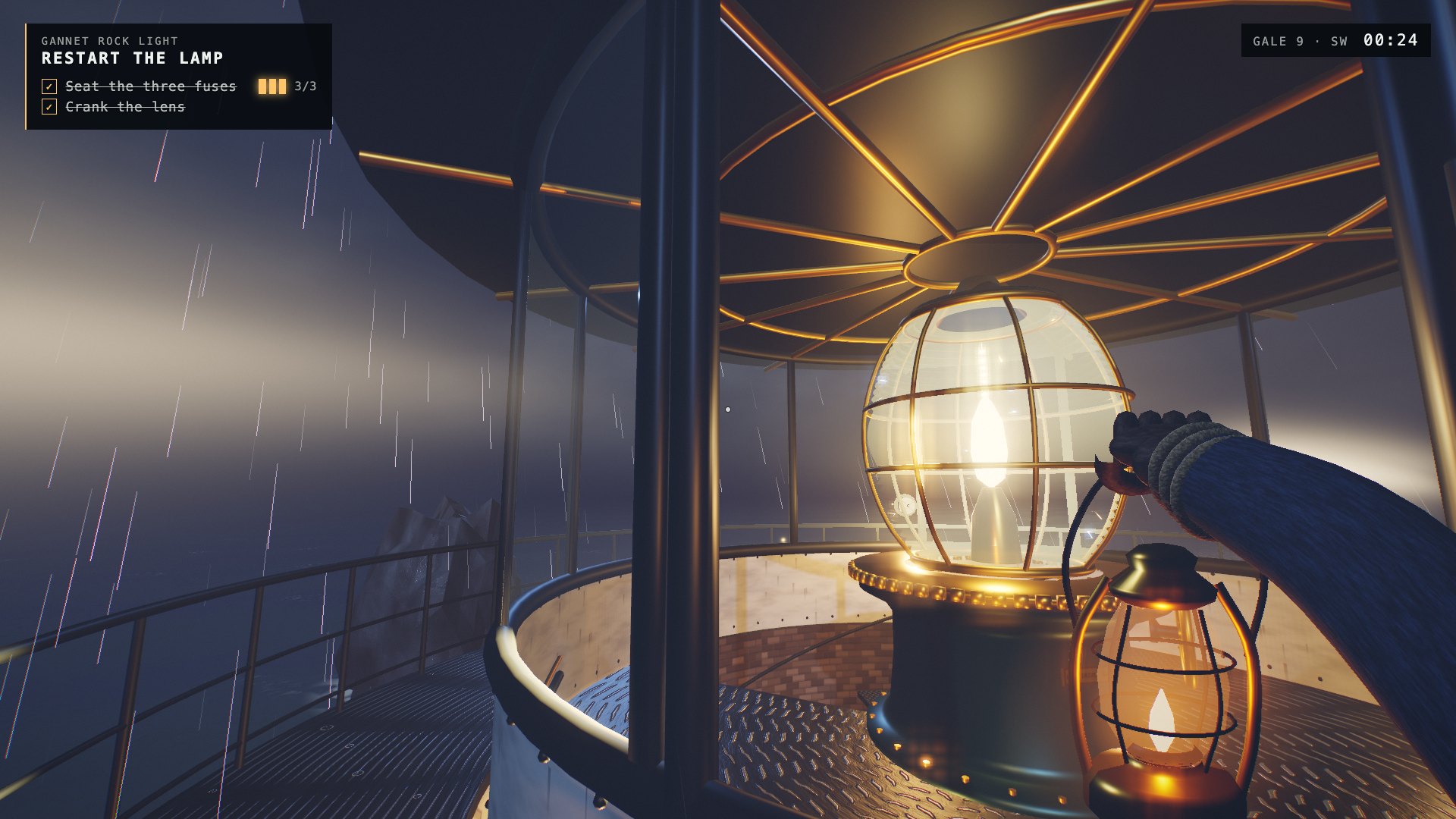
One-Shot First-Person Browser Game
Have your agent build a complete first-person 3D browser game in one long unattended run, with every mesh, texture and sound made in code, and record its gameplay.
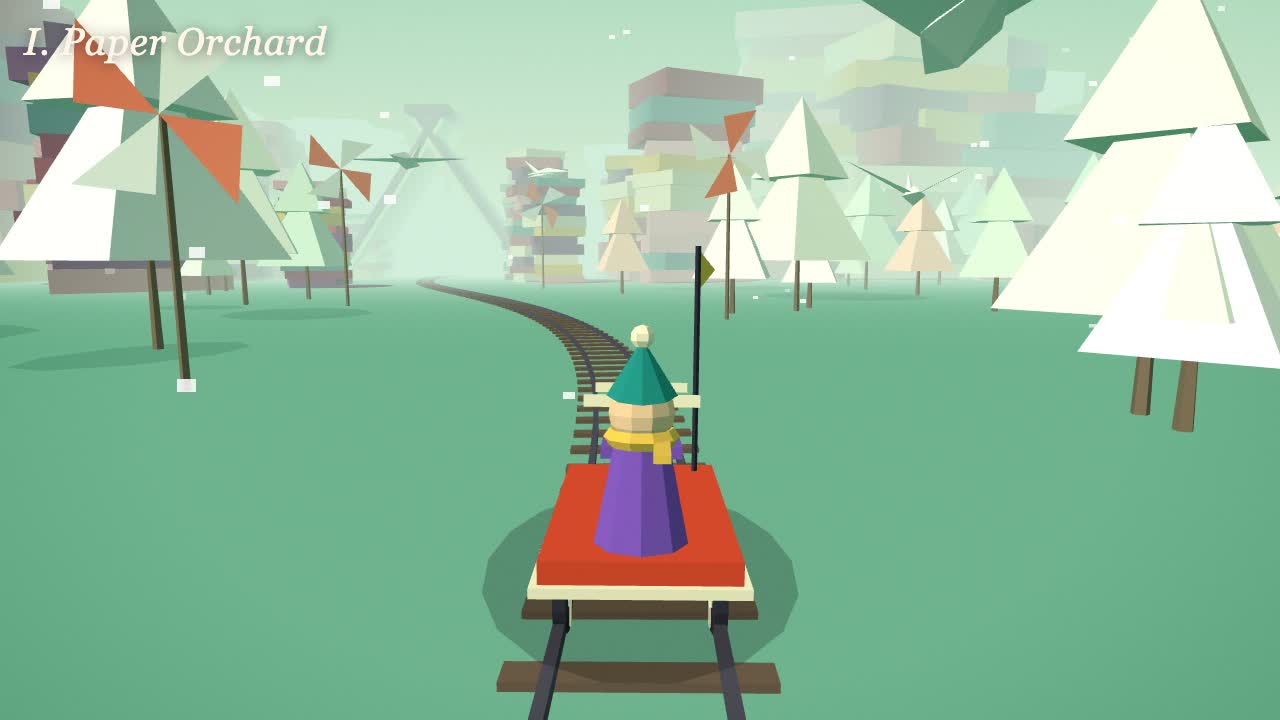
Dreamlike Voyage Browser Game
Have your agent build a calm ride through several invented worlds in three.js that plays in a browser tab and on a phone, check it, and record a clip of it.

Logo Reveal and Ident
Have your agent turn your SVG logo into a 3 to 8 second reveal with a sound hit, as wide, vertical, square and transparent videos that end on your logo, checked against the SVG.
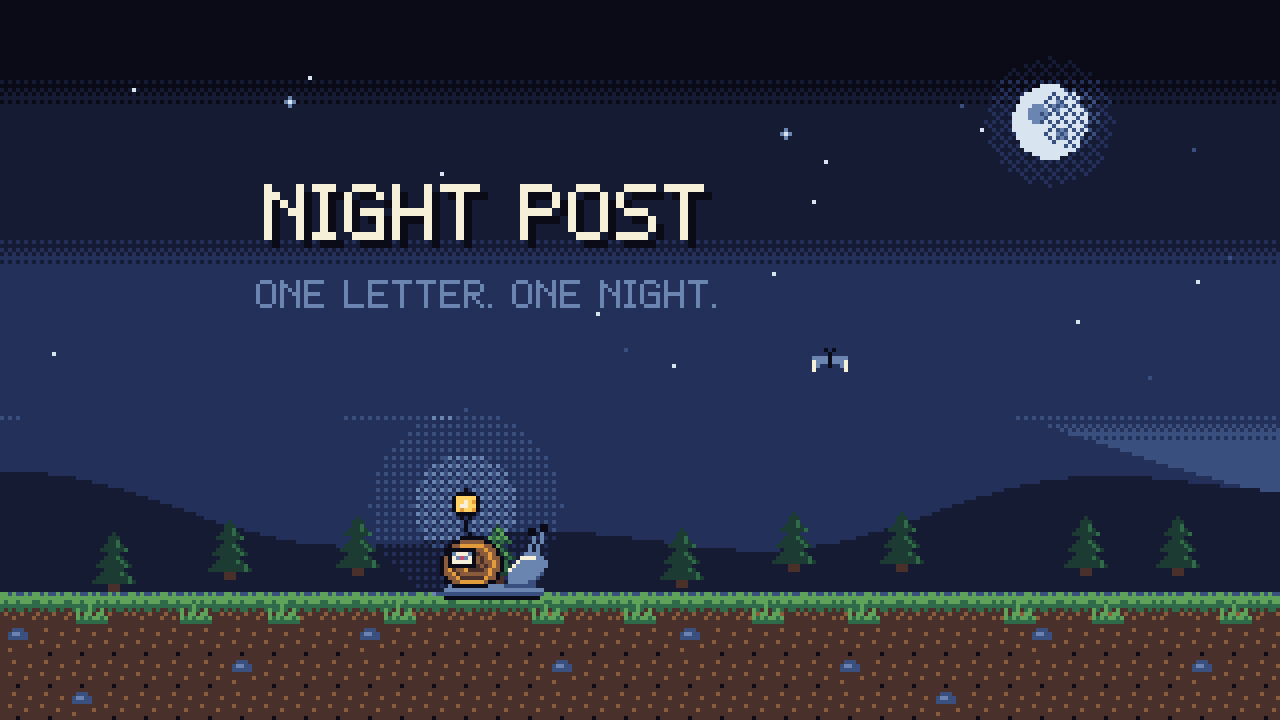
Pixel-Art Sprite Film
Have your agent make a 15 to 40 second pixel-art scene in code, with sprites, parallax and a chiptune score, rendered to an MP4 whose pixels stay crisp.
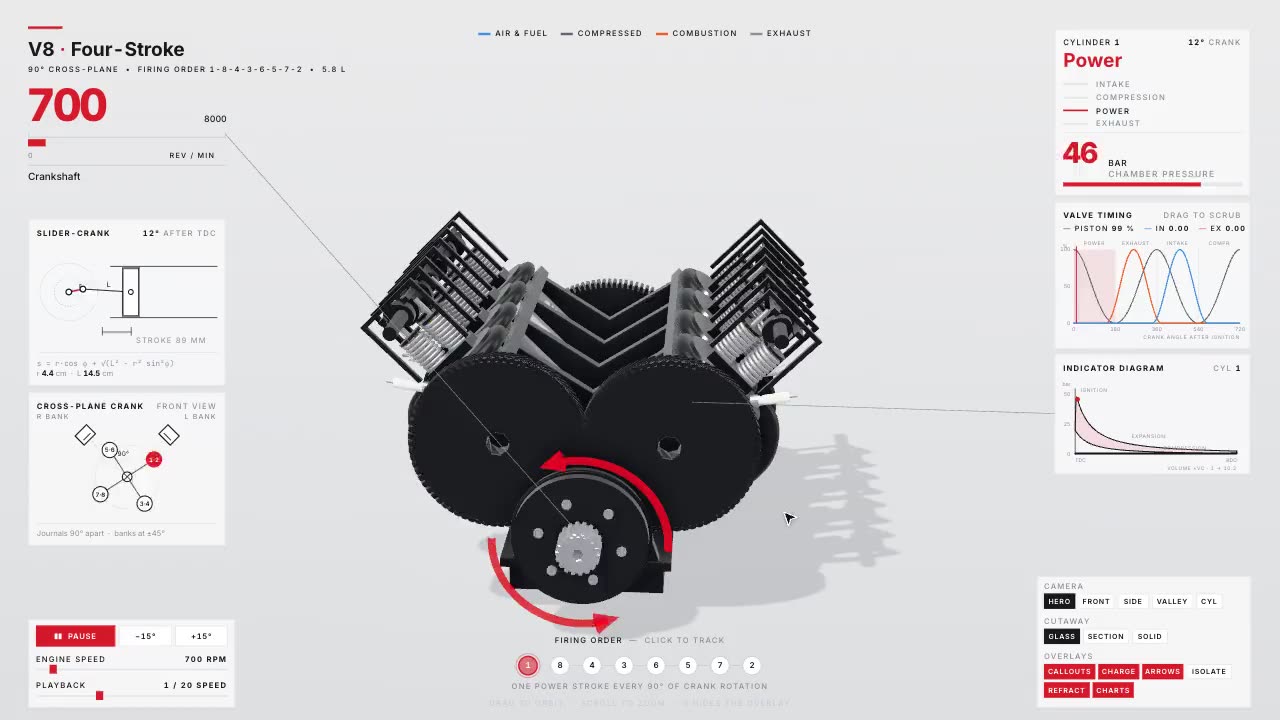
Teardown: 3D Machine Simulators You Can Take Apart
Have your agent build a working 3D model of a machine as one offline page, with live gauges, a button per part and a recorded tour.
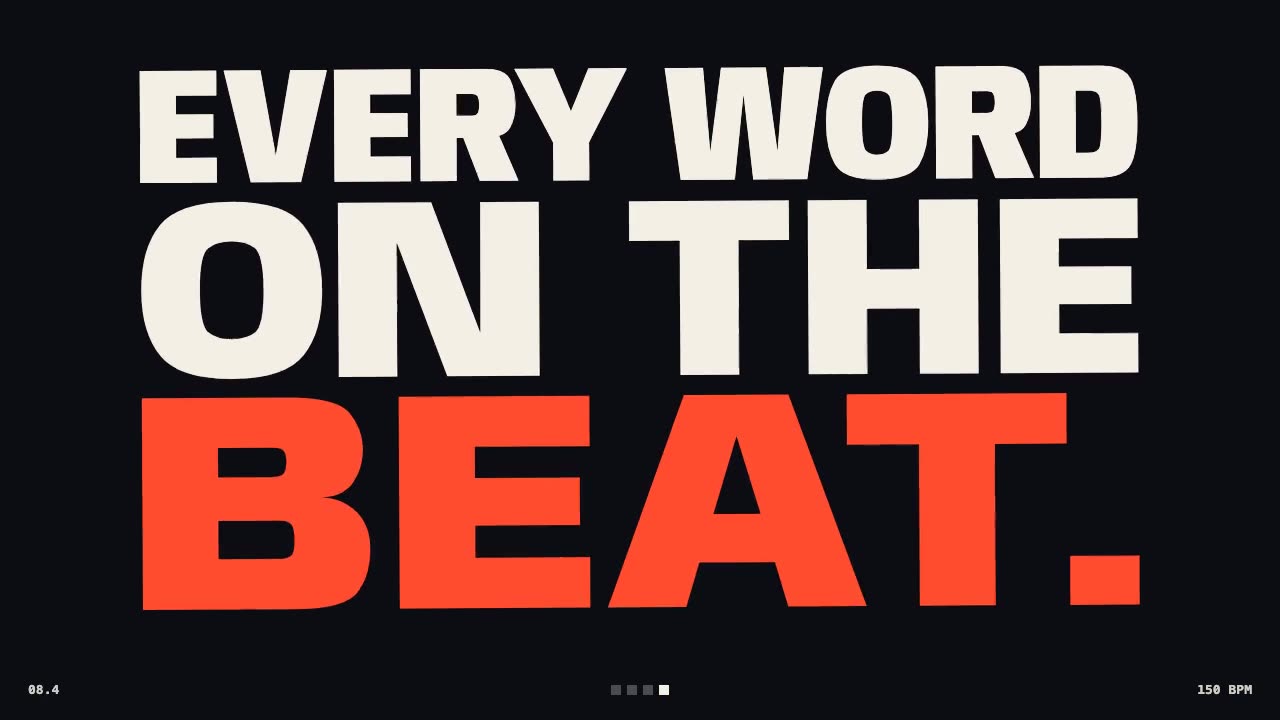
Kinetic Type Film
Make a launch film of big words cut to the beat, with real motion blur, synthesized music and measured sync.
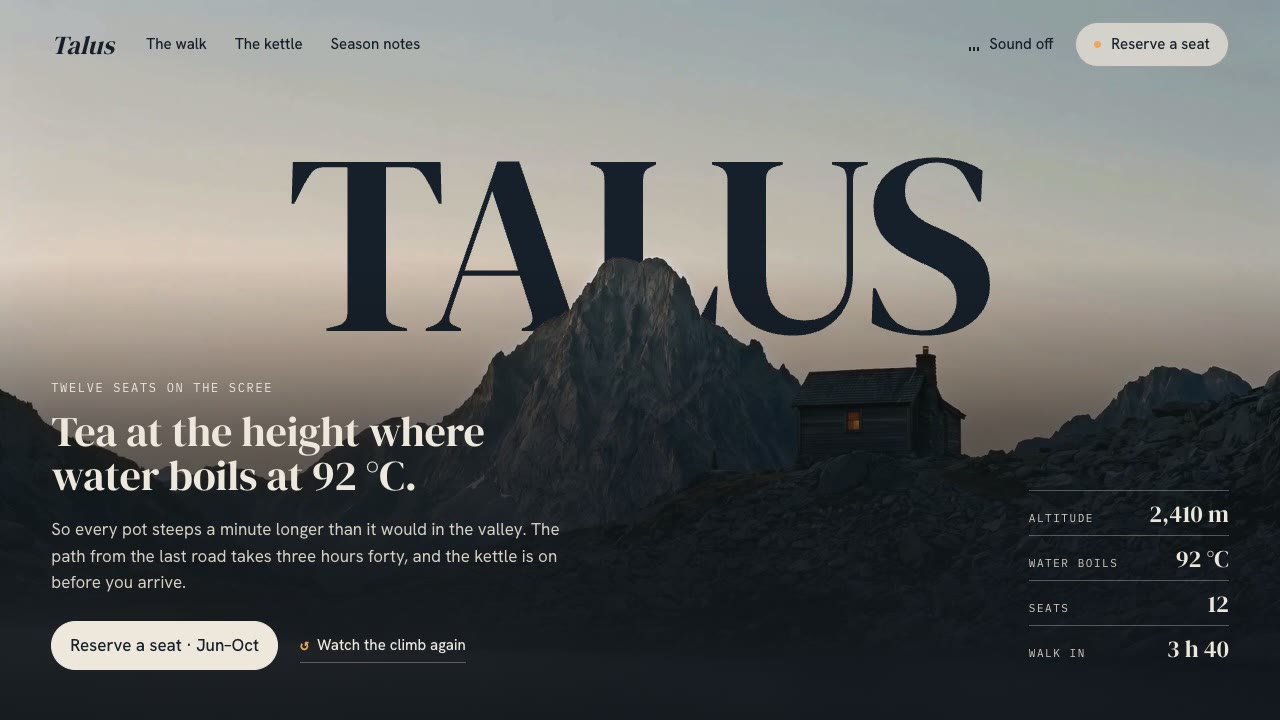
Cinematic Video Hero
Have your agent build a one-screen hero from footage and type, with a freeze frame, text behind the subject and a loop, then measure it in a real browser.
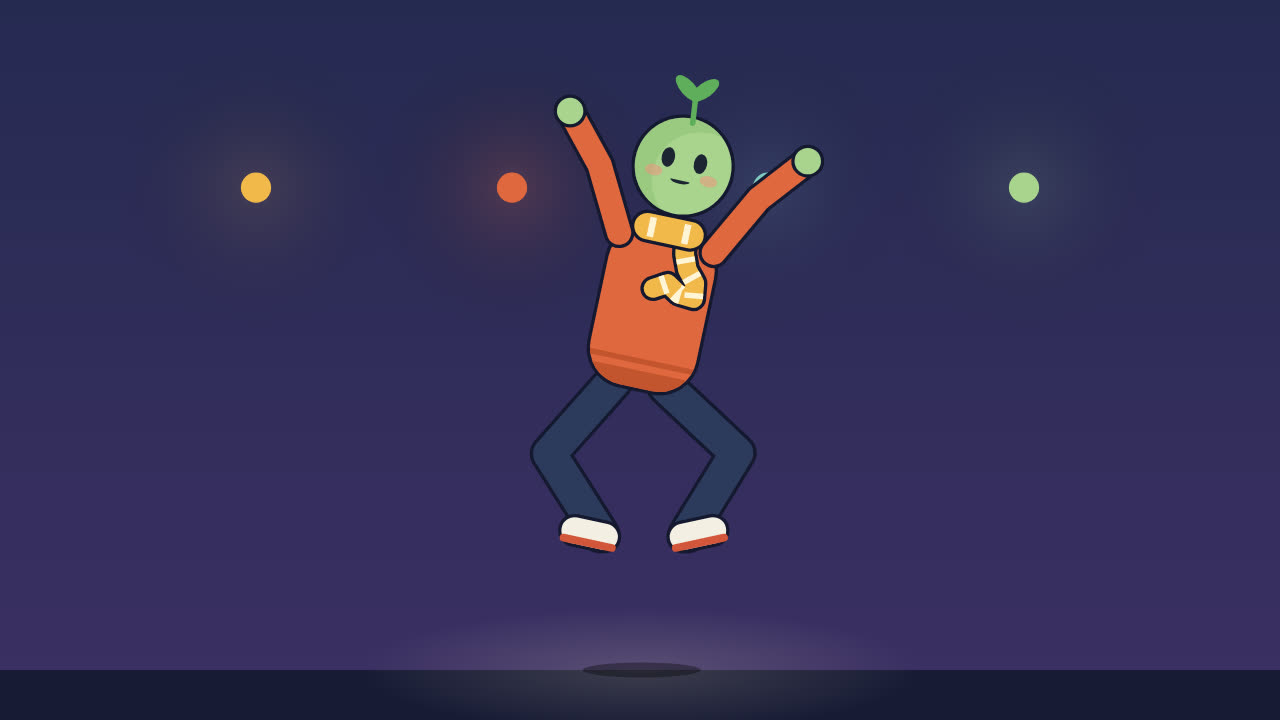
Procedural Character Performance
Animate an original character dancing, walking or trotting to a beat entirely in code, with feet that never slide and every hit on the beat.
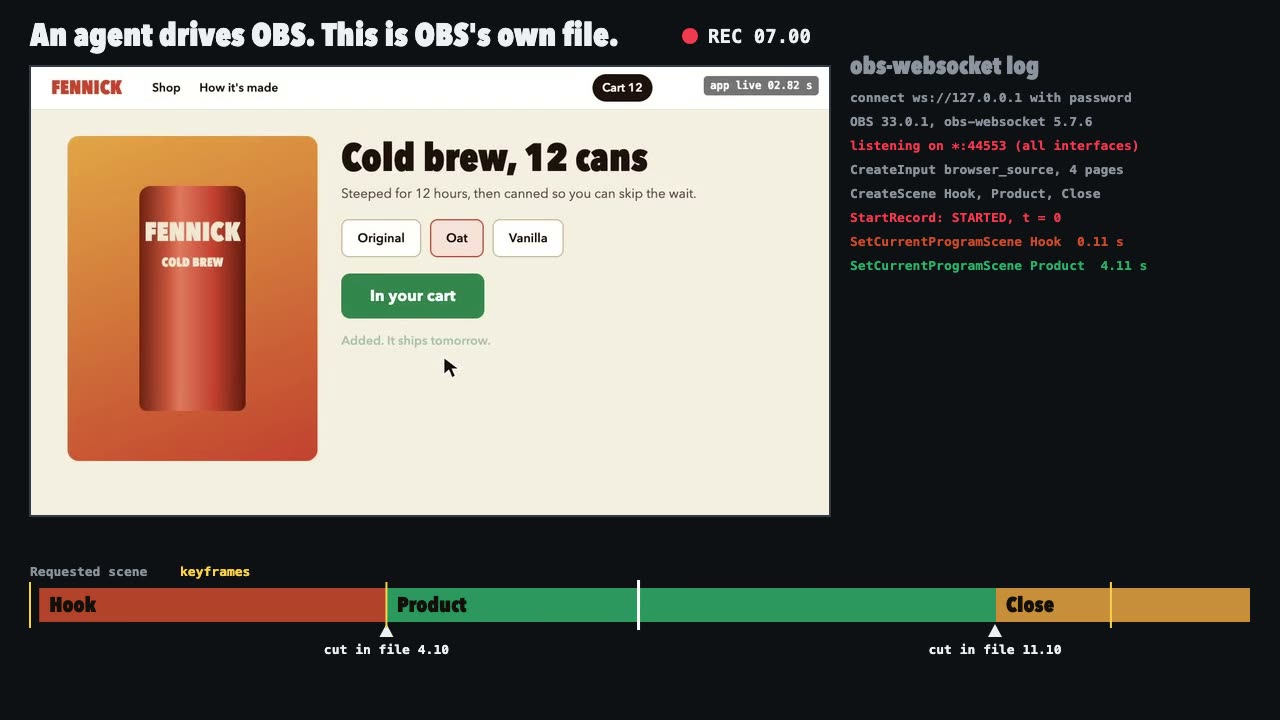
OBS Recording
Script a real OBS recording of a page with timed scene switches, then check the file it wrote.

Storybook Feature-Film Look
Have your agent give a three.js film the look of a finished animated feature, then sample random frames and fix them until every one passes a written reject list.

Cursor Playground Hero
Have your agent build a hero section visitors play with, on small simulations that behave the same on every screen and never blow up.
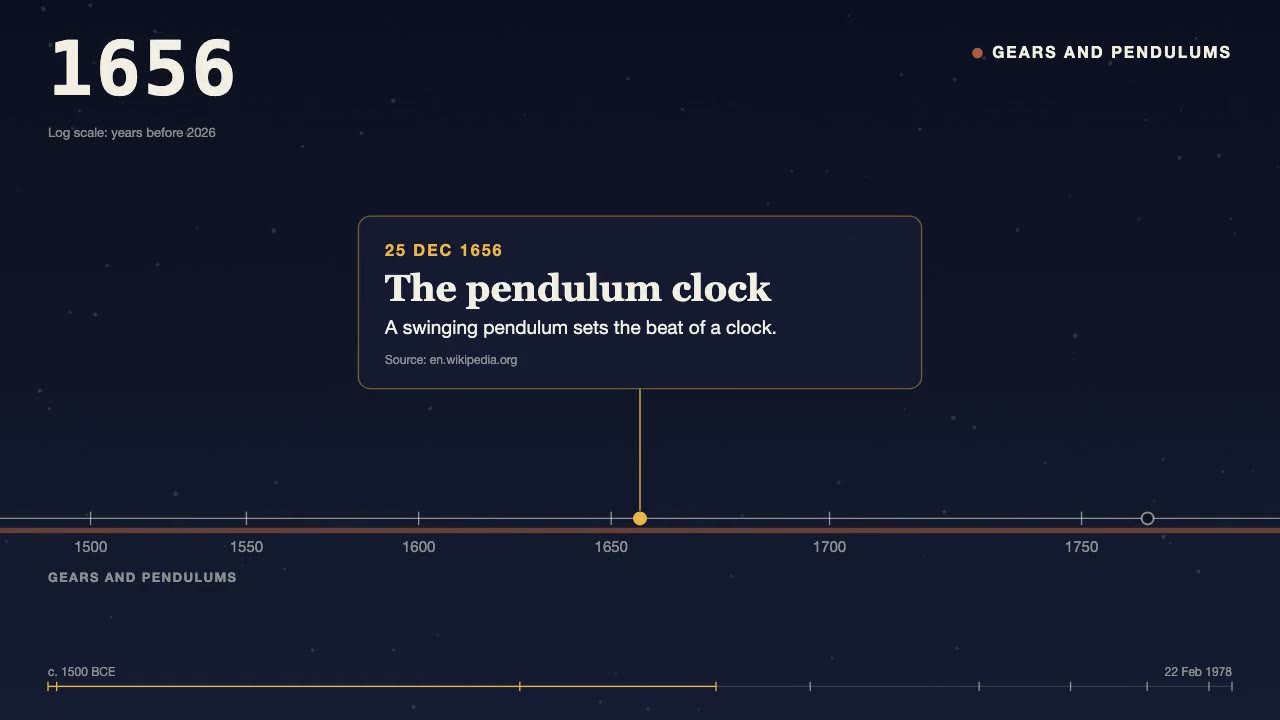
History Timeline Film
Turn a dated, sourced list of events into a 30 to 90 second film: the camera travels along a time axis, a year counter rolls, and each card lands on its date.