
About this skill
A correct three.js scene can still look like a test: grey light, everything sharp to the horizon, bare surfaces, empty air. This skill is the layer that closes that gap. Each world gets a colour plan as data, with one dominant hue, one key light and a rim from behind, and a checker fails the plan before anything is built. A kit of small modules does the rest: a lens stack with depth of field and round bokeh, soft bloom, halation, a faint streak and fine grain; mist marched as a volume; particle layers computed from time; and surface recipes for cloth, wicker, wood, stone, ice and paper. Then a critic script samples random frames, measures exposure, clipping, colour separation and detail at three sizes, and holds the film at a gate until your agent has looked at every still and passed it against eight written ways a frame can fail.
You say
Using this skill, give my three.js short the storybook film look. It has three worlds: a harbour at dawn, a library at night and a rooftop garden in fog. Write the colour plan first and check it, add the lens, mist and two particle layers per shot, then run the critic on random frames and keep fixing until the gate passes.
How it works
- Tell your agent which film to work on, or describe the hero and the worlds for a new one.
- It writes each world's colour plan as data, with one dominant hue, one key light and a rim, and runs the plan checker.
- It builds surfaces from the recipes, fills the air with mist and two particle layers per shot, and shoots through the lens focused on the hero.
- It runs the critic on random frames, looks at every still against the reject list, fixes what fails, and repeats with a new seed until the gate passes.
Getting a good result
- Open with the same shot plain and then finished. It shows the difference in two seconds, and the plain half should fail the critic.
- Keep the hero light one colour in every world and give it a gentle falloff, so it lights the set without flattening the hero.
- Fix the cause, not the frame: if one close shot cuts the hero at the edge, change the framing rule for every close shot.
What you get
- A lens stack for any three.js scene: depth of field with round bokeh, bloom, halation, an anamorphic streak, grain, vignette, and a highlight shoulder that keeps a warm light warm
- Mist marched as a volume and lit by the key and hero lights, and particle layers that are a pure function of time
- Six procedural surface recipes with matching bump maps, plus displacement, large-scale tint and wind
- A world rig: one key light with shadows, fill, haze, sky and a rim light on every material, with a colour-plan checker
- A critic script: random frames, a contact sheet, exposure, clipping and colour numbers, a verdict sheet and a gate
- A frame-exact renderer, a leitmotif score that changes mode per world, and a 20-second four-world example film
Good fit
- A three.js or WebGL film that is finished as animation but still looks like a test render
- Shorts built with Code-Rendered 3D Animated Short that need lenses, air and materials
- Teams of parallel agents who need one shared look and one judge
Not for
- Characters, a shot list or editing rules: Code-Rendered 3D Animated Short covers those
- Shots made by a video or image model: every frame here is drawn by your code
- Live pages on phones at 60 fps: the lens is built for offline rendering and desktop GPUs
How to install it
- Download the ZIP and unzip it.
- Move the folder holding
SKILL.mdinto your agent's skills folder, such as~/.claude/skills/for Claude Code. - Start a new session and ask for what you want to make.
Needs: An agent that reads skills, Node.js 20 or later, three.js and Playwright, with Google Chrome for GPU rendering, ffmpeg.
Popular on X
Posts showing demand for this kind of video. Unless a post names this tool, it wasn't made with it.
- A code-rendered animated short made with Claude Fable 5.2 41,431 views on X, measured 13 November 2026
FAQ
What does it cost?
$2.99 once for this skill, or $99 once for every skill in the library. It also comes with every paid AdAnt plan, from $15 a month. It runs on your own computer and uses no AdAnt credits.
Can I use it in commercial work?
Yes. The skill's code is MIT licensed: use it and what it makes in your own commercial work, including for clients, and keep the license file with any copy you pass on.
How does it relate to Code-Rendered 3D Animated Short?
They are two halves. That skill builds characters, shoots them from a shot list and checks the editing. This one is the look: lens, light, air, surfaces, and a critic that judges stills. Use them together by importing this kit into that skill's stage and rendering through the lens. Each also works on its own.
What does the critic check?
It picks random frames, one in each slice of the film, with a new seed every round. For each it measures how much is clipped to white or crushed to black, the brightness range, how much one hue family dominates, whether lights and shadows differ in tint, and detail at three sizes. Those numbers can only fail a frame. Your agent then looks at each still against a list of eight rejects, such as a graphics demo, a toy model, a game level, stage flats or a badly exposed photo, and the gate passes only when every still has a written pass.
Can I use the kit in a film I already have?
Yes. The kit is a folder of small ES modules that need only three.js. Replace your renderer.render call with lens.render, add particle layers and a world rig, and wrap materials with the recipes. The critic and renderer work with any page that exposes a renderAt(time) function, or with any MP4.
Will it run in real time?
The example plays live in desktop Chrome, but the lens gathers up to 220 samples a pixel and is built for frame-by-frame rendering. On AdAnt's test machine the 600-frame example rendered in under two minutes. For a live page, lower the blur radius.
Did the person whose post is linked write this skill?
No. AdAnt saw a post of a code-rendered animated short made with Claude Fable 5.2, then wrote this skill, its kit, its scripts and its example from scratch. Nothing from the post or its prompt is copied, and its author did not write or review it. The film on this page was built by Claude Fable 5.2 with this skill.
Related skills
Sketch to Styled 3D Scene
Have your agent read a hand sketch of a place into a measured layout, build it in three.js, and show the same scene in sunlit, painted and night looks.

Procedural Dragon Film
Have your agent build a long-bodied creature in three.js from numbers alone, fly it through a storm-lit landscape and render a frame-exact film with sound.
Dreamlike Voyage Browser Game
Have your agent build a calm ride through several invented worlds in three.js that plays in a browser tab and on a phone, check it, and record a clip of it.

Cursor Playground Hero
Have your agent build a hero section visitors play with, on small simulations that behave the same on every screen and never blow up.

Code-Rendered 3D Animated Short
Have your agent write a tiny wordless story, build its characters and set in three.js, shoot it from a shot list, score it and render a frame-exact MP4.
One-Shot First-Person Browser Game
Have your agent build a complete first-person 3D browser game in one long unattended run, with every mesh, texture and sound made in code, and record its gameplay.
Scale Zoom One-Take
Make one continuous three.js zoom across many orders of magnitude, from a planet to an atom or out to a galaxy, with a scale readout that is right on every frame.
Browser Game Trailer
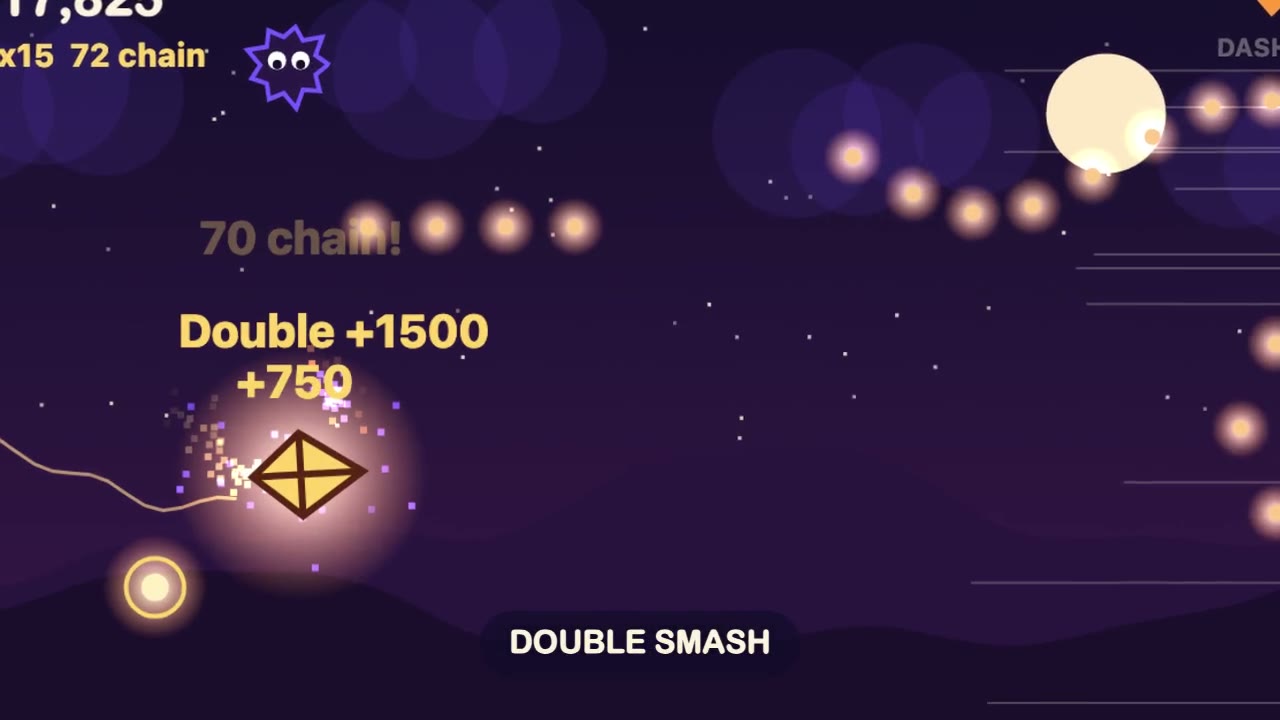
Have your agent build a small game that plays in a browser tab, then play it with scripted inputs and cut a 15 to 30 second gameplay trailer from its best moments.

Scroll-Posed 3D Product
Have your agent build a page where one 3D product holds the centre while the scroll poses it, section by section, until it docks into the buy box.

Procedural Shader Film
Write a cinematic macro shot as a single fragment shader, then render it offline to a small, clean video file.
Pixel-Art Sprite Film
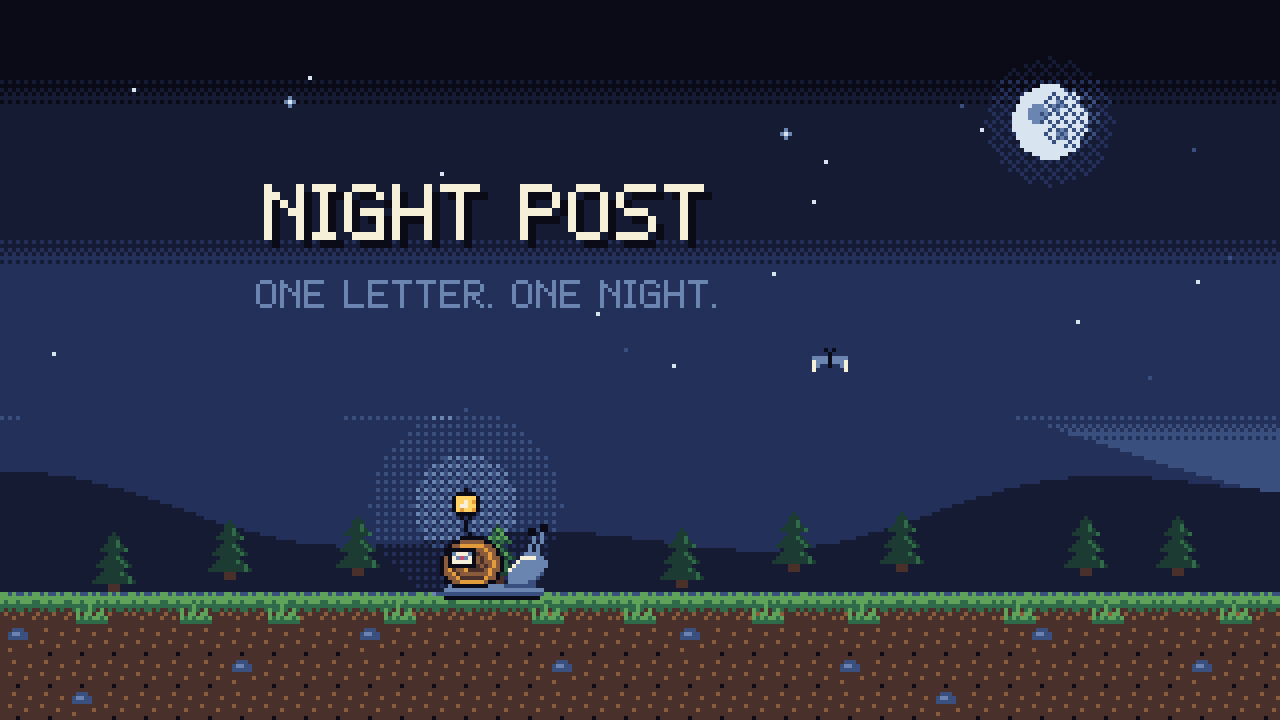
Have your agent make a 15 to 40 second pixel-art scene in code, with sprites, parallax and a chiptune score, rendered to an MP4 whose pixels stay crisp.

Motion Review Loop
Build a film in code so any frame can be inspected, then repair it from measurements, one changed line at a time.