
About this skill
The hero of the film is one long body. Its head flies a path of timed waypoints and the rest follows on the same curve with a travelling wave, so it cannot stretch. A tube is skinned along that spine and dressed with instanced scales, belly plates, fin ribbons, a mane and whiskers that lag behind every turn, horns, a hinged jaw and four paddling legs. A landscape kit adds stone pillars, cloud towers and mist built as lit volumes, a sea that throws spray where the body breaks it, foliage and rain. A checker walks every frame before anything renders, and the renderer writes an MP4 with a soundtrack synthesized from the film. Nothing is loaded from an image, model or audio file.
You say
Using this skill, make a 15-second film of a copper-and-cream river eel the size of a train that rises through morning mist, winds twice round a mossy stone pillar and slides back under. Four shots, one close on the head, and run the checker before you render.
How it works
- Tell your agent what the creature is, what it does and where, and roughly how long.
- It fills in a one-page creature brief, lays the head's flight path through timed waypoints, and builds the set.
- It lists 3 to 5 shots, says what each must keep in view, runs the checker and fixes every failure.
- It draws storyboards, times a few frames, renders the MP4 with its soundtrack and reviews a contact sheet.
Getting a good result
- Change the silhouette before the colour: snout, back fin and tail shape make the animal.
- Start the path a body length before the first frame, under water or behind rock, so the tail never pops in.
- Orbit the camera against the coil, and shoot the head from three-quarters rather than straight on.
What you get
- A spine that follows a flight path, with coils round a pillar as one entry
- A body kit: tube skin, about 1,700 instanced scales, belly plates, fins, mane, whiskers, horns, jaw and legs
- Secondary motion with no simulation, so any frame can be drawn on its own
- A landscape kit: stone pillars, cloud and mist volumes, a sea with spray or sand dunes, foliage, rain and lightning
- A checker for self-crossing, kinks, stone, popping tails, framing per shot and frame time
- A frame-exact MP4 renderer, storyboards, and a soundtrack synthesized from the film's own events
Good fit
- A hero creature shot for a title, a game teaser or a channel ident
- Dragons, sea serpents, eels and other long bodies that must coil without passing through themselves
- Films you can change by editing one file and render again the same way
Not for
- Winged or branching creatures: there is one spine and no wings
- Small characters with faces and a story in cuts, which Code-Rendered 3D Animated Short covers
- Photoreal creatures, or shots generated by a video model
How to install it
- Download the ZIP and unzip it.
- Move the folder holding
SKILL.mdinto your agent's skills folder, such as~/.claude/skills/for Claude Code. - Start a new session and ask for what you want to make.
Needs: An agent that reads skills, Node.js 20 or later, three.js and Playwright with Chromium, or Chrome, ffmpeg.
Popular on X
Posts showing demand for this kind of video. Unless a post names this tool, it wasn't made with it.
- A dragon film Claude Fable 5.2 built in three.js from code alone 104,154 views on X, measured 13 November 2026
FAQ
What does it cost?
$2.99 once for this skill, or $99 once for every skill in the library. It also comes with every paid AdAnt plan, from $15 a month. It runs on your own computer and uses no AdAnt credits.
Can I use it in commercial work?
Yes. The skill's code is MIT licensed: use it and what it makes in your own commercial work, including for clients, and keep the license file with any copy you pass on.
How is this different from Code-Rendered 3D Animated Short?
That skill is about shot grammar and a kit for small characters: faces that act, cuts that obey the 180-degree line, a story in three beats. This one is about a single long body in a big space: how its spine follows a path, how it is skinned and dressed, and how to keep it from crossing itself or the rock.
How is it different from Procedural Character Performance?
Procedural Character Performance drives a rigged biped or quadruped from a move sheet timed to a beat, with feet that plant. Here there is no rig and no ground contact: the body is a curve that follows its head, and the performance is the path it flies.
What does the checker catch?
It evaluates every frame without a browser. It fails a body that sinks into itself by more than 15% of its radii, bends tighter than 1.3 body radii, passes through a pillar, changes length by more than 6% or jumps between frames. It fails a tail that would pop into view because the path starts too late, a shot that holds the head or body in view for less than it asked for, and a camera under the sea, in the stone or inside the creature. With a browser it also times frames against a budget.
Are there really no asset files?
Yes. Geometry, colour, clouds, water, spray and sound are all computed. The only thing loaded is three.js itself, from your own node_modules.
Did the people whose posts are linked write this skill?
No. The linked post shows a dragon film that Claude Fable 5.2 built in three.js. AdAnt saw it and wrote this skill, its runtime, its scripts and its example from scratch, without reading the post's code. Nothing from the post is copied, and its author did not write or review this. The film on this page is a different creature in a different place, built by Claude Fable 5.2 with this skill.
Related skills
JavaScript Animation: Every Frame Drawn in Code
Have your agent draw a short film on an HTML canvas, write its music in code, and render an MP4 with no assets.
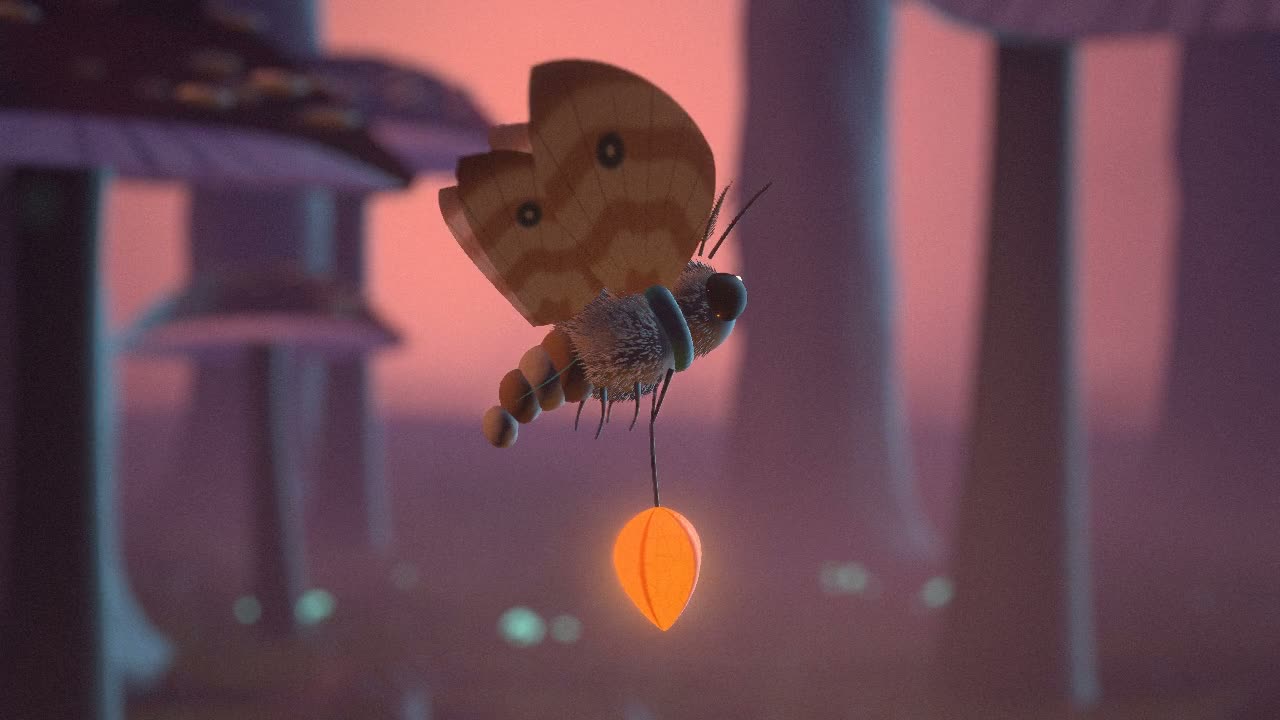
Storybook Feature-Film Look
Have your agent give a three.js film the look of a finished animated feature, then sample random frames and fix them until every one passes a written reject list.

Code-Rendered 3D Animated Short
Have your agent write a tiny wordless story, build its characters and set in three.js, shoot it from a shot list, score it and render a frame-exact MP4.

Procedural Character Performance
Animate an original character dancing, walking or trotting to a beat entirely in code, with feet that never slide and every hit on the beat.
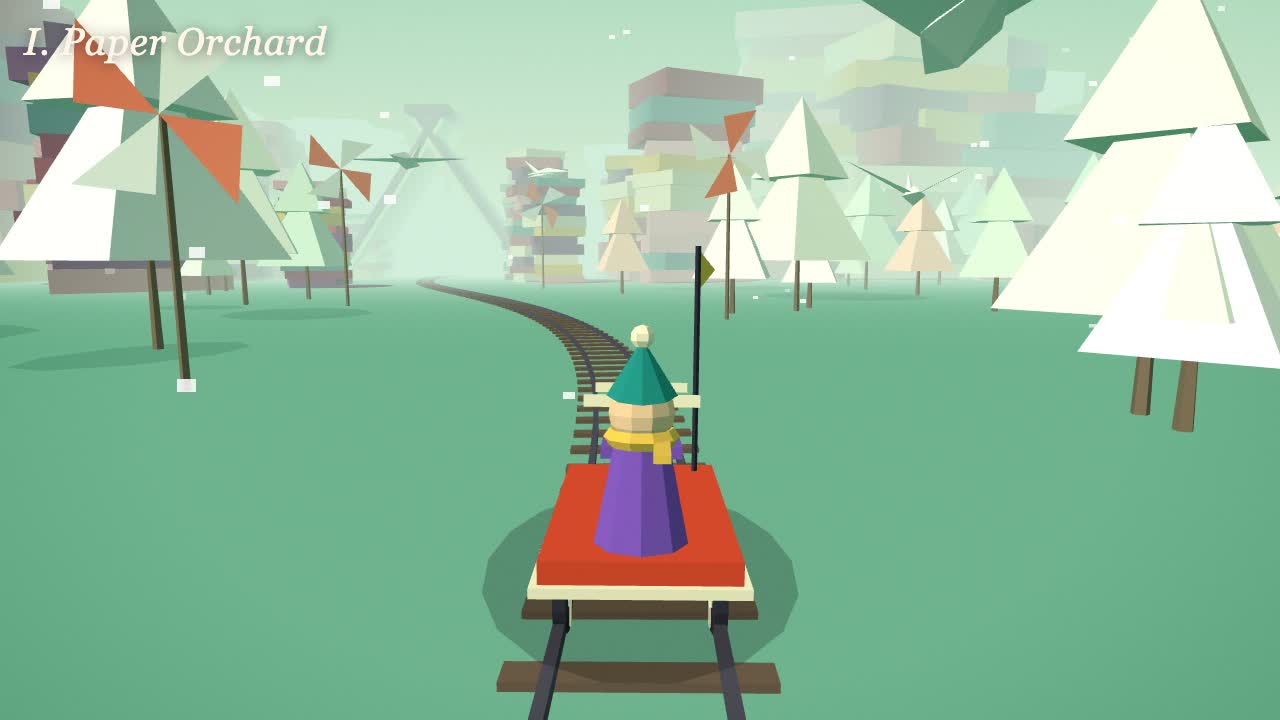
Dreamlike Voyage Browser Game
Have your agent build a calm ride through several invented worlds in three.js that plays in a browser tab and on a phone, check it, and record a clip of it.
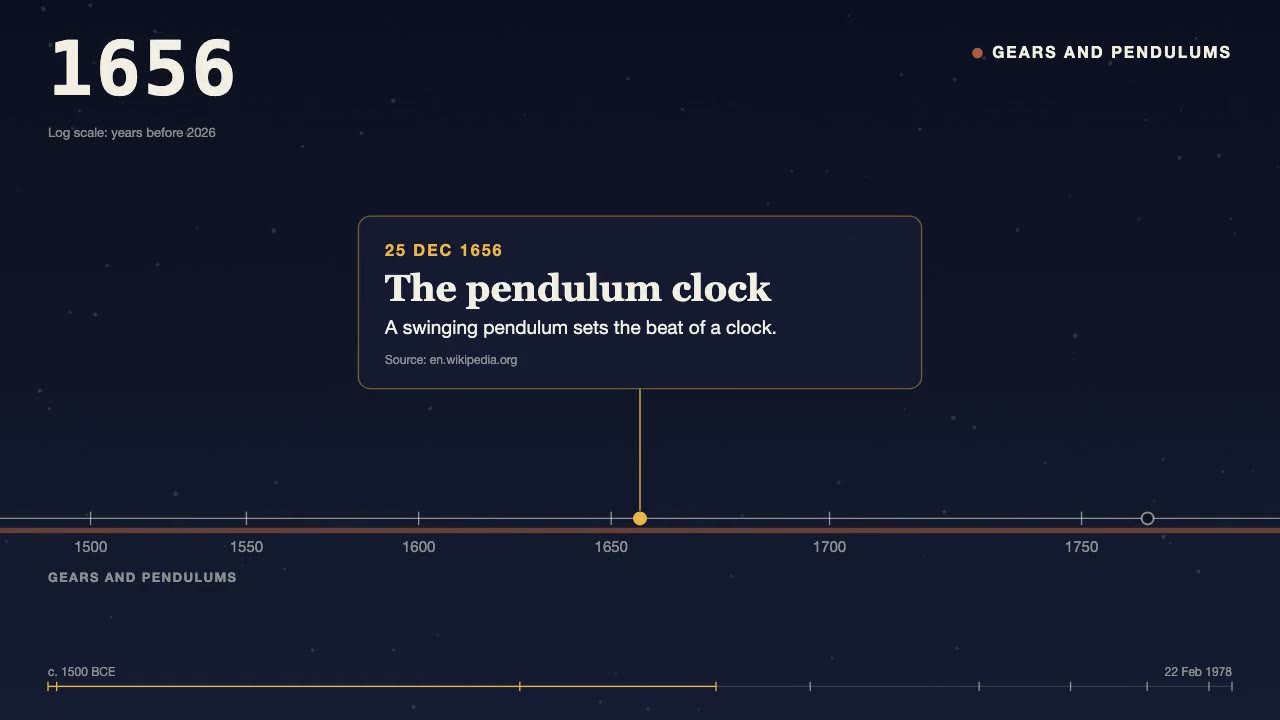
History Timeline Film
Turn a dated, sourced list of events into a 30 to 90 second film: the camera travels along a time axis, a year counter rolls, and each card lands on its date.
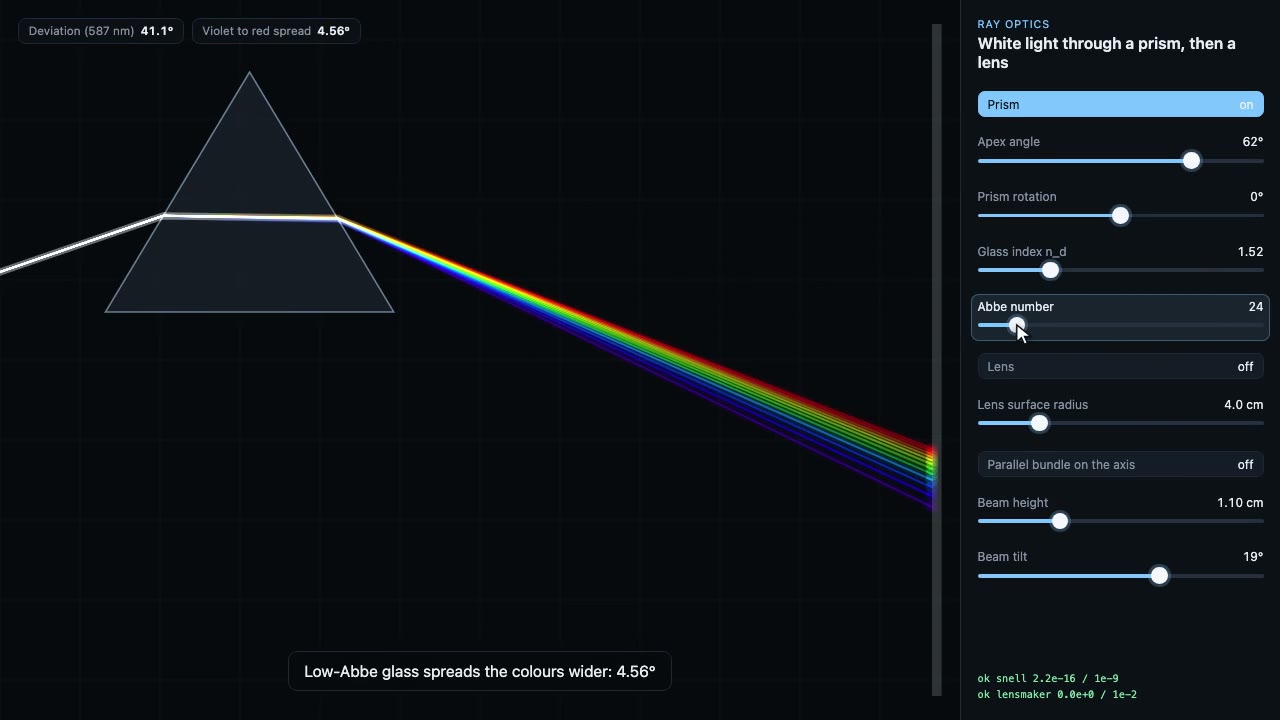
Science Simulation Lab
Build a live science sandbox with sliders, then record a scripted walk-through of it as a frame-exact MP4, with the physics checked on every frame.
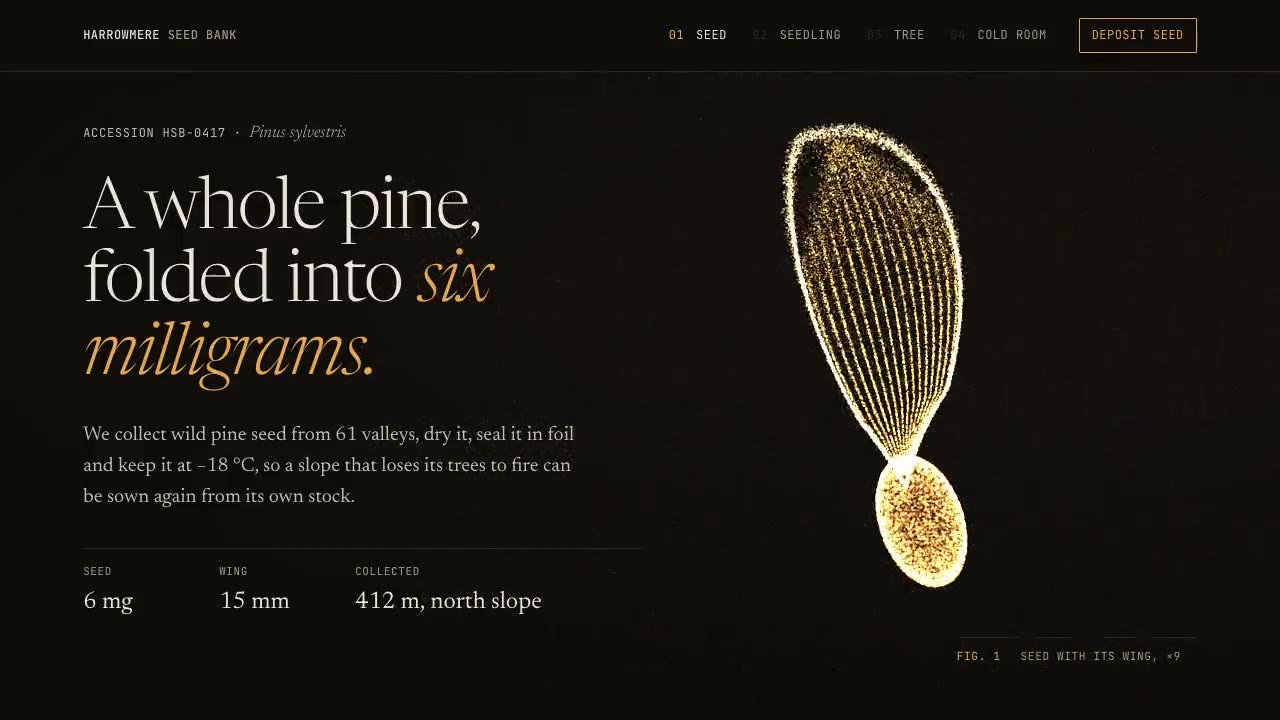
Particle Form Hero
Have your agent build a hero where GPU particles settle into your shape, morph to the next as the page scrolls, and part around the pointer.
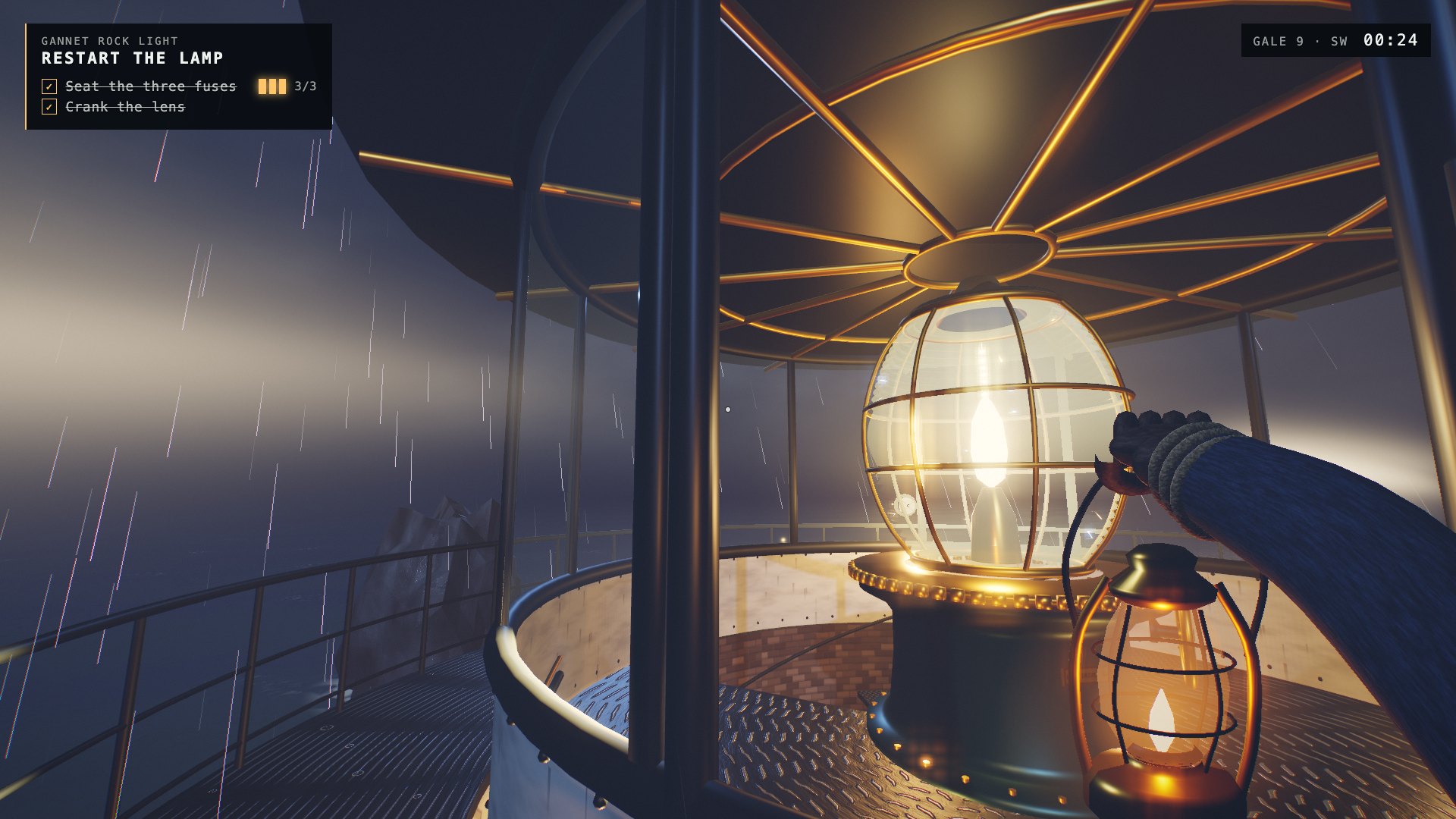
One-Shot First-Person Browser Game
Have your agent build a complete first-person 3D browser game in one long unattended run, with every mesh, texture and sound made in code, and record its gameplay.
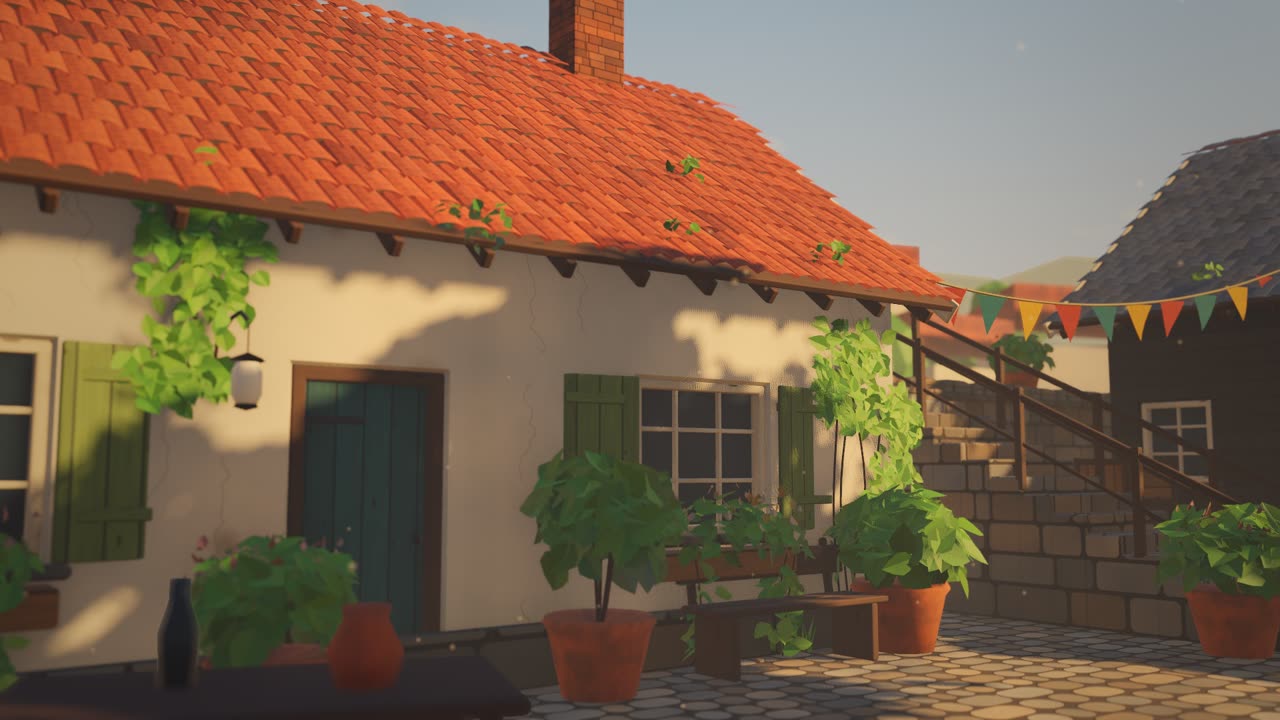
Sketch to Styled 3D Scene
Have your agent read a hand sketch of a place into a measured layout, build it in three.js, and show the same scene in sunlit, painted and night looks.
Analog Horror Short
Have your agent make a 20 to 60 second found-footage horror short entirely in code, with a handheld camera, worn VHS tape, dread sound and a safety check.
Self-Building 3D Construction
Have your agent make a 15 to 40 second three.js film in which a building or an object puts itself together in a believable order, then circles the finished piece.