
About this skill
A long build with nobody watching fails in three ways: the game cannot be finished, it looks unfinished, or the run never ends. This skill puts a check in front of each. The agent writes a one-page design doc and a milestone plan where every milestone ends in a command. A bot then walks a route through the real page with Playwright after each change and reports objectives completed, time stuck, falls through the floor and frame time, and replays its own inputs to prove the rules repeat. Screenshots from that run go to a reviewer who has not seen the build and scores seven questions against a written bar. A ledger of what each milestone cost says when to cut scope, fall back or ship. The kit has a first-person controller with pointer lock, keys and a touch stick, interaction prompts, an objective HUD, shapes, canvas textures with normal maps, wet materials, weather, synthesized sound and a lens pass with fog, lamp glow and bloom.
You say
Using this skill, build a short first-person game where I restore power to a night-time greenhouse on a hillside: find three valves, open them in order and start the pump, with fog and rain. No asset files. Stop at 40 dollars, and give me a 20-second gameplay clip with sound.
How it works
- Tell your agent the game in a sentence, the budget, and anything it must not include.
- It writes a one-page design doc and a milestone plan, then the rules alone, and runs a bot against them in Node until the route can be walked.
- It builds the world from the same numbers, and after every change the bot plays the real page and reports what stopped it.
- A fresh reviewer scores the screenshots, the ledger decides whether to go on, and the recorder turns the bot's run into an MP4.
Getting a good result
- Order milestones playable first, pretty last, so every passing milestone is a smaller game you could ship.
- Keep the level's sizes in one file that both the rules and the picture read. Then a wall you see is a wall you hit.
- Never raise a limit to pass the playtest. Fix the game, or cut the thing that fails.
What you get
- A design doc template and a milestone plan with acceptance tests, optional extras and a written fallback for each milestone
- A playtest bot that plays your game through Playwright along a route and reports objectives, stuck time, falls, frame time and a replay check
- A screenshot critic: a brief for a fresh reviewer, seven questions, and a checker that rejects scores with no evidence
- A spend ledger with stop rules that print CONTINUE, CUT_SCOPE, FALL_BACK, SHIP or DONE
- A first-person kit: fixed-step movement on stairs and floors, pointer lock, WASD and a touch stick, hold-to-use prompts and an objective HUD
- Code-only art: lathes, bevelled boxes and spiral stairs, canvas textures with normal maps, wet ground, rain, mist, a fog and bloom lens, and WebAudio sound
- A frame-exact gameplay recorder with the sound mixed from the run, and Gannet Rock, a complete example game
Good fit
- Leaving an agent to build a small 3D game overnight and finding something playable in the morning
- First-person walking, puzzle and exploration games that load from one folder with no asset files
- Checking a 3D web game you already have with a bot and a second pair of eyes
Not for
- Large games, multiplayer, or anything that needs an engine such as Unity or Godot
- Photoreal scenes from scanned or downloaded assets: everything here is made in code and reads as stylised
- A small arcade game with a beat-cut trailer, which Browser Game Trailer covers
How to install it
- Download the ZIP and unzip it.
- Move the folder holding
SKILL.mdinto your agent's skills folder, such as~/.claude/skills/for Claude Code. - Start a new session and ask for what you want to make.
Needs: An agent that reads skills and can work for a long stretch, Node.js 20 or later, three.js (loaded from a CDN) and Playwright with Chromium, or Chrome, ffmpeg.
Popular on X
Posts showing demand for this kind of video. Unless a post names this tool, it wasn't made with it.
- A first-person browser game Claude Fable 5.2 built alone, with every model, sound and texture made in code 4,366,282 views on X, measured 13 November 2026
FAQ
What does it cost?
$2.99 once for this skill, or $99 once for every skill in the library. It also comes with every paid AdAnt plan, from $15 a month. It runs on your own computer and uses no AdAnt credits.
Can I use it in commercial work?
Yes. The skill's code is MIT licensed: use it and what it makes in your own commercial work, including for clients, and keep the license file with any copy you pass on.
Does it only make lighthouse games?
No. The harness works for any first-person game you want: the bot, the critic, the ledger and the recorder read a small contract that any game on the kit meets. The example is a lighthouse because an example has to be something. It has no weapons and nothing to hurt, and the skill tells your agent to keep to what you ask for.
How long and how much does a build take?
That depends on your model and on how big the game is, so the skill has you set the budget, in dollars, output tokens, minutes or turns, before the run starts. The ledger then holds the run to it: it cuts a milestone's extras when it overruns, takes the written fallback after three identical failures, and ships the last passing build when only the reserve is left. The example on this page used about 48 tool-using turns.
What does the bot check that a test would not?
It plays. It walks the route in the real page reading only what the game reports, turns its head at a human rate, holds the use key on each objective, and fails with the place and the likely cause: pushed forward without moving for 1.4 seconds at a spot, fell out of the world, the prompt never appeared. Its inputs are then replayed from a fresh game, which catches rules that read the clock.
Why does a second reviewer judge the screenshots?
The agent that built the game sees what it meant to build. A reviewer started from nothing, given only the pictures and one sentence, sees what is there. On the example the first fresh review scored 3.43 out of 5 and failed it, and the second, after fixes, scored 3.71 and passed.
How is this different from Browser Game Trailer?
Browser Game Trailer makes a small arcade game in one file and cuts a beat-timed highlight trailer of it. This skill is for a first-person 3D world with objectives, and most of it is the harness that lets an agent build one alone: milestones, the playing bot, the critic and the stop rules.
Did the people whose posts are linked write this skill?
No. AdAnt saw a post about a first-person browser game that Claude Fable 5.2 built alone, then wrote this skill, its kit, its scripts and its example from scratch. Nothing from the post or its game is copied, and its author did not write or review it. The game and the clip on this page were built by Claude Fable 5.2 with this skill.
Related skills
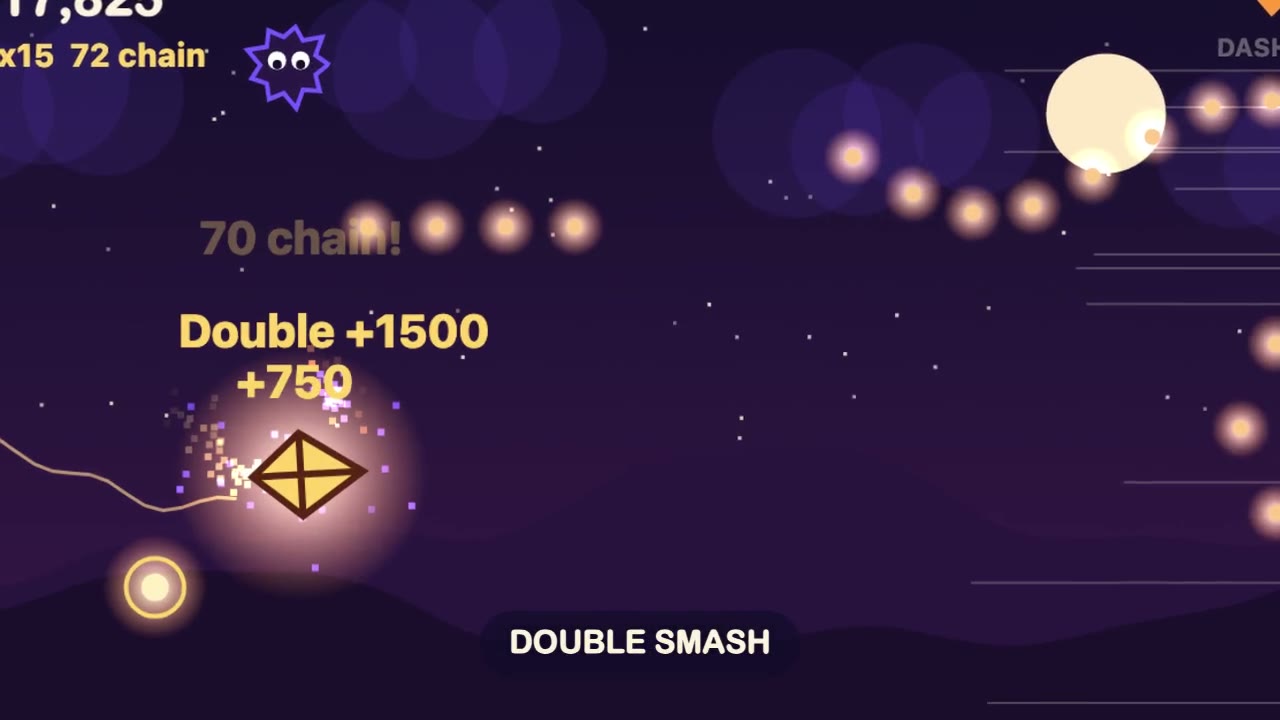
Browser Game Trailer
Have your agent build a small game that plays in a browser tab, then play it with scripted inputs and cut a 15 to 30 second gameplay trailer from its best moments.
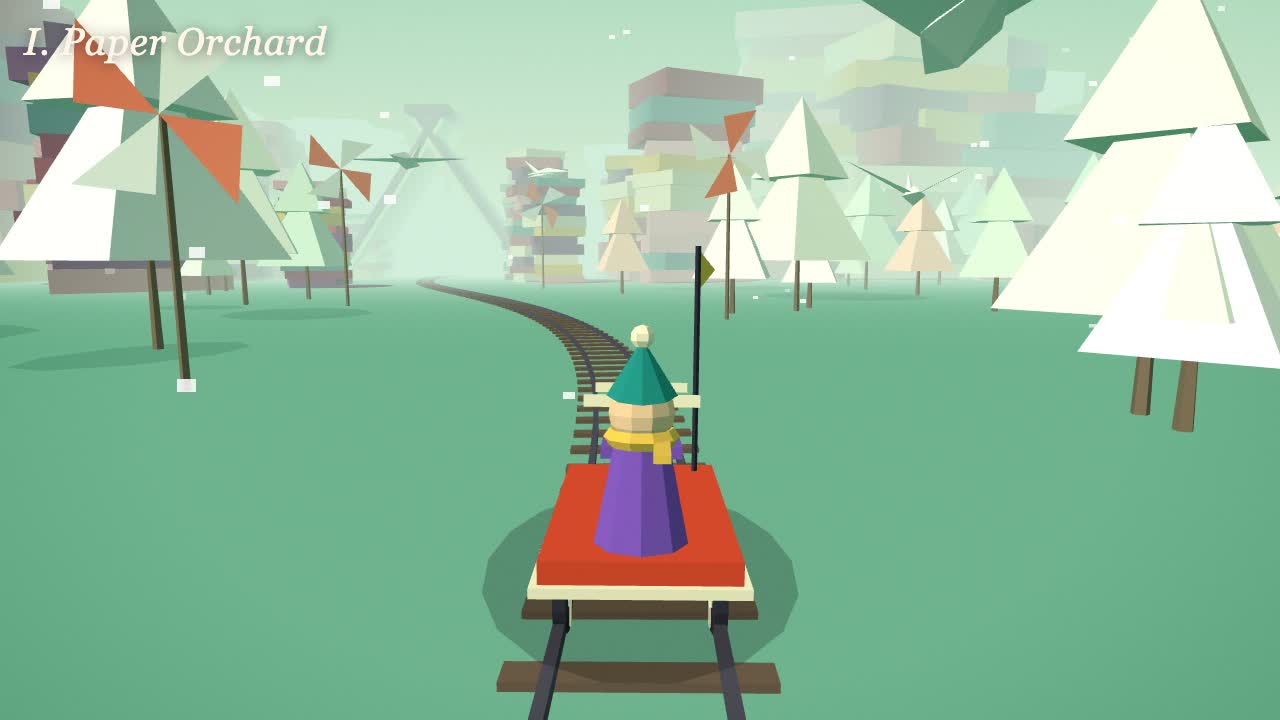
Dreamlike Voyage Browser Game
Have your agent build a calm ride through several invented worlds in three.js that plays in a browser tab and on a phone, check it, and record a clip of it.
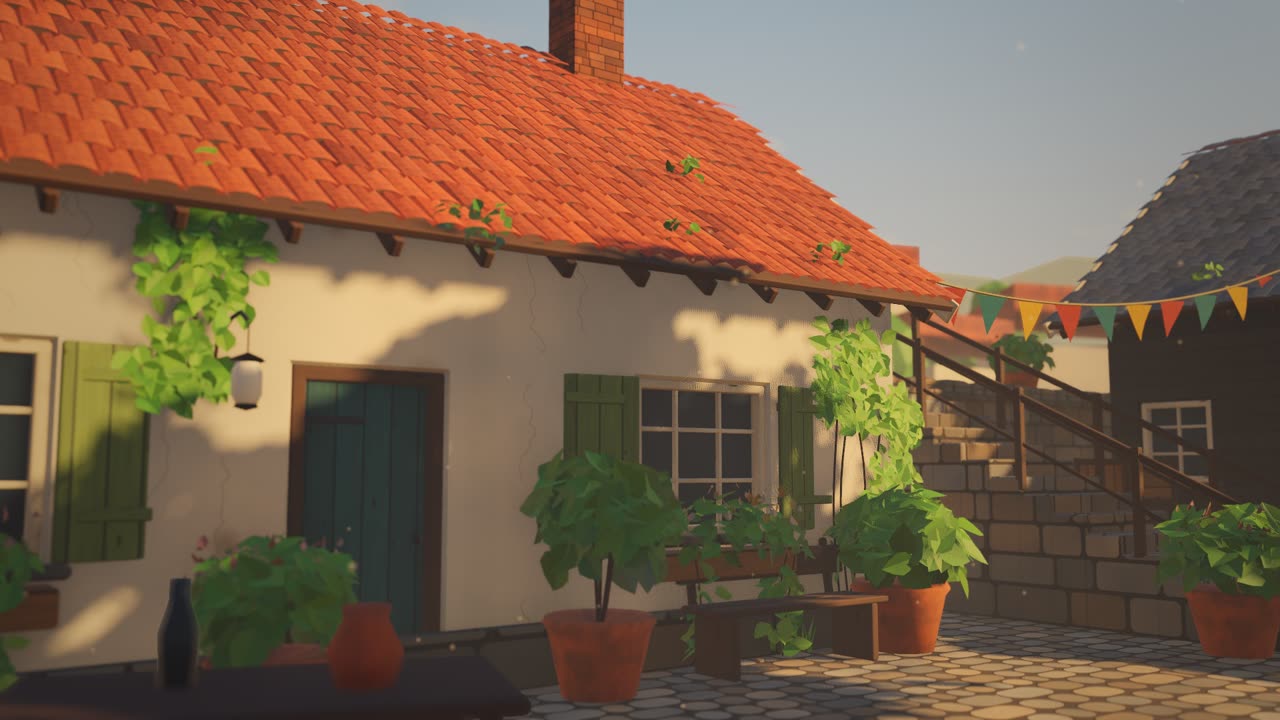
Sketch to Styled 3D Scene
Have your agent read a hand sketch of a place into a measured layout, build it in three.js, and show the same scene in sunlit, painted and night looks.

Cursor Playground Hero
Have your agent build a hero section visitors play with, on small simulations that behave the same on every screen and never blow up.

Storybook Feature-Film Look
Have your agent give a three.js film the look of a finished animated feature, then sample random frames and fix them until every one passes a written reject list.
JavaScript Animation: Every Frame Drawn in Code
Have your agent draw a short film on an HTML canvas, write its music in code, and render an MP4 with no assets.

Scroll-Posed 3D Product
Have your agent build a page where one 3D product holds the centre while the scroll poses it, section by section, until it docks into the buy box.

Shader Reveal Site
Have your agent build a page where the pointer or the scroll uncovers a second picture through a shader, then measure the trail, the GPU and every fallback in Chrome.
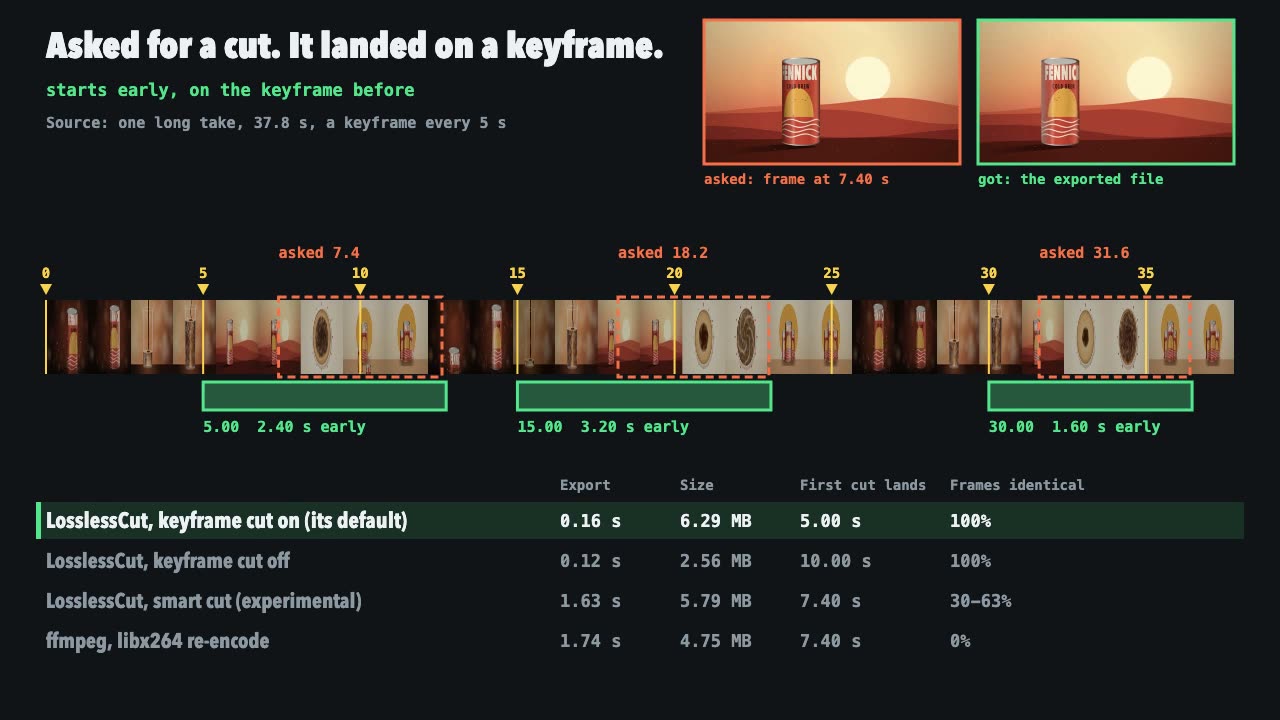
LosslessCut Trims
Cut long recordings fast without re-encoding, and measure where each cut really landed.
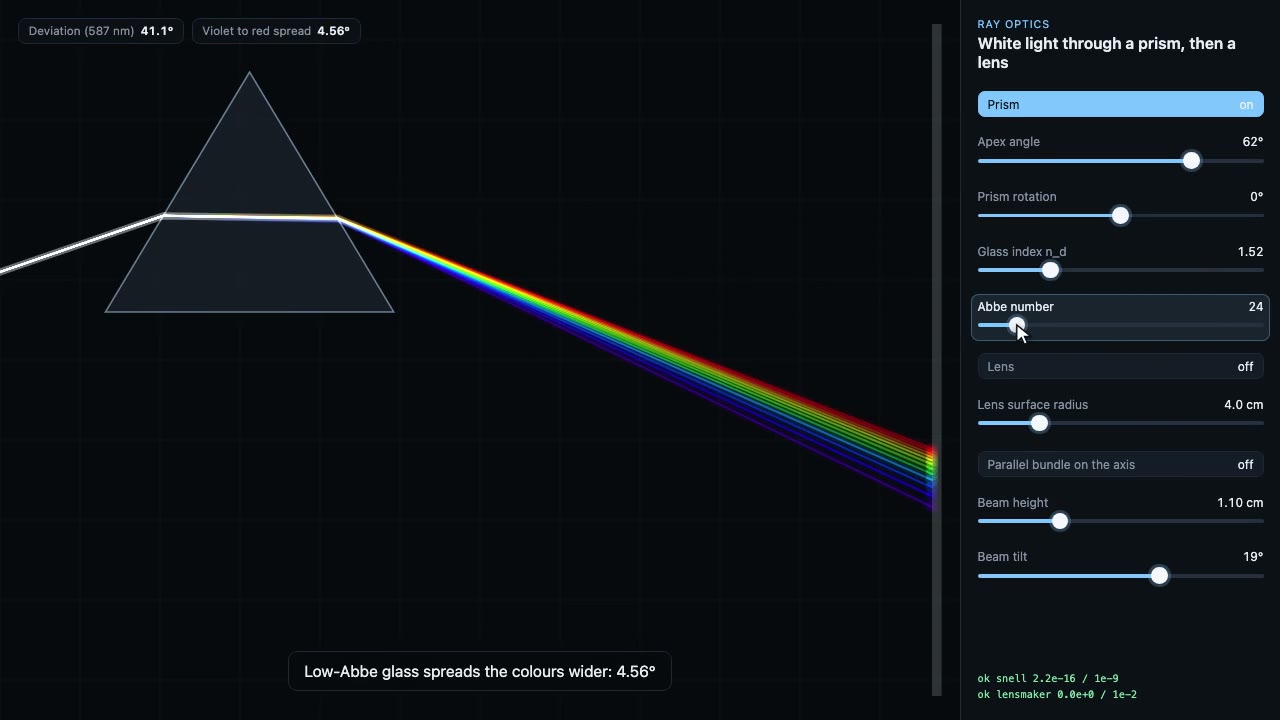
Science Simulation Lab
Build a live science sandbox with sliders, then record a scripted walk-through of it as a frame-exact MP4, with the physics checked on every frame.
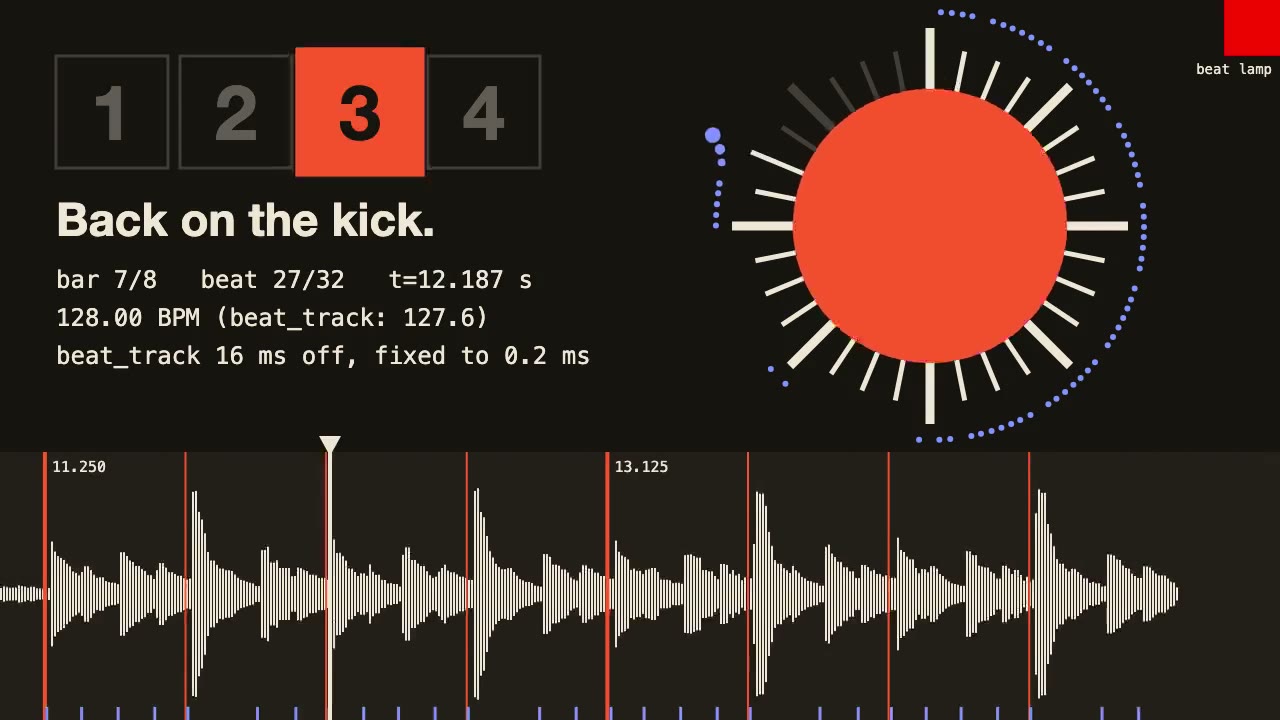
librosa Beat Sync
Measure a track's beats with librosa, drive an animation from the JSON it writes, and prove the sync by measuring the video.

Procedural Dragon Film
Have your agent build a long-bodied creature in three.js from numbers alone, fly it through a storm-lit landscape and render a frame-exact film with sound.