
About this skill
Products sit on something you take hold of: a belt that loops along a curve, a queue that sharpens as each item comes forward with a rail moving in step, a turning platter, or an endless table of things at different depths. You drag it, let go, and it carries on and lands on an item; opening one brings up a product sheet, and the cart waits in a drawer that peeks from the bottom edge. The agent starts from a brief with the products as data, the layout and its numbers, the feel of the throw and the sheet's fields, builds the plain grid first (the page without JavaScript and with reduced motion), then mounts the drag engine and the layout. A Playwright script throws the gallery and times it to rest, looks for items that jump on screen at the wrap, works the arrow keys, Enter and Escape, the cart and its drawer, times frames while dragging, drags by touch at 390 px, and reloads with reduced motion and without JavaScript.
You say
Using this skill, ask me the brief's questions for my print shop, then build a table I can pan in any direction with the prints at different depths, a product sheet and a cart drawer. Run the drag check and show me the phone and reduced-motion screenshots.
How it works
- Your agent asks the brief's questions: the products as data, the layout and its numbers, the feel of a throw, what opening shows and what the cart does.
- It builds the plain grid first, which is the page without JavaScript and with reduced motion, then mounts the drag engine and fills in the layout.
- It adds the product sheet, the cart drawer and the extras, each of which stops drawing when it settles.
- It runs the drag check for every layout, reads the report and the screenshots, fixes what failed, and records a preview clip.
Getting a good result
- Choose the landing item when the pointer lets go, not after the gallery stops: one glide, no second correction.
- Give every picture the same baseline and margin. Mismatched crops look broken however good the motion is.
- Keep the position out of your framework's state. Write transforms straight to the elements, and only when they change.
What you get
- A brief format with a field for every choice the model would otherwise guess, and a filled example
- A drag engine as small ES modules: release velocity, inertia that lands on an item, wrap-around, keyboard and touch, and four layouts
- A product sheet that flies from the card, a cart kept as data, a drawer that peeks from the edge, and split-flap captions
- A working example shop: twelve cups painted on canvas, on a belt, in a queue, on a platter and across a table
- A Playwright check for inertia, rest, a visible wrap, the rail, keys, focus, the cart drawer, frame times, touch, reduced motion and no JavaScript, and a clip recorder
Good fit
- Small catalogues of objects worth looking at one by one: ceramics, prints, records, shoes, bottles
- Launches and lookbooks where browsing is the point
- Agents that write front-end code and can run Node and a browser
Not for
- Large catalogues people search and filter; a grid with search serves them better
- Pages that should move with their scroll; use the scroll-driven site skill
- Products without consistent cut-out pictures, which look broken on a moving shelf
How to install it
- Download the ZIP and unzip it.
- Move the folder holding
SKILL.mdinto your agent's skills folder, such as~/.claude/skills/for Claude Code. - Start a new session and ask for what you want to make.
Needs: An agent that reads skills, Node 20 or later and Playwright with Chrome, for the check and the recorder, ffmpeg, only to record the preview clip.
Popular on X
Posts showing demand for this kind of video. Unless a post names this tool, it wasn't made with it.
- A post listing five UI and UX sites for builders, this library among them 98,508 views on X, measured 8 November 2026
FAQ
What does it cost?
$2.99 once for this skill, or $99 once for every skill in the library. It also comes with every paid AdAnt plan, from $15 a month. It runs on your own computer and uses no AdAnt credits.
Can I use it in commercial work?
Yes. The skill's code is MIT licensed: use it and what it makes in your own commercial work, including for clients, and keep the license file with any copy you pass on.
Does it need a carousel library?
No. The drag engine is about 1,240 lines of plain, commented ES modules in the ZIP, with no dependencies, and the example site loads no script from anywhere else. Its only outside requests are three Google Fonts families under the Open Font License. The skill explains each part, so it can also be rebuilt on top of a library the project already uses.
How smooth is the example?
In headless Chrome on an Apple M-series laptop, a throw at about 1,900 pixels a second came to rest in 1.63 to 1.76 seconds across the four layouts, landing exactly on an item, and nothing was written to the page in the second after that. While dragging, the 95th-percentile frame time was 17.0 to 17.6 ms with no long tasks, and 17.4 ms on a 60-item table built from the same templates. No item jumped on screen when the belt, the queue or the platter looped, the queue's rail kept step in every moving frame, and at 390 px wide nothing scrolled sideways. Headless frame times are a guide rather than a reading of a real screen.
Does it work with React and Next.js?
Yes. The engine mounts in an effect on a ref and its destroy function removes every listener, so it survives Strict Mode. The position never goes into React state, which is the usual cause of a stuttering carousel. The server renders the plain grid, which is also the page without JavaScript.
Is this the site that inspired it?
No. The idea comes from a library of scroll-driven website prompts, linked on this page, whose prompts are only for its members. AdAnt wrote this skill, its engine, scripts and example shop without them, and the library's makers did not write or review it. The clip on this page is AdAnt's example shop, recorded with this skill's script.
Can I use what it makes commercially?
Yes. The shops you build are yours. The engine, scripts and example are MIT, and the license text is in the ZIP.
Related skills
Cursor-Gaze Character
Have your agent build a landing page whose character turns its head to follow the pointer, from frames it renders once, then measure it in Chrome.
Scroll-Driven Site
Have your agent build a landing page where scrolling pins, scrubs and reveals each scene, then measure it in a real browser.

Cinematic Video Hero
Have your agent build a one-screen hero from footage and type, with a freeze frame, text behind the subject and a loop, then measure it in a real browser.
Shader Reveal Site
Have your agent build a page where the pointer or the scroll uncovers a second picture through a shader, then measure the trail, the GPU and every fallback in Chrome.
Motion UI Animation
Build UI animation with springs, layout transitions and gestures from one written motion language, with a linter that catches drift.
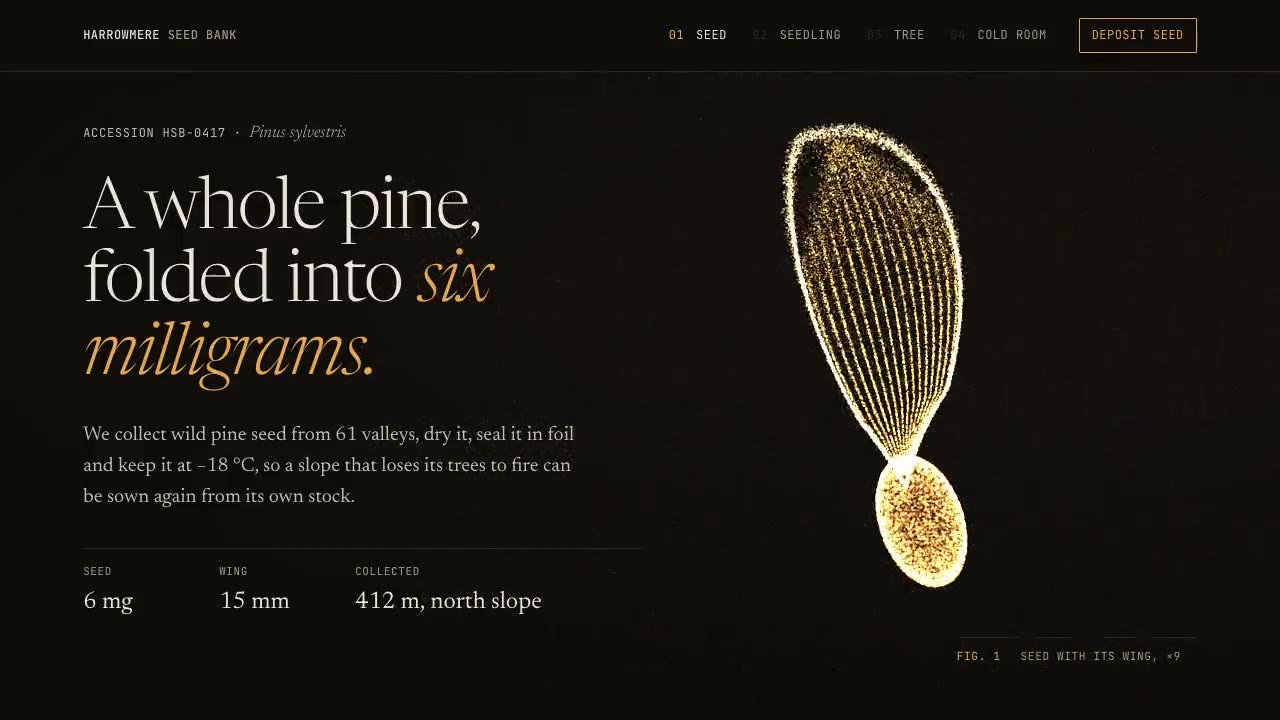
Particle Form Hero
Have your agent build a hero where GPU particles settle into your shape, morph to the next as the page scrolls, and part around the pointer.
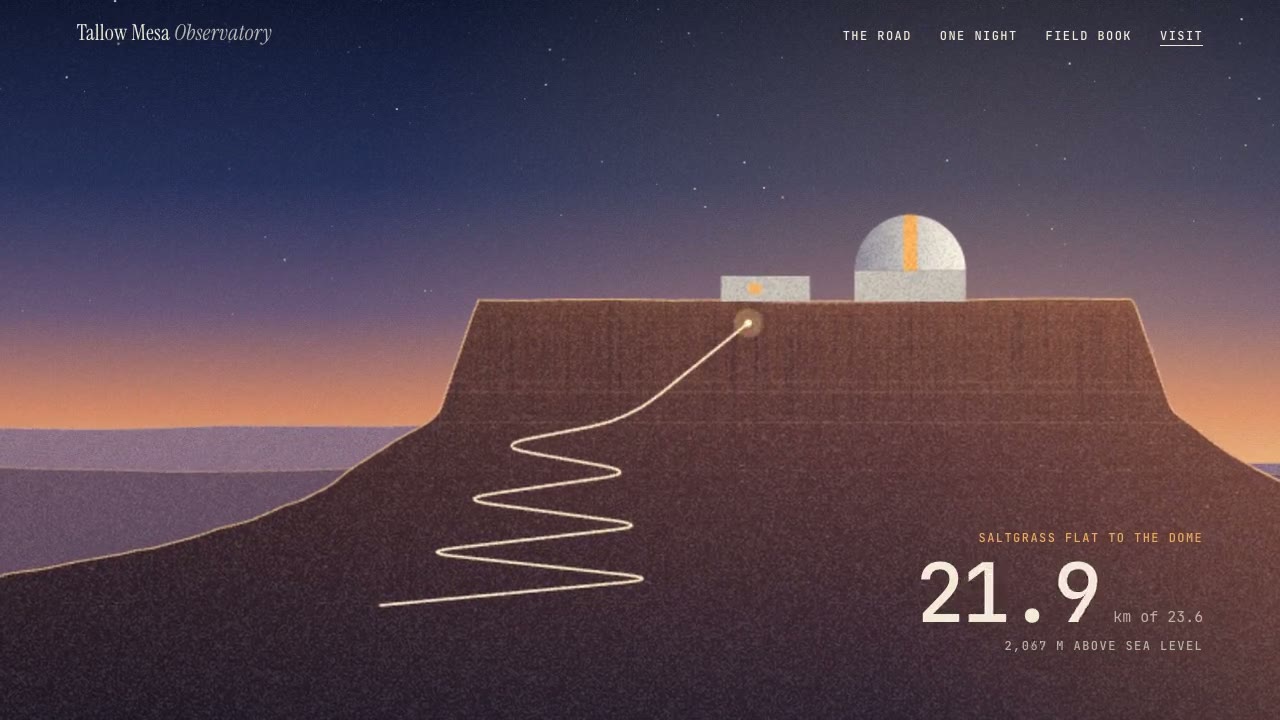
Parallax Plates Site
Have your agent split one picture into depth plates and build a page that flies through them on scroll, then prove in Chrome that no plate edge ever shows.
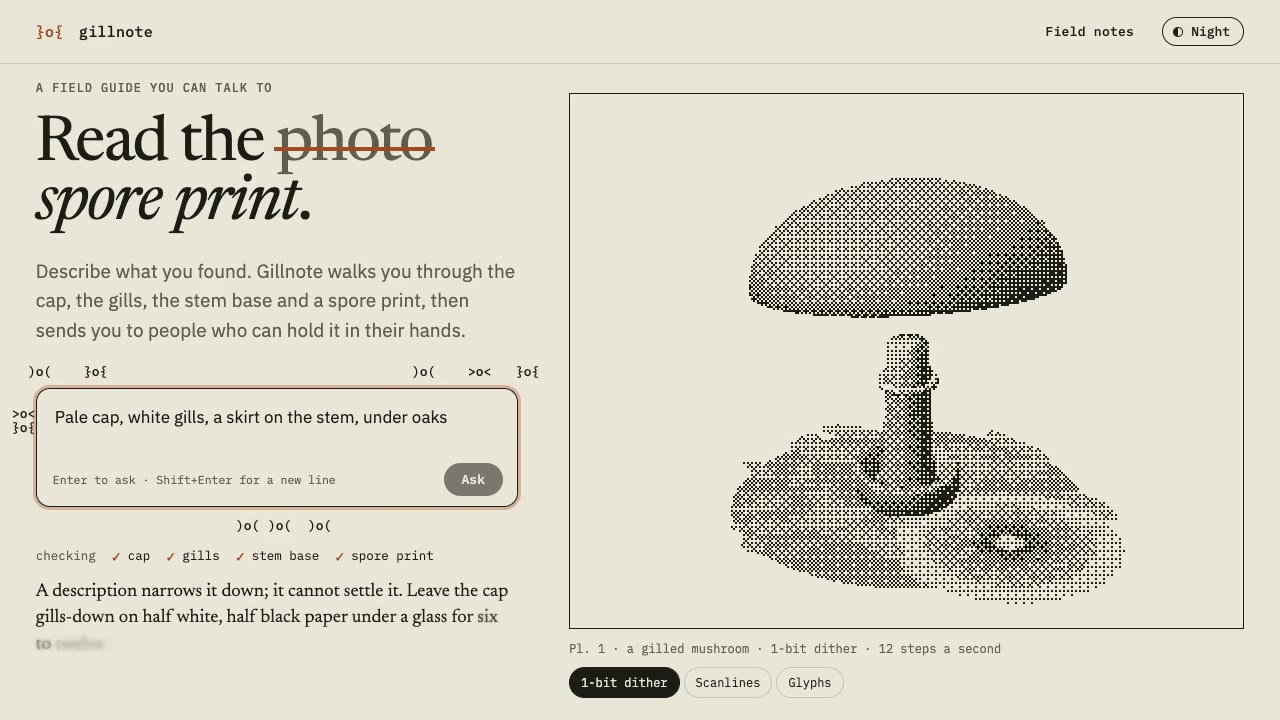
Dither & Glyph Hero
Have your agent build a hero that draws a live 3D scene in two inks, as dither, scanlines or glyphs, around an AI prompt, then check it in Chrome.
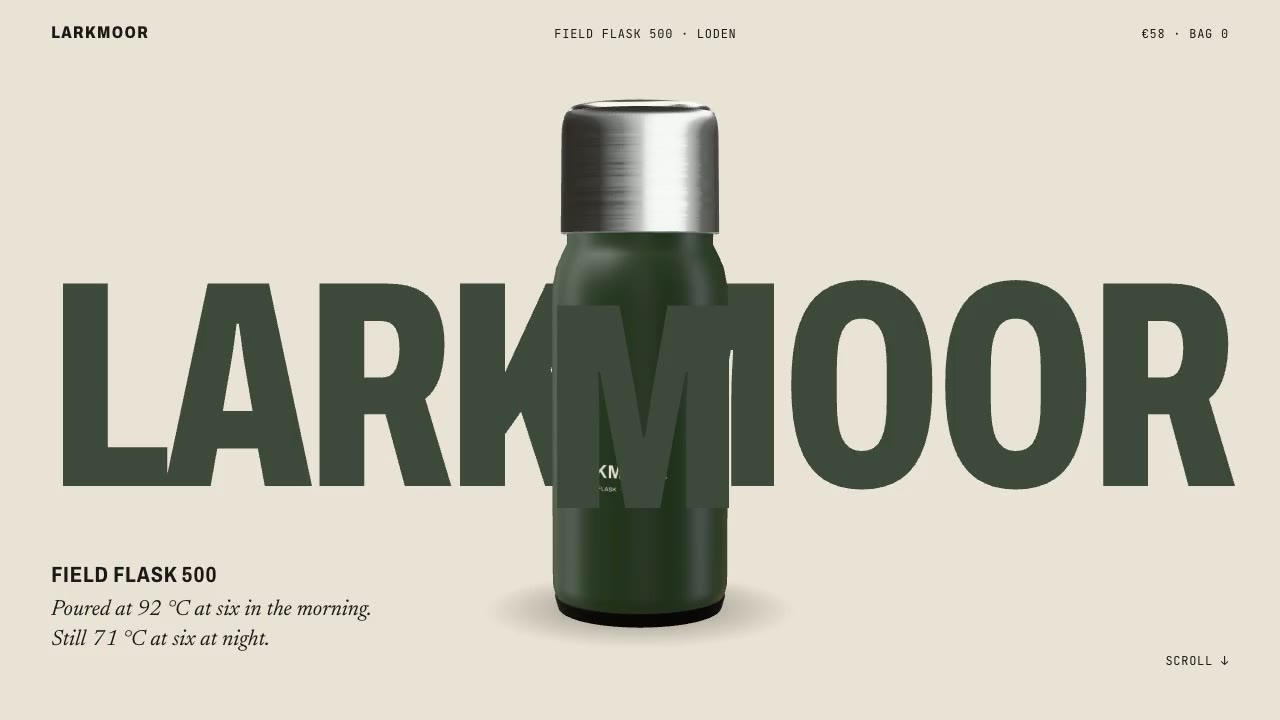
Scroll-Posed 3D Product
Have your agent build a page where one 3D product holds the centre while the scroll poses it, section by section, until it docks into the buy box.
Scroll-Scrubbed Film Site
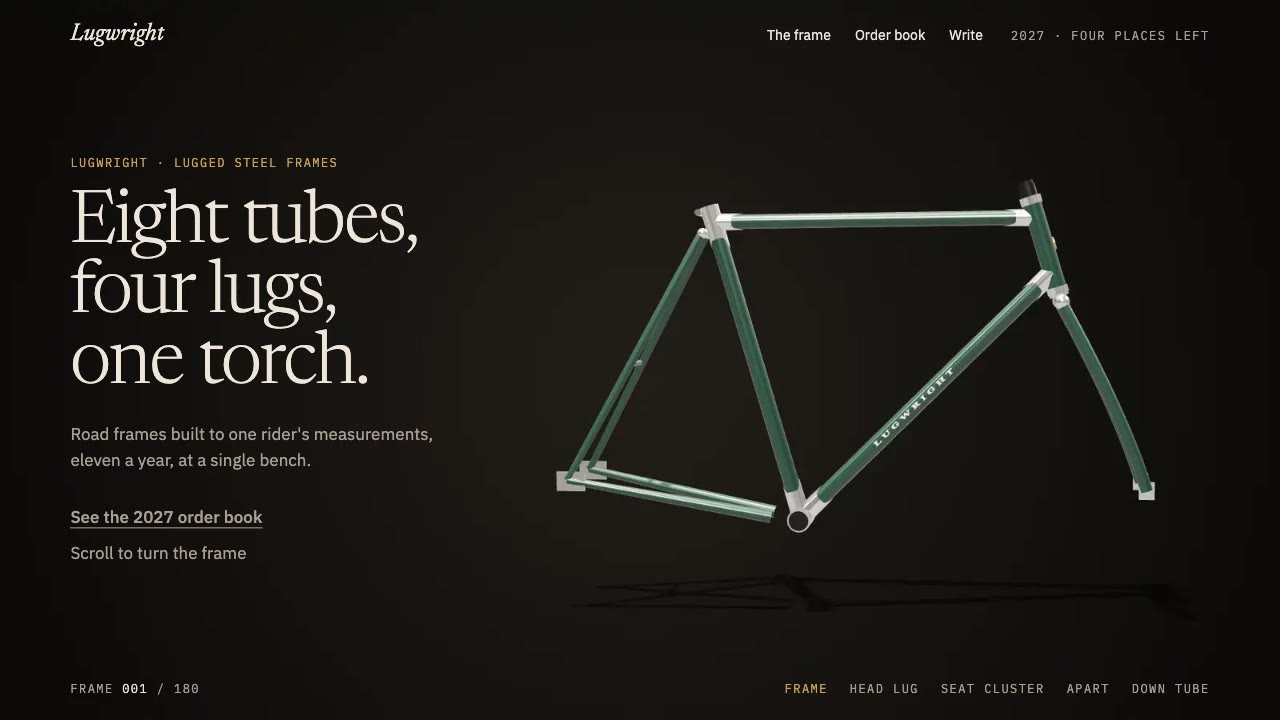
Have your agent build a landing page where scrolling plays a film frame by frame, with chapters, callouts and a preloader, then check it in Chrome.

Footage Landing Page
Have your agent build a full landing page under a looping footage hero, every word in one content file, then check it in Chrome.
Cursor Playground Hero
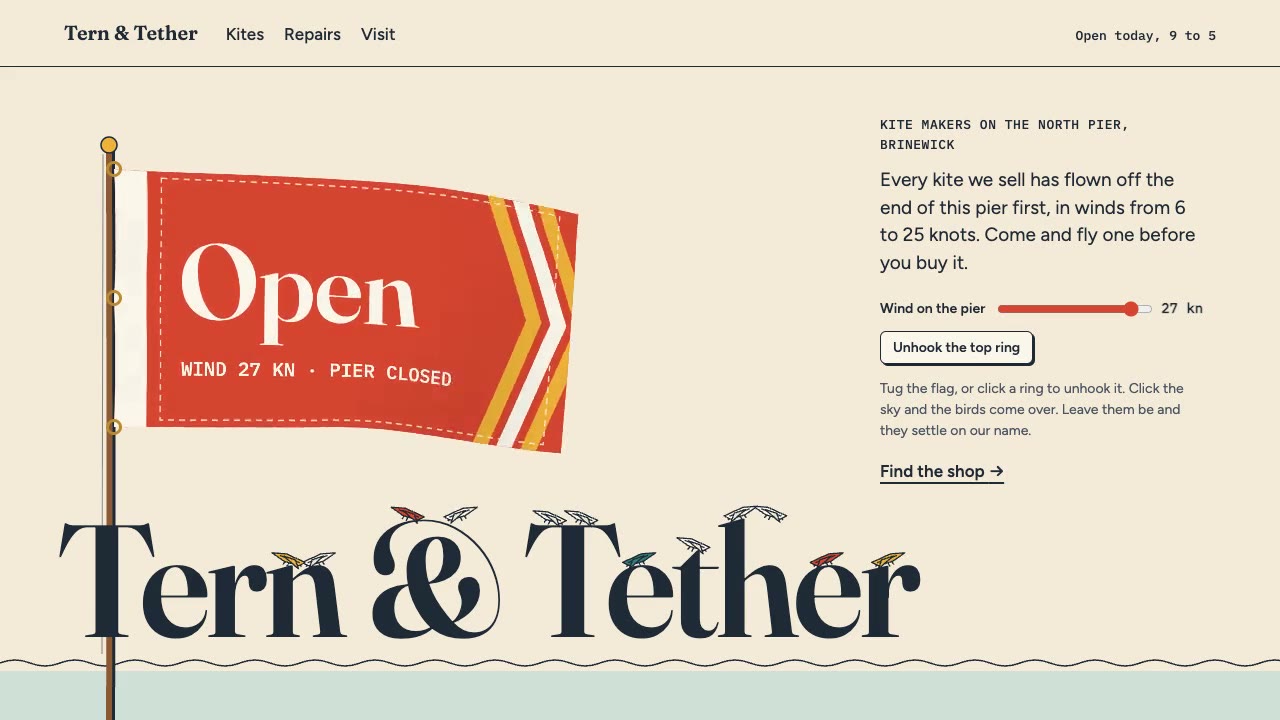
Have your agent build a hero section visitors play with, on small simulations that behave the same on every screen and never blow up.