
About this skill
This skill animates one character's performance from code: a dance to a beat, a walk or a trot across the frame, a routine of hits and poses. The character is a JSON rig of bones with lengths and joint limits, two-bone IK legs, and springy bones and cloth that follow through on their own. The performance is a move sheet that places keyed moves on a beat grid, with anticipation, squash and stretch, and arcs built into the moves. Planted feet are locked to the floor while the body moves over them. Before anything renders, a checker measures every frame and fails feet that slide, joints bent past their limits, limbs that stretch, and steps or hits that miss the beat. The renderer draws each frame from its number and encodes an MP4 with a beat the skill synthesizes, or with your own track after a check that it sits on the grid. The bundle includes the dancer on this page and a four-legged critter, both originals.
You say
Make a 15-second clip of an original character dancing to a 120 bpm house beat: a groove, side steps both ways, a jump and a final pose. Keep the feet planted, put every hit on the beat, and show me the poses before you render.
How it works
- Pick or design an original character as a rig, then list the moves bar by bar on a beat grid.
- Your agent writes the move sheet and runs the checker until no foot slides, no joint breaks its limits and every hit lands on the beat.
- It renders a sheet of the poses on each beat and debug stills, and fixes any pose that doesn't read.
- It renders the MP4 with the synthesized beat or your own track, and you watch it at full speed and frame by frame.
Getting a good result
- Dip before every jump and wind up before every hit. Anticipation is what makes the beat land.
- Key the body only. The head, hands, scarf and tail follow on springs and look better than hand keys.
- When a foot slides, lower the hips or lift and re-plant the foot. Never loosen the check to pass.
What you get
- A rig format with bone lengths, joint limits, IK legs, follow-through springs and cloth chains, and two original characters
- A library of 13 dance moves and gaits, and a move sheet that places them on a beat grid
- Two-bone IK with foot locking, so planted feet stay still while the body moves
- A beat synthesizer, and a renderer that draws each frame in headless Chromium and encodes an MP4 with ffmpeg
- A checker that fails sliding feet, feet off the floor, joints past their limits, stretching limbs and moves off the beat, plus a timing check for your own music
Good fit
- Dance and walk clips of characters you own, for social posts, app intros and music
- Developers who want animation they can review as a file and render again exactly
- Creature gaits for games and explainers
Not for
- Recreating a famous character, a mascot or a real dancer's routine
- 3D characters, three.js scenes or motion capture
- Dialogue scenes with lip sync
How to install it
- Download the ZIP and unzip it.
- Move the folder holding
SKILL.mdinto your agent's skills folder, such as~/.claude/skills/for Claude Code. - Start a new session and ask for what you want to make.
Needs: An agent that reads skills, Node.js 20 or later, Playwright with Chromium, for rendering, ffmpeg.
Popular on X
Posts showing demand for this kind of video. Unless a post names this tool, it wasn't made with it.
- Hero characters animated in plain JavaScript with Fable 5.5 69,177 views on X, measured 11 November 2026
- A sword fighter's routine animated in JavaScript with Opus 5.5 473 views on X, measured 11 November 2026
- A cow animated from code and physics with Opus 5.5 287 views on X, measured 11 November 2026
FAQ
What does it cost?
$2.99 once for this skill, or $99 once for every skill in the library. It also comes with every paid AdAnt plan, from $15 a month. It runs on your own computer and uses no AdAnt credits.
Can I use it in commercial work?
Yes. The skill's code is MIT licensed: use it and what it makes in your own commercial work, including for clients, and keep the license file with any copy you pass on.
How does it keep the feet from sliding?
A planted foot is locked to its spot on the floor, and the IK reaches for that spot on every frame while the body dips, leans or travels. The checker then measures the ankle that is actually drawn and fails anything over 1 pixel. Limbs never stretch to cover a gap, so a body that moves out of reach shows up as a failure instead of a rubbery leg.
Can I use my own music?
Yes, as a WAV you own or have a licence for. Give the bpm and the time of the first downbeat, and the checker finds the music's onsets, says how many milliseconds to move the grid, and fails if the timing drifts, which means the bpm is wrong. Without a track, the skill synthesizes a beat on the same grid.
Does it work for animals and creatures?
Yes. A move can be a gait instead of keyed steps: give the stride, how long each foot stays down and when each leg lifts, and the engine places every footfall. The bundle has a four-legged critter with a walk, a trot, a bow and a hop, and the gait notes cover pacing, bounding, galloping and six-legged walks.
How is it different from Three.js Animation or Animation Character?
Animation Character designs a character that stays consistent across images, and Three.js Animation builds animated three.js scenes. This skill animates one character's performance on a 2D rig, seen from the front or the side, and checks the feet, joints and timing. It is 2D only, with no three.js or 3D path.
Did the creators of the posts on this page write this skill?
No. The idea comes from popular posts, linked on this page, in which agents animated characters entirely in code. The posts share no code, so AdAnt wrote this skill, its characters and its music, and the creators did not write or review it. The clip on this page was made by AdAnt with this skill.
Related skills

Code-Rendered 3D Animated Short
Have your agent write a tiny wordless story, build its characters and set in three.js, shoot it from a shot list, score it and render a frame-exact MP4.
Kinetic Type Film
Make a launch film of big words cut to the beat, with real motion blur, synthesized music and measured sync.
Science Simulation Lab
Build a live science sandbox with sliders, then record a scripted walk-through of it as a frame-exact MP4, with the physics checked on every frame.
Pixel-Art Sprite Film
Have your agent make a 15 to 40 second pixel-art scene in code, with sprites, parallax and a chiptune score, rendered to an MP4 whose pixels stay crisp.

Procedural Dragon Film
Have your agent build a long-bodied creature in three.js from numbers alone, fly it through a storm-lit landscape and render a frame-exact film with sound.
librosa Beat Sync
Measure a track's beats with librosa, drive an animation from the JSON it writes, and prove the sync by measuring the video.
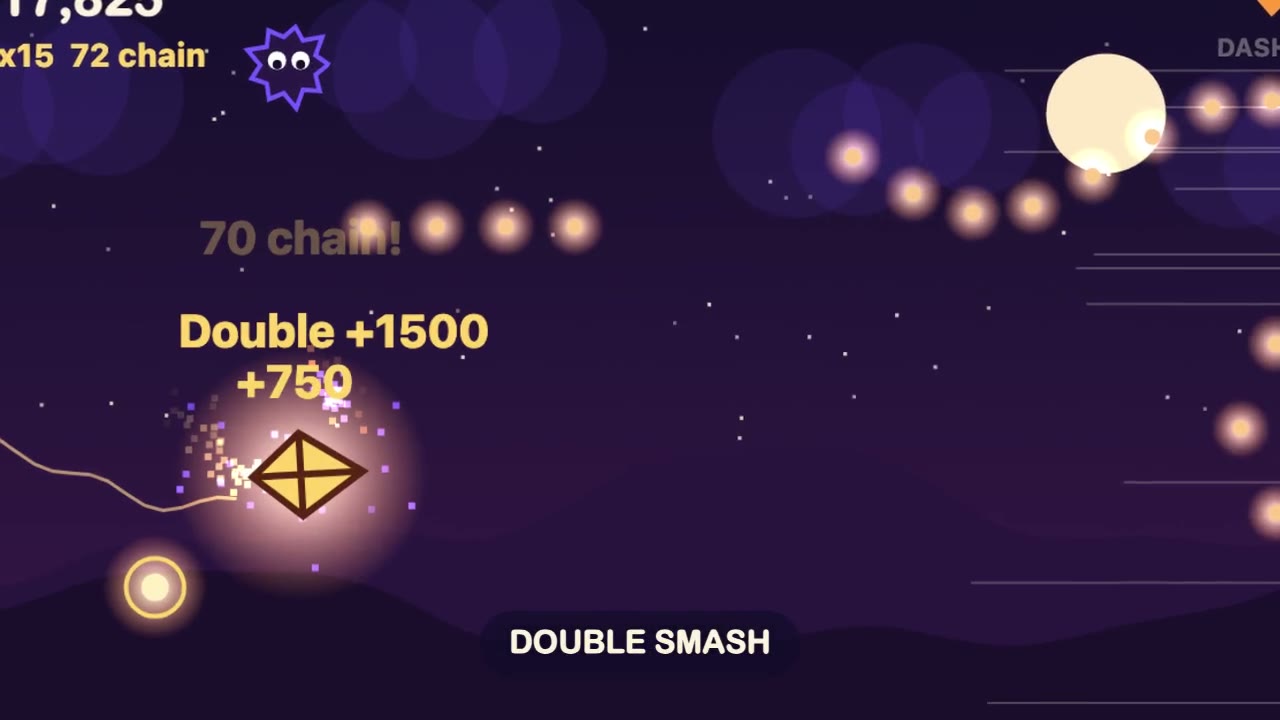
Browser Game Trailer
Have your agent build a small game that plays in a browser tab, then play it with scripted inputs and cut a 15 to 30 second gameplay trailer from its best moments.
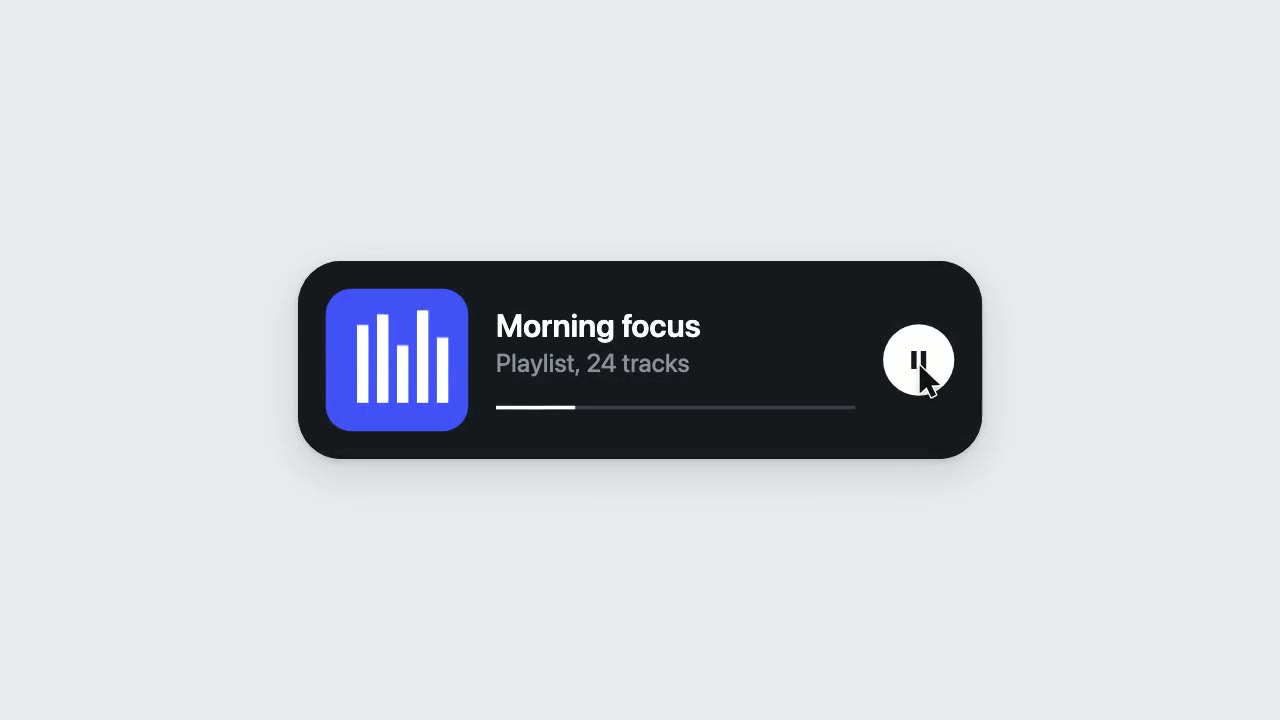
UI Morph Loop
Have your agent make a looping clip where one element turns into a button, toggle, slider, search field, notification and player, with a cursor that clicks and drags to cause each change.
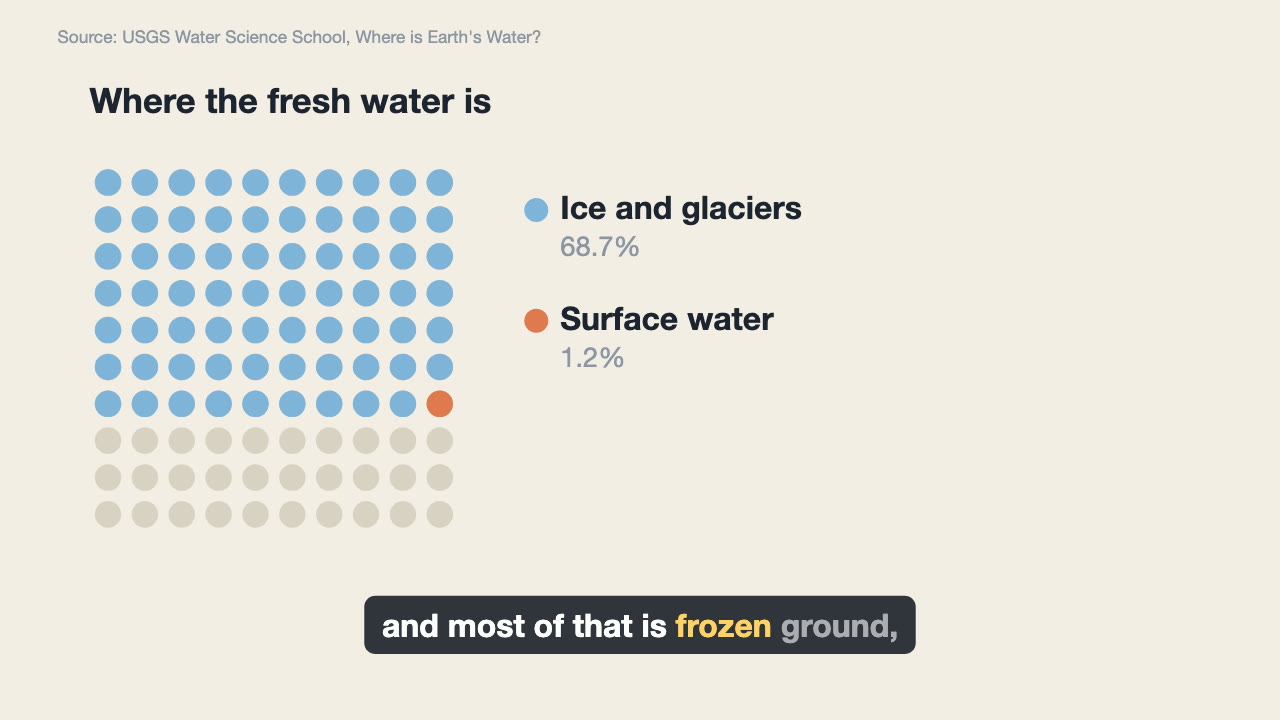
Narrated Explainer Video
Have your agent research a topic, write a script with a source for every figure, voice it, and animate scenes that land on the words that name them.
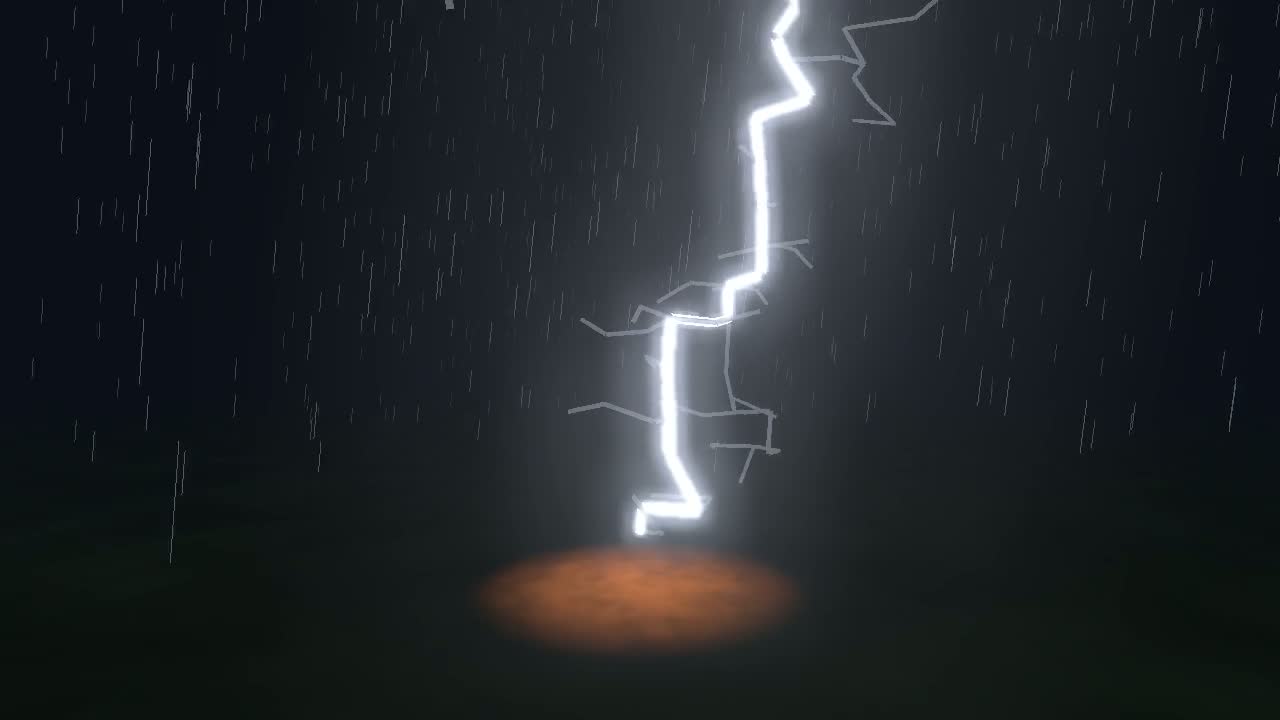
Physics Simulation One-Take Film
Simulate lightning, a crack or a fire front, then ride it in one unbroken camera shot, with sound from the simulation and a flash safety check.
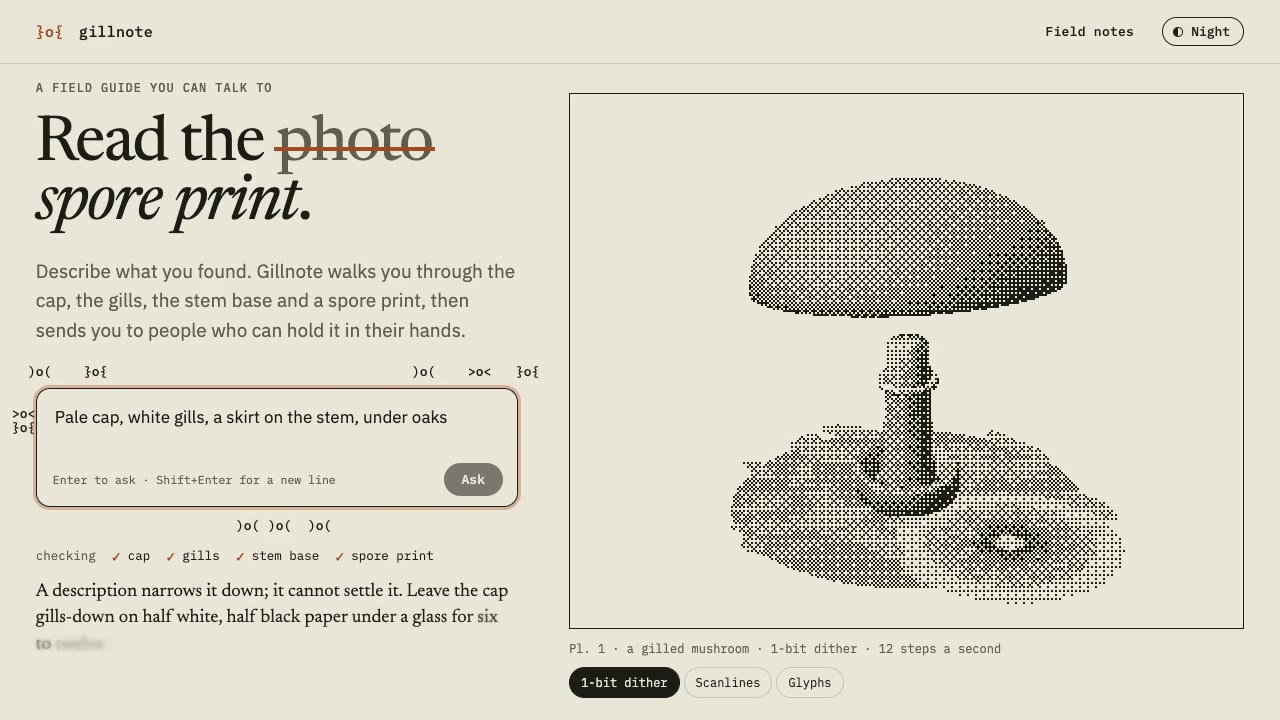
Dither & Glyph Hero
Have your agent build a hero that draws a live 3D scene in two inks, as dither, scanlines or glyphs, around an AI prompt, then check it in Chrome.
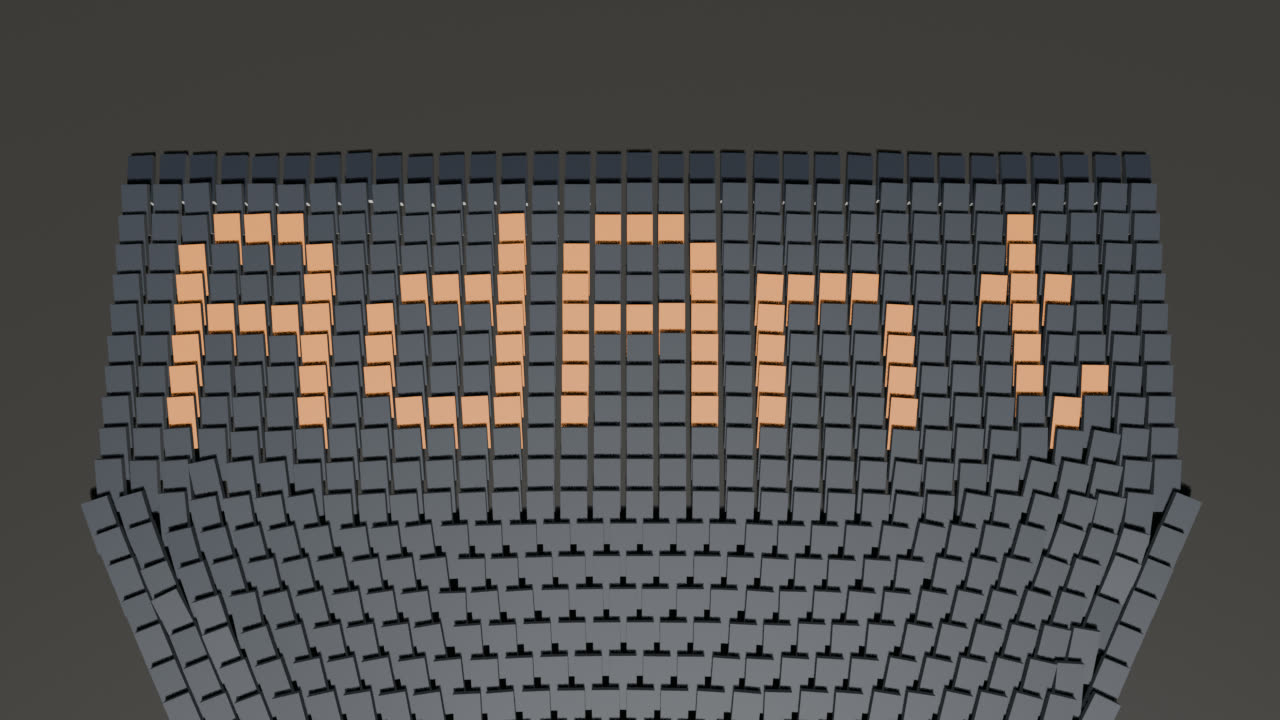
Blender Domino Chain Reaction
Have your agent build, bake and film a Blender domino run whose fallen dominoes spell your word or logo.