
AI tool · Runs on AdAnt
Try Pop-Up Papercraft World on AdAnt
No install and no setup. Describe what you want, and AdAnt's agent makes it with this skill, then opens the project in Studio. Runs use your plan's credits; the amount depends on what you make.
- Describe itEdit the example brief, or write your own.
- AdAnt's agent runs Pop-Up Papercraft WorldIt follows the skill's real recipe and files in the cloud.
- Finish in StudioReview the result, ask for changes, and export.
One plan for every skill · Basic is $15 a month for 60 credits
- Run this skill, and every other one, on AdAnt with no setup
- Download all 90 skills as ZIPs, plus every skill added later
After checkout you come straight back here, with your brief kept, and the run starts.
About this skill
The world is a grid of tiles that goes on for ever and only exists near the walker. A tile picker (wave function collapse with edge labels) solves it one chunk at a time, and decides the paths that cross a chunk's border from the border alone, so the world is the same whichever way you walk. Every tile is a few cards cut in code and hinged at their base. As the walker moves, the tiles ahead stand up one after another on a damped spring that passes upright and settles, and the tiles it has passed lie down flat again. The look is cardstock: pale cut edges, a seeded fibre, ground cut in layers, soft contact shadows and a tilt-shift lens. Each rise makes a flap synthesized with Web Audio, its pitch, loudness and pan taken from the tile, so a run of flaps is a ripple of different notes. The world advances in fixed steps, so a checker can walk it in a browser and count seams, rises, folds and flaps, and a recorder can write a frame-exact MP4 with the same sounds. A text map prints the tiles in Node before anything is dressed.
You say
Using this skill, make an endless pop-up paper world of terraced tea hills: stepped green fields, stone stairs between them, pickers' huts and a little cable car on some hills, walked by a paper goat. Run the checker on my GPU, then record a 12-second clip for our launch post.
How it works
- Tell your agent the place, its four to eight kinds of tile, the walker, the palette and how lively the tiles should feel.
- It writes the tile rules and prints a map, then cuts the cards for each tile in code and places them with seeded choices.
- It sets the spring and how far ahead the world stands, runs the checker on a real GPU and looks at the stills.
- If the look is still off, it runs blind A/B rounds with a fresh critic sub-agent until the critic cannot tell, then records the walk to an MP4 with its sounds.
Getting a good result
- Give every ground type a plain tile with nothing on it. The picker falls back to it rather than fail, and the seams still match.
- Put the key light on the camera's side. Cards lit from behind turn grey and stop reading as paper.
- Keep the fold circle wider than the rise circle, so tiles at the edge do not flap up and down as the walker turns.
What you get
- A tile picker for endless worlds: wave function collapse with edge labels, chunk by chunk, with seams that always match and a fallback that still fits
- Hinged cards on a closed-form spring: rise with overshoot, fold without, retarget mid-move, and a streamer that decides which tiles stand
- A cardstock look: cut edges, world-space fibre, layered contour ground, soft shadows and a tilt-shift lens
- Paper flaps, snaps and a surf bed synthesized with Web Audio, live or rendered offline for a clip
- WASD and click-to-walk controls, a text map of the tiles, a checker for seams, rises and folds, spring, sound, frame time and repeatability, and a frame-exact MP4 recorder
- A blind A/B critic loop run with Claude Code sub-agents, an optional route for Blender tiles, and a complete coastal example world
Good fit
- A small, calm browser world for a launch page, a portfolio or a gift
- A playable map of a product, a campus or a story, built from tiles you design
- Learning wave function collapse and procedural worlds with measurements instead of guesses
Not for
- Games with scores, enemies or goals; the walker explores and nothing is at stake
- A photoreal world, or one built from scanned or modelled scenery
- Recreating an existing game's world, a brand or a real person's likeness
How to install it
- Download the ZIP and unzip it.
- Move the folder holding
SKILL.mdinto your agent's skills folder, such as~/.claude/skills/for Claude Code. - Start a new session and ask for what you want to make.
Needs: An agent that reads skills, Node.js 20 or later, three.js and Playwright, with Google Chrome for frame times on a real GPU, ffmpeg, for the MP4, Blender only if you want modelled tiles; it is optional.
Credits and license
Written and maintained by AdAnt.
The idea comes from An endless pop-up paper world in the browser. This skill does not copy its files.
All code in the ZIP is AdAnt's own, under the MIT license. It uses three.js (MIT) and Playwright (Apache 2.0), which you install yourself. The worlds you make with it are yours.
Popular on X
Posts showing demand for this kind of video. Unless a post names this tool, it wasn't made with it.
- A post of an endless pop-up paper world in the browser, made with Claude Fable 5.2 and Claude Opus 5.5 30,838 views on X, measured 17 November 2026
FAQ
What does it cost?
Try this skill on AdAnt with Basic from $15 a month. Every paid plan includes downloads of the entire skills library while your subscription is active. Running this skill on AdAnt uses your plan’s credits. The downloaded skill can run on your own computer without AdAnt credits; third-party services may charge separately.
Can I use it in commercial work?
Yes. The skill's code is MIT licensed: use it and what it makes in your own commercial work, including for clients, and keep the license file with any copy you pass on.
What does the checker measure in the example?
On the example's 12-second walk it solves 25 chunks (1,600 cells) with 0 mismatched edges and no fallbacks, counts 90 tiles that rose ahead of the walker and 59 that folded flat behind it, measures the spring's overshoot at 23%, finds 149 flaps in the soundtrack across 32 pitch steps, and confirms a frame drawn twice is identical. A frame takes p95 4.5 ms in Chrome on an Apple M4 Pro (4.4 to 4.9 ms over five runs). Those are one machine's frame times; the checker prints yours.
How is this different from Dreamlike Voyage Browser Game?
Dreamlike Voyage Browser Game is a ride along a fixed path through a few designed worlds that blend into one another. Here the world has no end and no designer for each place: a tile picker lays it out from rules as the walker goes, the walker can leave the route with WASD or a click, and everything stands up and folds down around it.
How is it different from One-Shot First-Person Browser Game?
One-Shot First-Person Browser Game builds a game with goals, seen from the eyes, over a long unattended run with milestones and a bot. This one is seen from above like a model on a table, has no goals, and is about the world assembling itself as you walk.
Do I need Blender?
No. Blender is optional: every card in the kit and the example is cut in code. A reference explains how to bring in modelled tiles as glTF with the hinge at each object's origin, if a piece is easier to model than to draw as outlines.
What is the critic loop?
When the numbers pass but the picture is not right yet, a script builds blind pairs of your stills beside reference photos of real paper, a fresh Claude Code sub-agent is asked which side is the real paper in each pair, and another script scores its answers. A round passes when the critic does no better than a coin, which with 12 pairs means 9 right or fewer. The key never goes in the folder the critic sees.
Did the people whose posts are linked write this skill?
No. AdAnt saw a post of an endless pop-up paper world in the browser, made with Claude Fable 5.2 and Claude Opus 5.5, whose code is MIT-licensed at github.com/xikhar/papertrails. This skill, its kit, scripts and example were built by Claude Opus 5.5 for AdAnt from the idea, without copying that code or the prompt the post shared. Its author did not write or review this skill.
Related skills
Dreamlike Voyage Browser Game
Have your agent build a calm ride through several invented worlds in three.js that plays in a browser tab and on a phone, check it, and record a clip of it.
One-Shot First-Person Browser Game
Have your agent build a complete first-person 3D browser game in one long unattended run, with every mesh, texture and sound made in code, and record its gameplay.
Storybook Feature-Film Look
Have your agent give a three.js film the look of a finished animated feature, then sample random frames and fix them until every one passes a written reject list.
Parallax Plates Site
Have your agent split one picture into depth plates and build a page that flies through them on scroll, then prove in Chrome that no plate edge ever shows.
Hand-Painted Brushstroke 3D
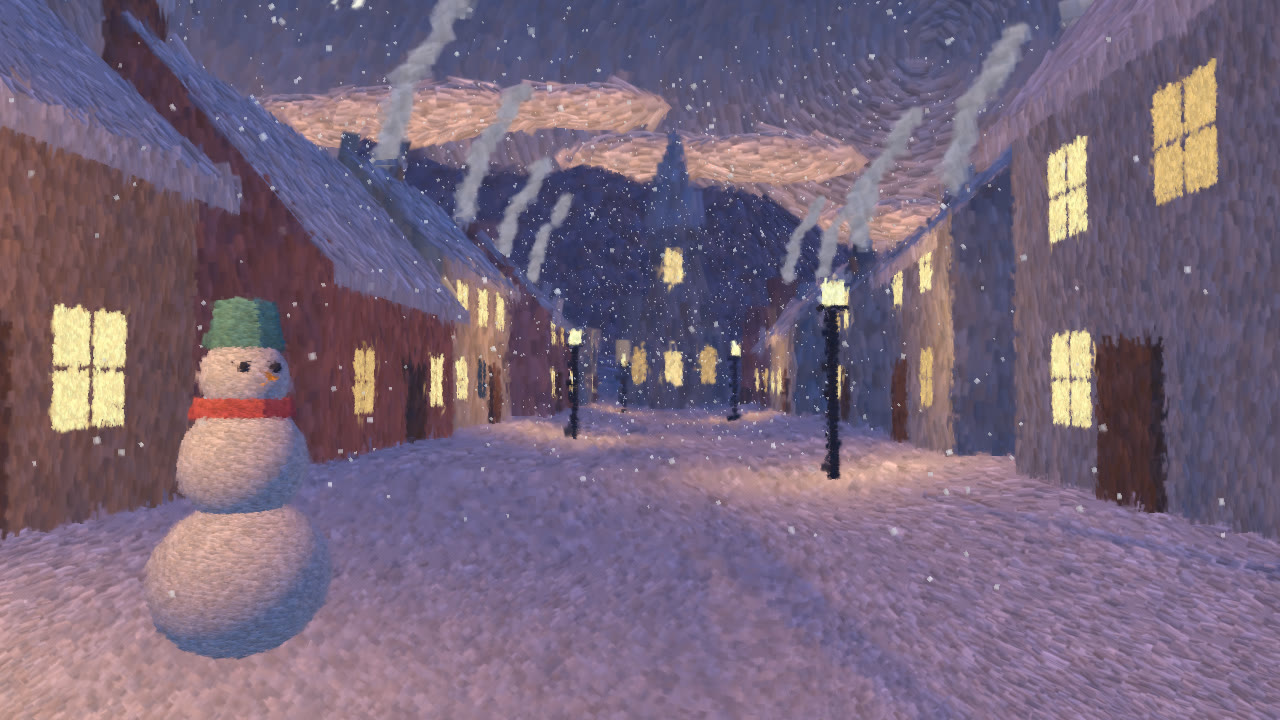
Have your agent repaint a live three.js scene as brush strokes that stay on their surfaces when the camera moves, then measure it and record it.
Science Simulation Lab
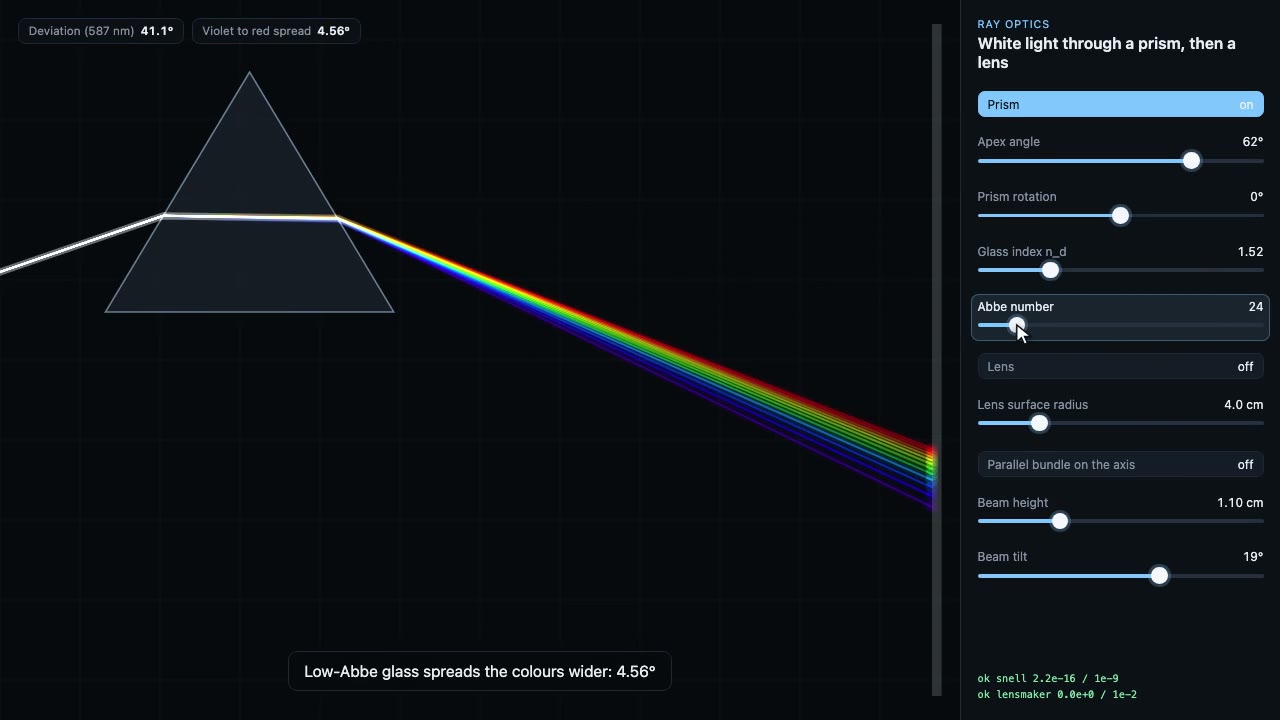
Build a live science sandbox with sliders, then record a scripted walk-through of it as a frame-exact MP4, with the physics checked on every frame.
Pixel-Art Sprite Film
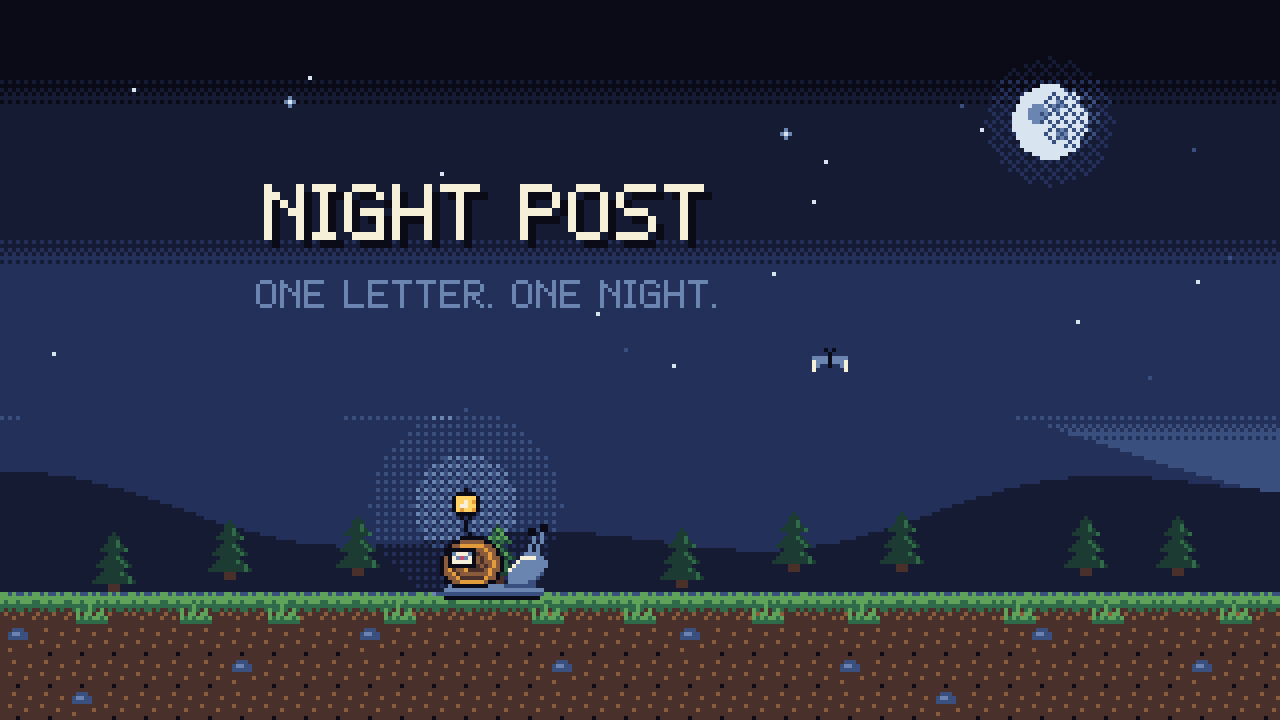
Have your agent make a 15 to 40 second pixel-art scene in code, with sprites, parallax and a chiptune score, rendered to an MP4 whose pixels stay crisp.

Code-Rendered 3D Animated Short
Have your agent write a tiny wordless story, build its characters and set in three.js, shoot it from a shot list, score it and render a frame-exact MP4.
Scroll-Scrubbed Film Site
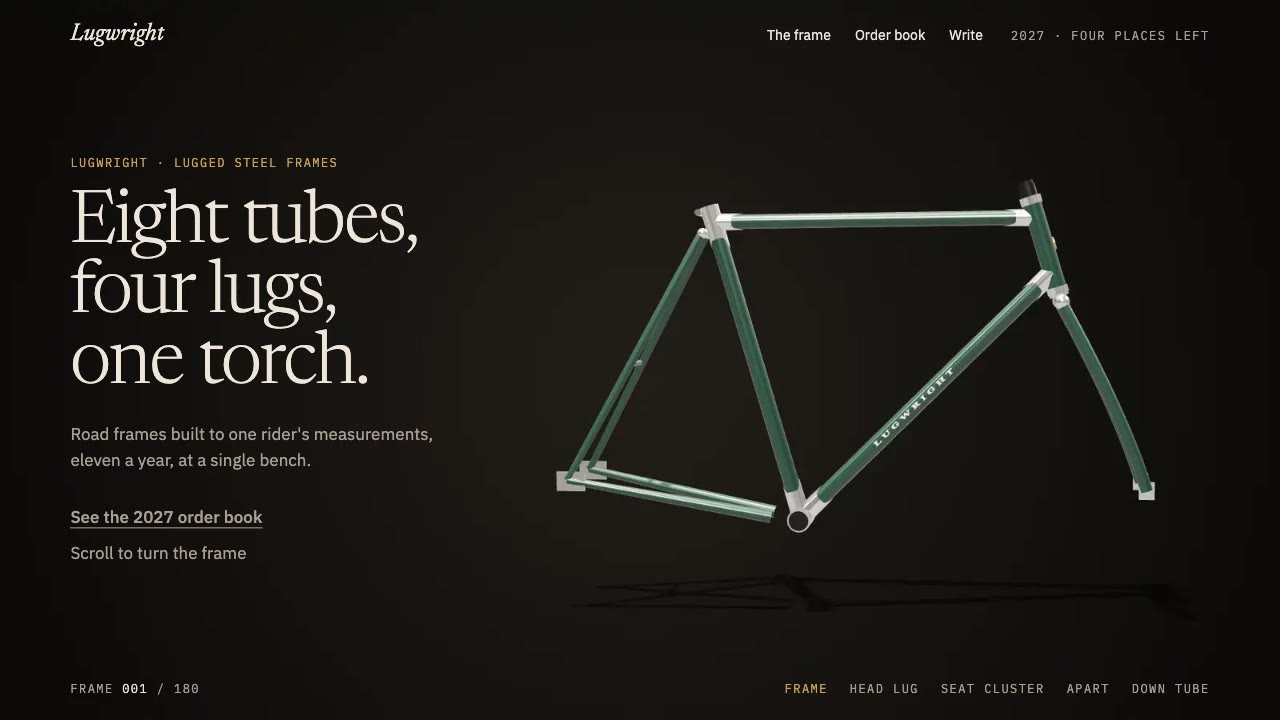
Have your agent build a landing page where scrolling plays a film frame by frame, with chapters, callouts and a preloader, then check it in Chrome.
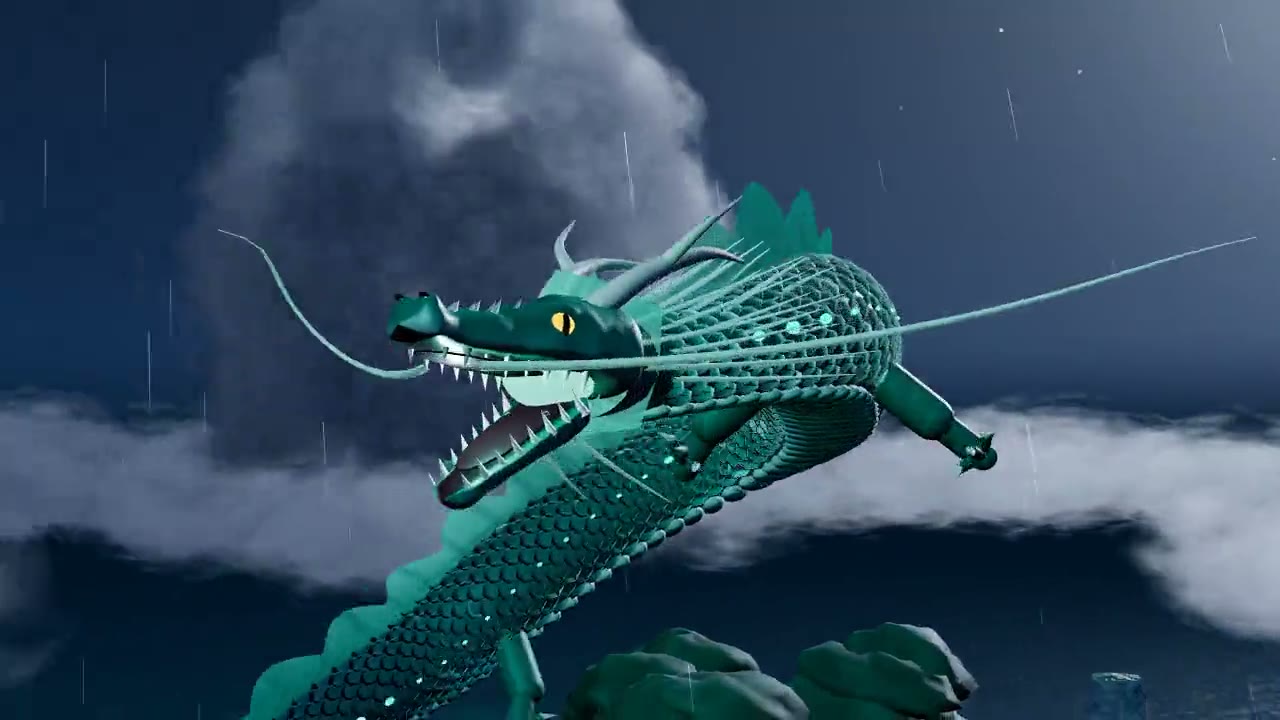
Procedural Dragon Film
Have your agent build a long-bodied creature in three.js from numbers alone, fly it through a storm-lit landscape and render a frame-exact film with sound.
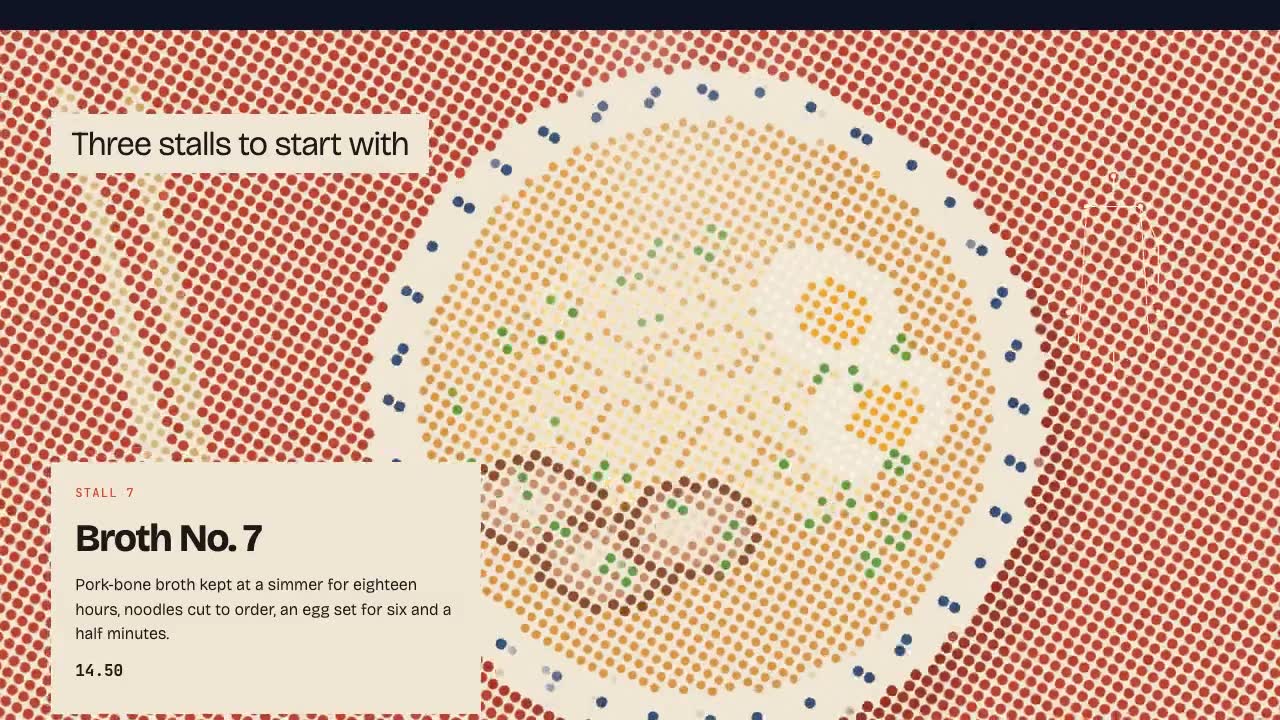
Shader Reveal Site
Have your agent build a page where the pointer or the scroll uncovers a second picture through a shader, then measure the trail, the GPU and every fallback in Chrome.
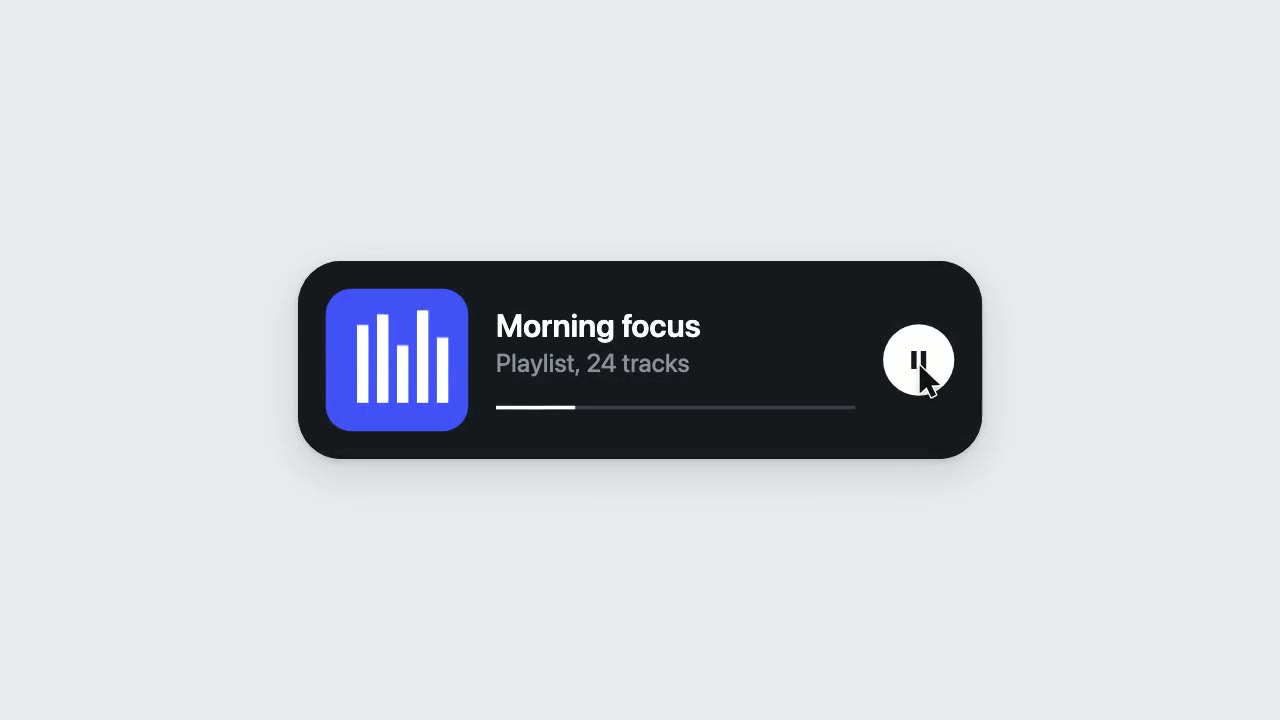
UI Morph Loop
Have your agent make a looping clip where one element turns into a button, toggle, slider, search field, notification and player, with a cursor that clicks and drags to cause each change.