
About this skill
Jolt Physics, by Jorrit Rouwe, is the rigid-body engine, and JoltPhysics.js is its WebAssembly build. This skill keeps the physics in one file with no clock and no randomness, so it runs in Node as well as the browser. A script runs the whole sim twice and compares fingerprints before you render anything. Then three.js draws each body, and Chrome hands the frames to ffmpeg. The example on this page is 2,920 bodies: twelve arms of growing dominoes bringing down a tower of loose cubes.
You say
Simulate a domino chain that grows as it spirals in and brings down a tower, with Jolt. Check it is repeatable, then render 12 seconds with the camera following the wave.
How it works
- Your agent asks first, then installs pinned packages into the project.
- It writes the layout as plain numbers, and the physics in one file with a fixed step, one thread and no randomness.
- It runs the whole sim twice in Node and compares fingerprints, in seconds and with no browser.
- It renders the bodies with three.js frame by frame, and you read stills of the wave and the impact.
Getting a good result
- Direct through the setup. If the chain stalls, change the layout rather than moving a body by hand.
- A domino can only topple one a little larger than itself: above about 1.03 times per domino, ours stopped.
- Pick the gravity for how it looks on screen. Real gravity made the wave crawl at this scale.
What you get
- A one-file physics setup that runs in Node and in the browser
- A script that checks the sim is repeatable before any render
- World limits that hold 2,920 touching bodies, including the one that aborted
- What made the chain carry: the push, the growth ratio, the gravity and the tower's shape
- The complete spiral-collapse example on this page
Good fit
- Dominoes, falling stacks, collapses and piles with hundreds or thousands of pieces
- Directors who want an accident that can be rendered again the same way
- Scenes where physics is the point of the shot
Not for
- Cloth, liquid or smoke. Jolt's bodies here are rigid
- A few objects moving to a plan: keyframes are quicker
- Promising the same result on every machine and build
How to install it
- Download the ZIP and unzip it.
- Move the folder holding
SKILL.mdinto your agent's skills folder, such as~/.claude/skills/for Claude Code. - Start a new session and ask for what you want to make.
Needs: An agent that reads skills, Node.js 22 or later, Google Chrome, ffmpeg.
FAQ
What does it cost?
$2.99 once for this skill, or $99 once for every skill in the library. It also comes with every paid AdAnt plan, from $15 a month. It runs on your own computer and uses no AdAnt credits. Jolt is free and is not in the ZIP.
Can I use it in commercial work?
Yes. You can use the skill and what it makes in your own commercial work, including for clients. You can't resell the skill.
What does setup download and run?
With your approval, npm installs jolt-physics 1.1.1, three 0.187.0 and playwright-core 1.65.0 into your project. Jolt's WebAssembly comes inside its npm package. Playwright's core package downloads no browser, and drives your installed Chrome on a small server bound to 127.0.0.1.
Can I use it commercially?
Jolt Physics, JoltPhysics.js and three are MIT, so commercial use is allowed if you keep the notices.
Is the simulation deterministic?
In a narrow sense. With one thread, a fixed step and the same creation order, the fingerprint of every body's position and velocity matched between two full runs in Node. The npm build isn't documented as deterministic across platforms, so don't promise the same result on another machine or version. Review the film you actually render.
How is this different from threejs-animation and exploded-3d-story?
Both place every object from time, with keyframes or a formula. Here only the camera is animated: every position comes from the physics, so you direct the setup, such as the push, the spacing and the gravity, not the motion. Use those skills when you want each object exactly where you put it.
What did AdAnt run, and what not?
We ran jolt-physics 1.1.1 with 2,920 bodies on one thread, in Node for the check and in headless Chrome for the clip, on an Apple M4. Nothing in the collapse is keyframed: the bodies move only from the first push and gravity, and the camera is the only animated thing. We did not test other platforms, multithreaded builds, soft bodies or vehicles.
Related skills

Three.js Postprocessing
Give a flat three.js shot HDR bloom, depth of field, tone mapping and a color grade, in the right order.

Blender Scenes through MCP
Have your agent build a Blender scene one step at a time, look at each result, and render the finished shot.

three.quarks VFX
Make trails, sparks, shockwaves and fireworks in three.js, on a seeded clock, so a frame renders the same again on the same machine.
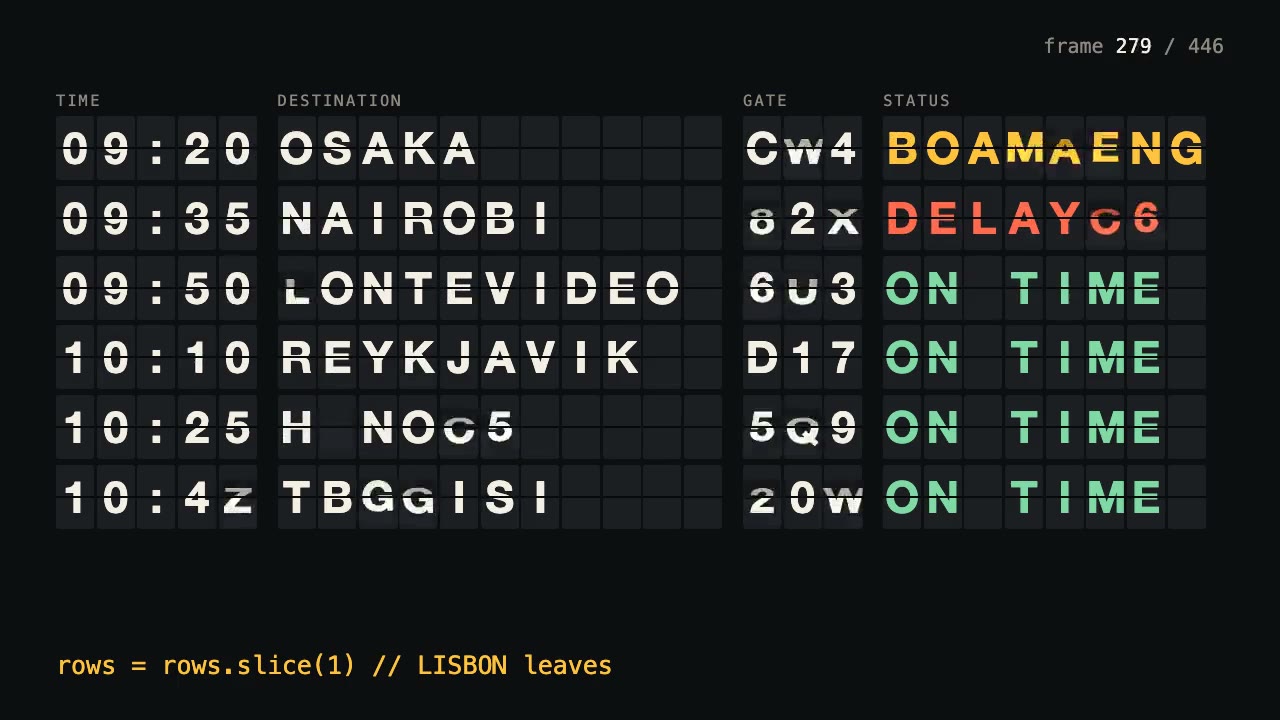
Remotion Video
Make video as React components, where every frame comes from the frame number, and render one template for any data.
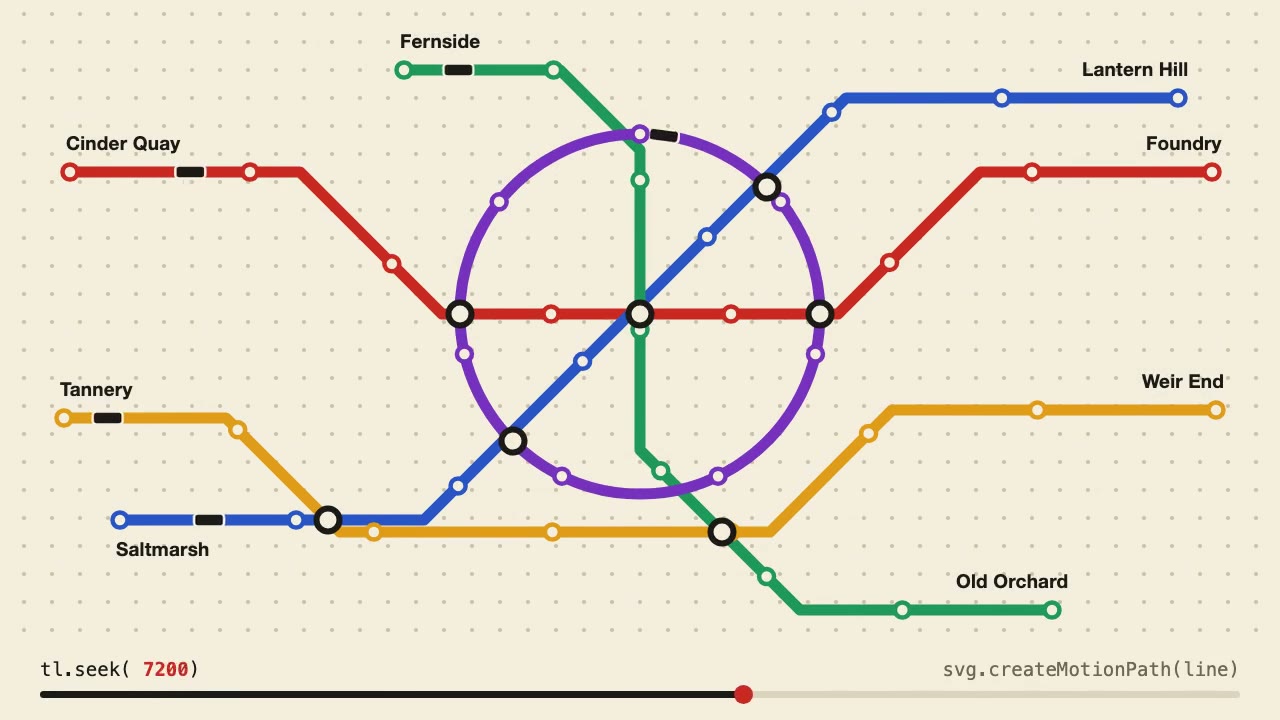
Anime.js Timelines
Choreograph grid staggers, self-drawing SVG lines and things that follow a path on one Anime.js timeline you can seek.
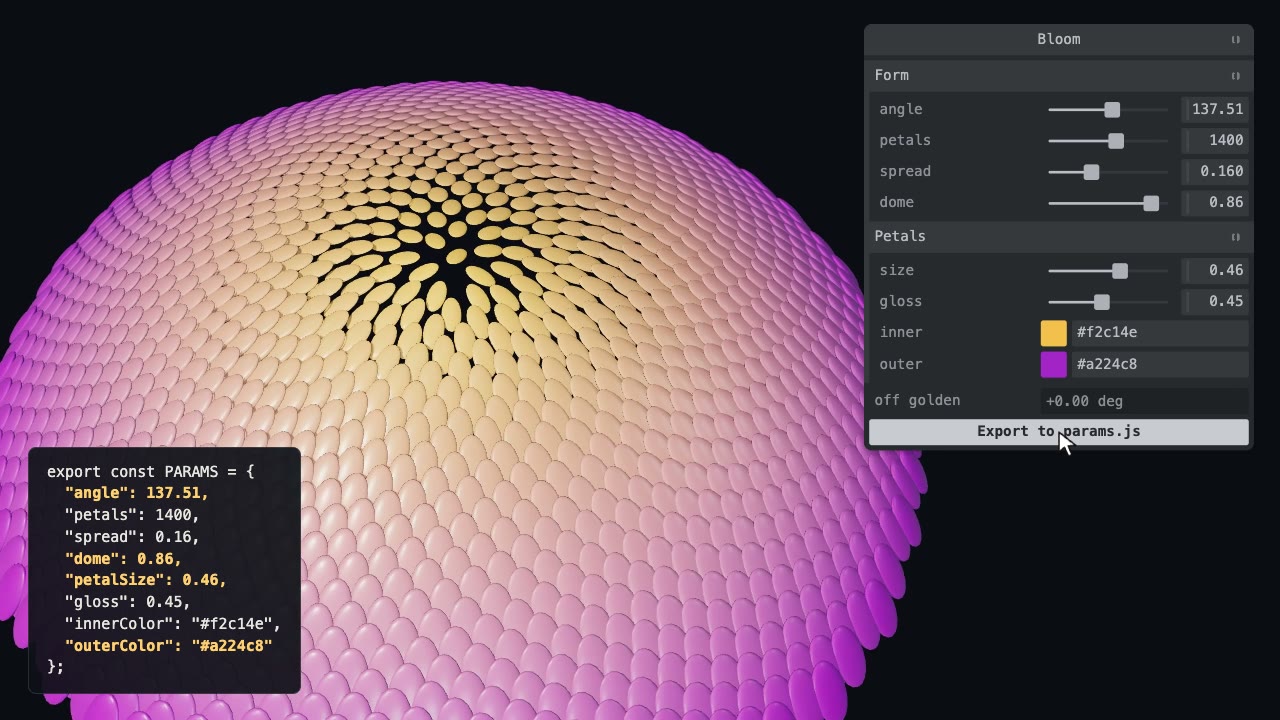
Tweakpane Live Tuning
Add a live panel to an animation so you can tune it by hand, then write the values you chose back to the code.

Three.js Path Tracing
Render a three.js scene with real path tracing, so glass, chrome and soft light come out physically right.
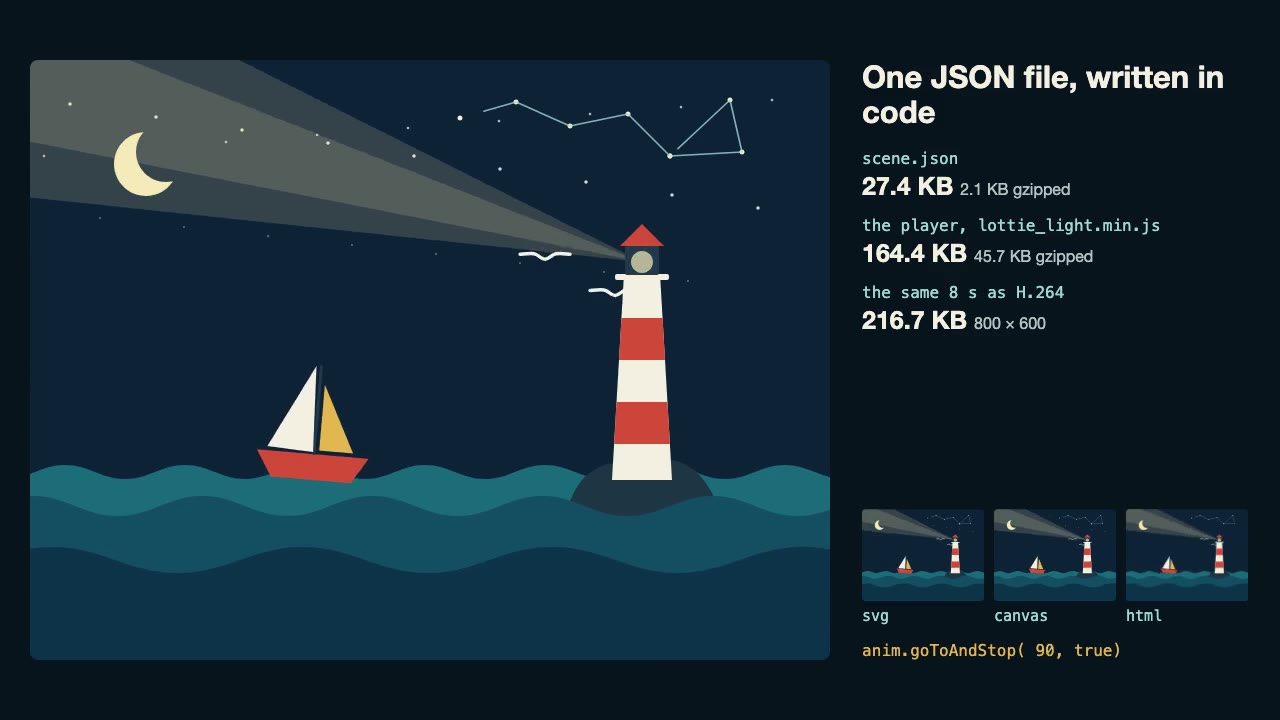
Lottie Animation
Write an original Lottie animation as JSON from a script, check that it's safe, and play it with lottie-web, with no After Effects.
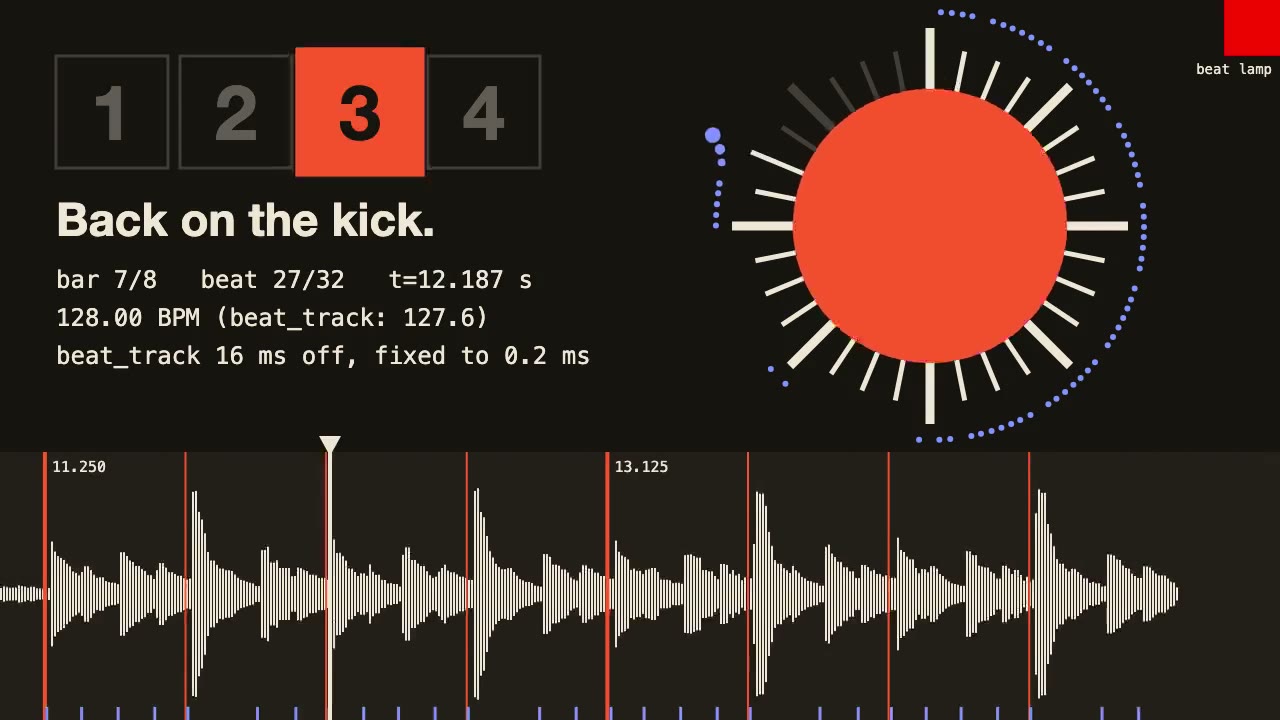
librosa Beat Sync
Measure a track's beats with librosa, drive an animation from the JSON it writes, and prove the sync by measuring the video.
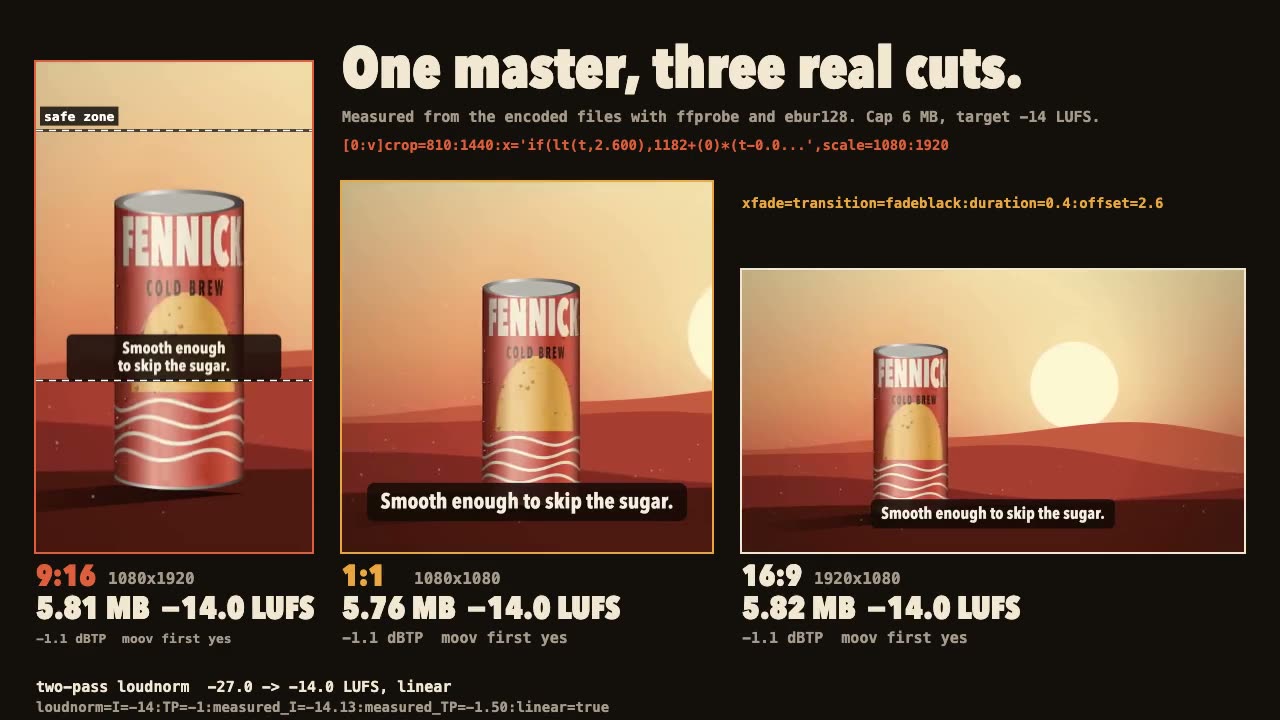
FFmpeg Finishing
Turn one master into 9:16, 1:1 and 16:9 files with safe-zone captions, measured loudness and a size cap.
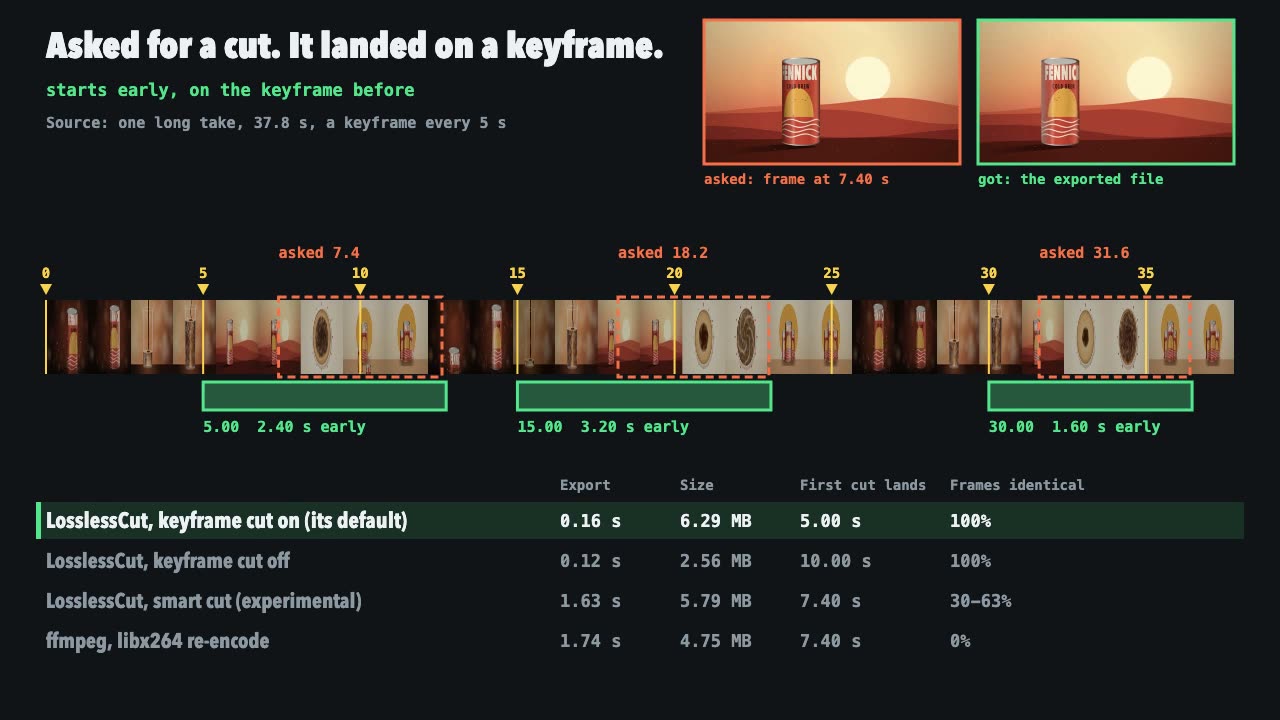
LosslessCut Trims
Cut long recordings fast without re-encoding, and measure where each cut really landed.
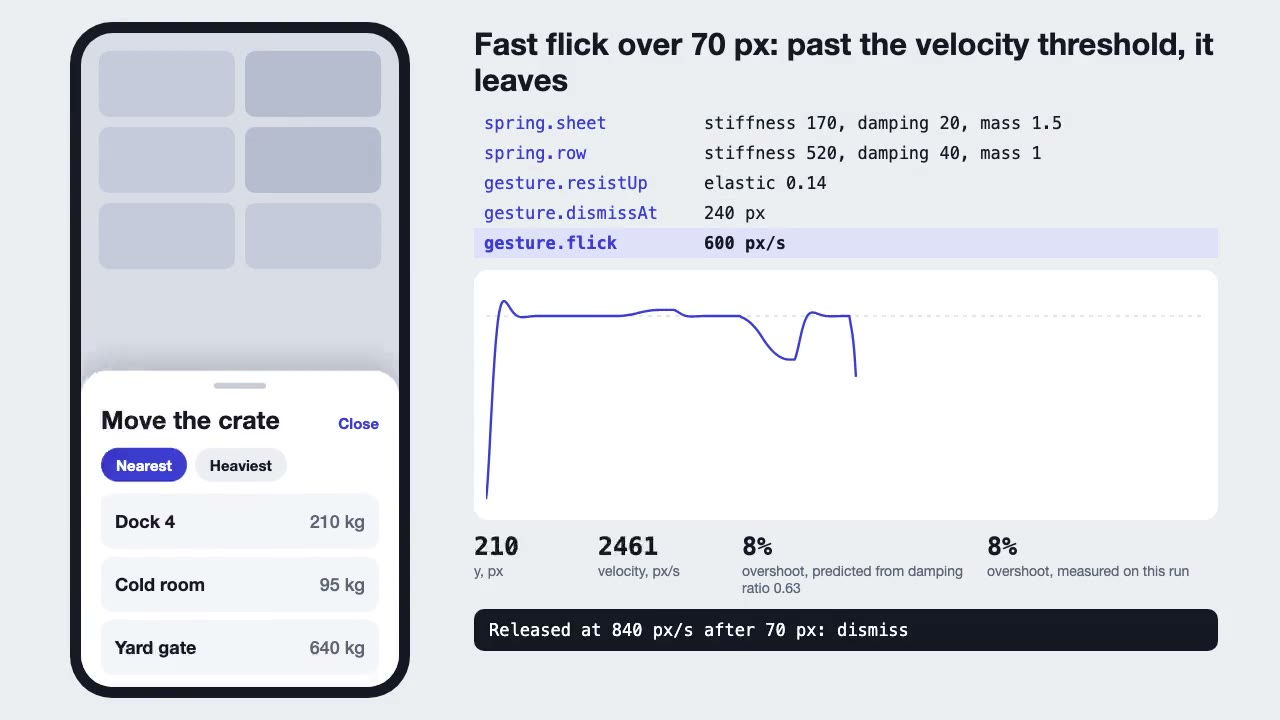
Motion UI Animation
Build UI animation with springs, layout transitions and gestures from one written motion language, with a linter that catches drift.